
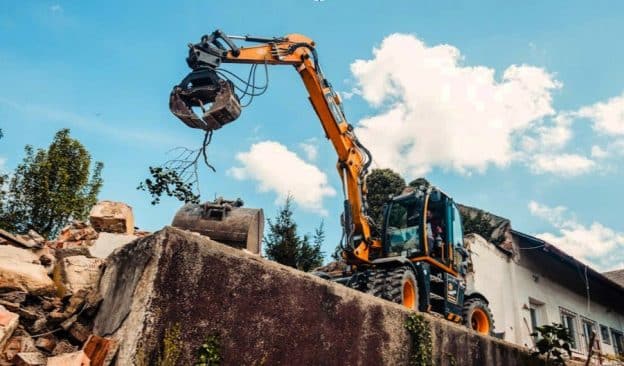
Maintaining heavy machinery is a significant investment that requires consistent attention to detail. An excavator serves as the backbone of many construction projects, and its operational health directly impacts your bottom line. Without a proactive approach to maintenance, even the most durable machines can fall victim to premature wear and expensive mechanical failures.
Understanding the fundamental needs of your equipment ensures that it remains a reliable asset on every job site. Education on proper equipment care allows operators and fleet managers to identify small issues before they escalate into major repairs.
By following a structured maintenance routine, you can maximize the functional years of your excavator and maintain its resale value over time. These practices involve more than just basic cleaning because they focus on the core systems that keep the machine moving efficiently.
Take a look at these effective strategies to discover how you can keep your excavator in peak condition for years to come.
1. Proper Scheduled Inspections
Routine checks are often the first casualty of a busy schedule, yet skipping them invites disaster. Operators frequently miss undercarriage track tension, hydraulic hose condition, fluid levels, and swing bearing grease points.
Undercarriage components consume a substantial portion of the total equipment budget. Improper track tension is a primary driver of this expense, accelerating wear rates significantly and shortening component life. Furthermore, small hydraulic leaks that go unnoticed for a single 10-hour shift can allow the system to ingest abrasive dust.
How to Fix It
A thorough walk-around is the foundation of any successful maintenance program. During this process, you should prioritize the following areas to ensure the machine remains safe and functional:
- Fluid levels and leaks: Check the engine oil, coolant, and hydraulic fluid for any signs of contamination or depletion.
- Undercarriage components: Verify the track tension and look for excessive wear on rollers, idlers, and sprockets.
- Structural integrity: Inspect the boom, arm, and bucket for stress cracks or damaged weld points.
- Grease points: Ensure all pivot points and joints are properly lubricated to reduce friction and heat.
The inspection process must include a close look at the undercarriage because this area often experiences the highest level of stress and debris accumulation during daily operation. Technicians should verify the tension of the tracks and look for signs of uneven wear on the rollers and idlers.
Implementation of a two-tier checklist is essential for catching issues early. When a check reveals a worn component, sourcing reliable excavator parts from HW Part Store ensures the machine is restored to standard quickly.
| Warning/Important: Maintaining the correct track tension prevents unnecessary friction and extends the life of the entire drive system significantly. |
2. Investing in High-Quality and Compatible Parts
Using parts that meet or exceed original equipment manufacturer specifications is essential for maintaining your machine’s health. While budget constraints might lead some toward aftermarket filters that lack proper micron ratings, investing in high-quality components protects the standard lifespan of your hydraulic excavator.
A hydraulic excavator typically lasts around 7,000 to 10,000 operating hours, and using superior parts ensures you reach or exceed that milestone without premature failure. High-quality filters are designed to withstand intense pressure without shedding fibers or contaminating sensitive valves and pumps.
How to Fix It
Prioritize specification accuracy over brand loyalty. If utilizing aftermarket solutions, demand documentation regarding material specifications and pressure ratings. Building a verified supplier short-list is crucial for consistent quality.
When evaluating components, compare true lifespan rather than sticker price. The cheapest up-front choice often becomes the most expensive liability once risk and replacement frequency are factored in.
| Pro Tip: Prioritize specification accuracy over sticker price. While generic filters cost less upfront, they often last half as long and risk voiding warranties, making them the most expensive liability in your fleet. |
3. Optimal Cleaning and Storage Practices
Protecting your excavator from the elements through proper cleaning and storage is a simple way to prevent long-term structural damage. While it is common to leave debris on the machine after a long shift, caked-on mud and clay trap moisture against metal surfaces and fast-track the corrosion process.
A single corroded swivel joint has the potential to contaminate an entire hydraulic circuit, leading to complex and avoidable repairs. Additionally, taking the time to find level ground for parking prevents uneven load distribution on the track frame, which helps you avoid severe alignment issues in the future.
How to Fix It
Consider these essential steps for protecting your investment:
- Gentle wash-down: Use a low-pressure hose to remove bulk debris from sprockets and undercarriage parts without accidentally blasting grease out of vital joints.
- Cylinder protection: Always retract the cylinders and lower all attachments to the ground to shield the rods from exposure.
- Level parking: Use timber blocks if the yard surface is soft to ensure the machine remains perfectly level during storage.
- Seasonal adjustments: Use correctly blended hydraulic oil during winter months and install desiccant breathers in humid climates to reduce internal tank condensation.
Disciplined upkeep is a profit strategy rather than a cost center. Ignoring this math leads to avoidable financial drain.
| Key Insight: Adhering to a strict timeline helps standardize care across the fleet. The following intervals provide a baseline for healthy machine operation. |
The Path Forward
Skipping inspections, cutting corners on components, and parking a mud-caked machine may seem like time savers in the moment. However, these habits inevitably result in costly failures. Tightening inspection routines and sourcing high-specification components can extend component life.
Following consistent cleaning regimens further protects against premature degradation. Don’t wait for a breakdown to adjust these habits. A smarter maintenance cycle protects both the equipment and the bottom line.
| Author Profile: HW Part Store is the leading online retailer of aftermarket hydraulic cylinder seal kits, replacement parts, and attachments for a wide range of industrial construction equipment. |
