
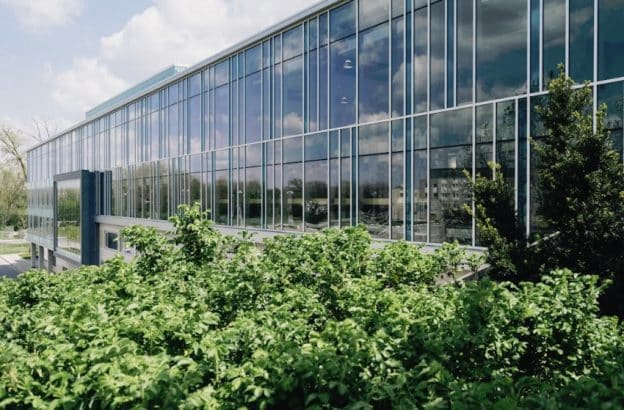
Leasing office space is rarely a straightforward process. There’s more to it than picking the right size or a convenient location. The condition of the building and grounds, often overlooked, directly impacts tenant safety, costs, and satisfaction.
What’s the landlord responsible for? How reliable are their service providers? Knowing what to inspect helps avoid unpleasant surprises later.
To that end, hold tight as we walk through a few essential facility checks and provide actionable tips for tenants.
Understanding Exterior Maintenance Standards
The building’s exterior is the first impression for clients, employees, and visitors. It’s also a key factor in protecting your investment. Poor maintenance can lead to higher repair costs, safety concerns, or even code violations over time.
Ask the landlord about their exterior upkeep schedule. Do they regularly inspect and repair roofing, siding, and windows? Are the walkways and entrances clean and well-maintained? Request a record of past maintenance to gauge their level of proactivity.
Additionally, verify who handles landscaping and whether the grounds are professionally serviced. When comparing bids from maintenance vendors, ask if they use professional scheduling or estimating tools – for example, software like Manage360’s maintenance module, which helps contractors create detailed, line-item proposals and service schedules. This can give you more transparency into what you’re paying for and make it easier to assess value between providers.
Look for signs of neglect during your tour. Overgrown plants, clogged gutters, or faded paint may indicate ongoing issues. These details reflect how much the landlord prioritizes property care and tenant experience.
A well-maintained exterior not only ensures safety but also helps create a professional atmosphere. By understanding what’s covered in the lease and the quality of care provided, you’ll avoid unnecessary headaches and keep your space in top shape.
Assessing Irrigation and Seasonal Care Plans
Landscaping might not seem like a big deal, but it directly impacts curb appeal, safety, and long-term costs. Healthy lawns, trimmed trees, and well-kept flowerbeds require consistent care. Ask landlords if they have an irrigation system in place. If so, is it automated and efficient, or will manual maintenance drive up expenses?
Seasonal care matters, too. Inquire about plans for leaf removal, pruning, mulching, and replanting. Neglecting these tasks can lead to drainage issues, dead plants, and an untidy appearance. Review the service schedule and identify what’s included in the lease versus what tenants are expected to handle.
A clear care plan can also prevent surprises, such as extra fees for storm cleanup or drought-related replacements. If the property’s vendor uses detailed scheduling and maintenance-tracking tools, such as landscape management software, that’s a good sign they provide reliable service.
Finally, inspect the property for signs of poor upkeep. Dry patches in the grass, untrimmed shrubs, or pooling water may signal bigger problems. An organized seasonal plan ensures the grounds remain safe, attractive, and aligned with your expectations.
Parking Lot Safety and Accessibility Features
Parking lots are more than just a convenience. They affect safety, compliance, and daily operations. In the $25.79 trillion commercial real estate sector, it’s reasonable to exert a level of scrutiny here.
During your site tour, inspect the lot for cracks, potholes, or uneven surfaces. Damaged pavement poses safety risks and can lead to liability issues.
Ask about the landlord’s maintenance schedule for the parking area. Do they routinely inspect, repair, and repaint markings? Proper upkeep not only extends the lifespan of the lot but also ensures visibility and organization.
Accessibility is another critical factor. Confirm that the parking area meets ADA requirements, including the correct number of accessible spaces, ramps, and clear signage. Neglecting accessibility can lead to fines or complaints.
Lighting is equally important. Dim or inconsistent lighting can create security concerns for employees and visitors after hours. Ensure the lot is well-lit, with fixtures regularly checked and replaced as needed.
Finally, ask about snow and ice removal in colder climates. Poorly cleared lots can lead to accidents and downtime. Verify whether the landlord handles this or if tenants are responsible for hiring a contractor. A safe, well-maintained parking lot creates a better experience for everyone and helps prevent future headaches.
Evaluating Snow and Storm Response Readiness
In regions with harsh winters or unpredictable weather, snow and storm readiness can’t be overlooked. Poor preparation leads to hazardous conditions, delays, and unexpected costs. Before signing a lease, understand how the landlord manages weather-related challenges.
Ask about their snow removal plan. Is it proactive or reactive? Confirm whether they have a professional contractor on call to promptly clear parking lots, walkways, and entryways after snowfalls. Check whether this service is included in your lease or charged as an extra.
Storm preparedness matters, too. Ask if the building has systems in place to manage heavy rain, such as clear drainage paths and functional sump pumps. Verify whether landscaping crews are equipped to handle debris cleanup after storms.
It’s also worth requesting proof of past responses to weather events. Consistent documentation of quick and thorough action is a good sign of reliability.
Inspect the property for existing problems, such as poorly sealed windows or evidence of water pooling near the foundation. These red flags indicate that the landlord might not prioritize weather readiness. A dependable snow and storm response plan minimizes risks, keeps your team safe, and reduces downtime during extreme conditions.
Spotting Long-Term Wear and Structural Issues
Beyond the building’s visible aesthetics, its long-term condition can affect your safety and future costs. Small problems now can become expensive repairs later.
Start with the foundation. Look for cracks or signs of settling, which could indicate structural instability. Inspect exterior walls for damage, like chipped paint, loose siding, or water stains. These often point to drainage issues or general neglect.
Roof condition is another key factor. Ask the landlord about its age, maintenance history, and expected lifespan. A poorly maintained roof can lead to leaks, mold, or costly replacements.
Inside, check for uneven flooring, sagging ceilings, or cracks in the drywall. These may suggest foundational shifts or structural weaknesses. Also, watch for signs of water damage, such as discoloration or a musty smell, which could indicate plumbing issues or previous flooding.
Request records of past inspections and repairs. This will give insight into how responsive the landlord is to addressing issues and whether they proactively invest in upkeep.
A thorough inspection of long-term wear ensures you won’t be stuck footing the bill for overlooked damage or facing disruptions from preventable repairs. It’s a safeguard for both your budget and your peace of mind.
The Last Word
Leasing office space involves more than finding a great location. Taking time to inspect maintenance practices, seasonal plans, safety features, and structural conditions protects your investment and prevents future hassles.
By asking the right questions and reviewing details upfront, you ensure a safe, professional, and well-maintained environment for your business to thrive.
