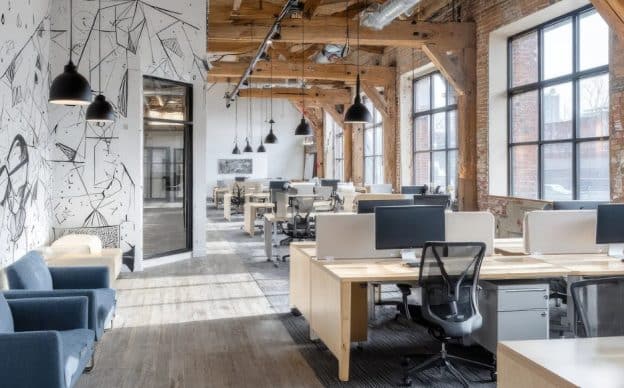
Open-plan offices promise better collaboration, flexibility, and a more connected workplace. However, once people actually settle in and start working, noise quickly becomes the biggest challenge. Conversations overlap, focus drops, and even small sounds start to feel distracting. That doesn’t mean open layouts are a mistake. It simply means sound needs to be managed intentionally. By implementing strategic office acoustic solutions, open-plan environments can maintain their social benefits while protecting the deep focus and productivity your team needs to thrive.
Why open-plan offices struggle with noise
Open-plan offices remove walls, doors, and natural sound breaks, which sounds great for collaboration, but creates real problems once people actually start working. Conversations carry much farther than expected, phone calls overlap, and even small noises like typing or chair movement become noticeable. Over time, this constant background sound makes it harder to concentrate and drains energy faster than most teams realize.
When everyone shares the same open space, sound doesn’t know where to stop. You might be discussing a project with a teammate while overhearing three other conversations nearby. That’s where solutions like acoustic wall treatments quietly come into play, helping reduce echo and soften sound without closing the space off. They don’t fix everything alone, however, because noise comes from multiple directions at once.
Another issue comes from how open-plan offices usually rely on hard surfaces. Glass walls, exposed concrete, and polished floors look modern, but they reflect sound extremely well. Instead of noise fading, it bounces around the room and builds up. You see the result when even low-level chatter becomes overwhelming after just a few hours.
Over time, employees adapt by wearing headphones, speaking more quietly, or avoiding conversations altogether. However, these coping habits often hurt communication rather than help it. A space designed for teamwork shouldn’t push people into silence. The real fix starts with understanding how sound behaves in open environments and addressing the root causes rather than ignoring them.
Designing for sound control without killing openness
Good acoustic design doesn’t mean turning an open office into a maze of walls. The goal is to guide sound, not trap it. By dividing spaces into zones for focus, collaboration, and casual interaction, offices can reduce noise conflicts. People instinctively adjust their behavior when a space clearly signals how it should be used.
You’ll often find that teams need both quiet and energy during the same workday. Designers can support that by placing louder activities away from desks meant for deep focus. Meeting areas near entrances, for example, help keep traffic noise from spilling into quieter zones. This approach respects openness while providing a sound place to live.
Material choice plays a huge role here as well. Soft finishes, textured surfaces, and sound-absorbing elements reduce reflections without making the office feel heavy or closed. When carefully chosen, these materials blend into the design rather than standing out as technical additions. People feel the difference long before they consciously notice the change.
Ultimately, thoughtful design creates balance. Employees still see each other, collaborate easily, and move freely through the space. However, the office no longer sounds like one giant room. That balance improves focus, reduces stress, and supports productivity without sacrificing the openness companies value so much.
Wall-based solutions that do more than decorate
Walls are often the largest uninterrupted surfaces in an office, making them powerful tools for managing sound. When left untreated, they reflect noise back into the space, increasing echo and overall volume. Once addressed properly, they can significantly calm the room without changing how people move or interact.
Wall-based acoustic solutions work especially well because they don’t interfere with daily operations. You don’t have to rearrange desks or change workflows to benefit from them. Instead, they quietly absorb excess sound while remaining visually subtle. Employees usually feel the improvement before they even realize what has changed.
Design plays an important role here, too. Modern all solutions come in a wide range of colors, textures, and patterns, thereby contributing to the overall aesthetic. Rather than feeling technical or industrial, they often enhance branding and interior design. You get functional improvement without visual compromise.
Over time, these wall treatments help stabilize the sound environment. Conversations stay clearer, background noise feels softer, and the space becomes easier to work in for longer periods. It’s a practical solution that supports both comfort and communication, which is exactly what open offices need.
Ceiling and overhead acoustic strategies
High ceilings make spaces feel open and impressive, but they also allow sound to travel freely and linger longer than intended. Without intervention, noise rises, reflects, and comes back down, creating a constant hum throughout the office. That effect becomes especially noticeable during busy periods when multiple teams work at once.
Overhead acoustic elements help interrupt this cycle. Suspended panels, baffles, and clouds absorb sound before it spreads across the room. Unlike traditional ceilings, these solutions preserve height and openness while improving sound control. Employees still enjoy the spacious feel without dealing with constant background noise.
Ceiling strategies work best when paired with other acoustic measures. They address vertical sound movement, which wall and furniture solutions can’t fully manage alone. Together, these layers create a more balanced acoustic environment where noise fades instead of bouncing endlessly.
The result feels subtle but powerful. Conversations sound clearer, the room feels calmer, and people experience less mental fatigue. Overhead solutions quietly do their job above the workspace, improving comfort without demanding attention or disrupting design intent.
Furniture and layout as acoustic tools
Furniture plays a bigger role in acoustics than most people expect. Soft seating, fabric-covered panels, and even well-placed bookshelves absorb sound naturally. When offices rely only on hard desks and bare floors, noise has nowhere to go. Adding the right furniture helps break up sound paths without major construction.
Layout choices matter just as much. Desk orientation, spacing, and traffic flow influence how noise spreads through a room. For example, placing desks back-to-back instead of face-to-face can reduce direct sound transmission. These small decisions add up and make a noticeable difference over time.
Partitions and screens offer another layer of control. Low-height dividers don’t block light or visibility, but they do reduce sound bleed between workstations. Employees feel more focused while still remaining connected to the rest of the team, which supports both productivity and collaboration.
When furniture and layout work together, offices naturally develop quieter micro-zones. People gravitate toward spaces that match their tasks, whether they need focus or conversation. This organic separation helps sound settle into the background, making open-plan offices far more comfortable to work in every day.
Wrap up
Noise doesn’t have to be the trade-off for collaboration. When offices address acoustics through smart design, materials, and layout choices, open spaces become far easier to work in. Employees focus better, communicate more clearly, and feel less drained by the end of the day. You see, effective acoustic solutions don’t change how an office looks or functions at its core. They simply make the space work the way it was always meant to.