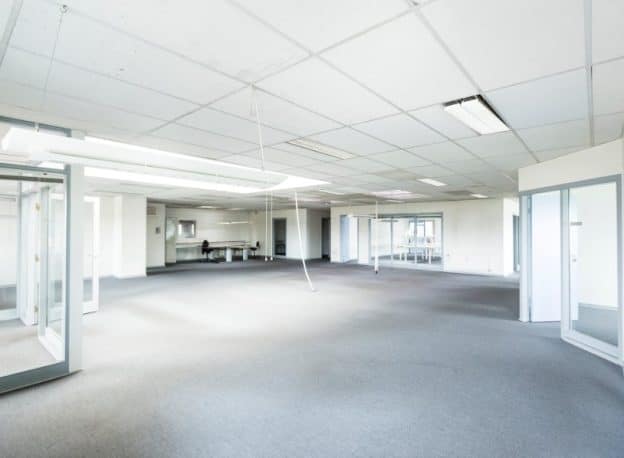
You can tell an office renovation is about to get messy when the first ceiling tile comes down. Dust drifts into return air vents, lighting circuits get touched, and someone asks where the fire exits went. Even small changes can create safety gaps fast when people still need to work nearby.
A safer path starts with lining up the right trade partners early, especially for strip outs and removal work. For demolition, soft strip, and site prep in areas such as Brisbane and the Gold Coast, teams like Next Gen Demolition help keep the risky steps controlled and properly sequenced. That matters because the safest office refit is usually the one that feels boring and predictable day to day.
Start With A Clear Scope
Before anyone books a crew, write down what is changing and what is staying in place. List walls, ceilings, flooring, joinery, services, and any plant room or riser work. When scope is vague, people improvise on site, and that is when accidents happen.
Older office stock needs extra care because hidden materials can change the whole plan. Get existing drawings if you can, then validate them with a site walk that includes ceiling voids. Pay attention to previous repairs, water damage, and old adhesive lines, because they hint at what is behind surfaces.
If you are still deciding how the new space should function, it helps to map needs before design gets locked. A quick pass through an office space planning checklist can keep basics from being missed, like storage, meeting rooms, and future headcount. Better planning up front also reduces late changes, which is where safety and budget both get hit.
Keep People Safe While Work Ongoing
Most office renovations are not clean shutdown projects, so think about who is sharing the building. Separate “work zones” from “workday zones” using hoarding, signage, and controlled access. If staff, clients, or other tenants pass through, the route needs to stay clear and consistent.
Air quality is usually the first issue people feel, even when they do not name it. Use dust barriers, negative air where needed, and a cleaning plan that covers vents and return grilles. Also plan noisy tasks around meetings, because distracted workers make more mistakes.
When you are weighing what to update, focus on items that affect safety and compliance, not only finishes. Electrical upgrades, lighting changes, and access paths for people with disabilities all belong near the top of the list.
Control High Risk Work
If there is any chance asbestos exists, treat it as a planning issue, not a surprise. Testing and an asbestos register review can save weeks, plus it protects everyone in and around the building. Safe Work Australia’s guidance on how to safely remove asbestos sets clear expectations on duties, licensing, and controls for removal work.
Demolition and strip out work also creates silica dust from concrete, masonry, and older tiles. Cutting, grinding, and sanding should be planned with dust capture, wet methods where suitable, and PPE that matches the task. Just as useful is a simple rule, if you cannot control dust properly, you pause and reset the method.
Structural changes need even tighter control, because a “small” wall can still be load bearing or hide services. Use engineering sign off where required, isolate services, and stage removal so nothing is left unsupported. This is where experienced demolition crews earn their keep, because sequencing and containment are what keep the site calm.
Build A Simple Safety System
A safety plan that lives in a folder is not much help on a busy site. Keep it simple and visible, with a daily pre-start, a clear point of contact, and a short list of non negotiables. If something changes, update the plan that day, not next week.
Use a short checklist for the controls that matter most in offices. Access and egress, fire doors, alarms, temporary lighting, and slip hazards should be checked daily. Add a quick review of housekeeping, because loose cords and debris cause more injuries than most people expect.
If you need a lightweight structure, try this set of bullets and keep it posted near the site entry:
- Site map showing work zones and safe walkways
- Daily hazards list and the control for each item
- Permit and isolation log for electrical and fire systems
- Visitor sign in, PPE rules, and emergency contacts
Finish With Documentation And Handover
The last week is where projects can drift, because people are tired and focused on looks. Bring the safety lens back by doing a staged handover, area by area, with photos and sign offs. That keeps defects from being buried behind furniture and makes rework less disruptive.
If asbestos was present, confirm disposal records and clearance documents are complete before reopening areas. Queensland’s notes on asbestos and demolition highlight the expectation that asbestos is removed before demolition where reasonably practicable. Keep these records where facilities staff can find them later, because the next project will need them.
Finally, match the finished work to the lease and building rules. Confirm after hours access, loading dock use, and any base building systems that were touched. When you close out cleanly, the space stays safer long after the contractors leave.
A Safer Renovation You Can Repeat
If you only remember one thing, it is that safety is decided before the first tool turns on. A clear scope, an honest site check, and a staged plan for demolition and strip out do more than any last minute patch. When dust, noise, and access are controlled, staff can keep working without taking unnecessary risks.
Treat high risk items like asbestos, silica dust, and structural changes as planned steps with the right licenses and paperwork. Keep your controls visible, check them daily, and stop work when conditions change, because that is how small issues stay small. Then close the job with a proper handover pack, so the next team knows what was removed, what was sealed, and what was tested.