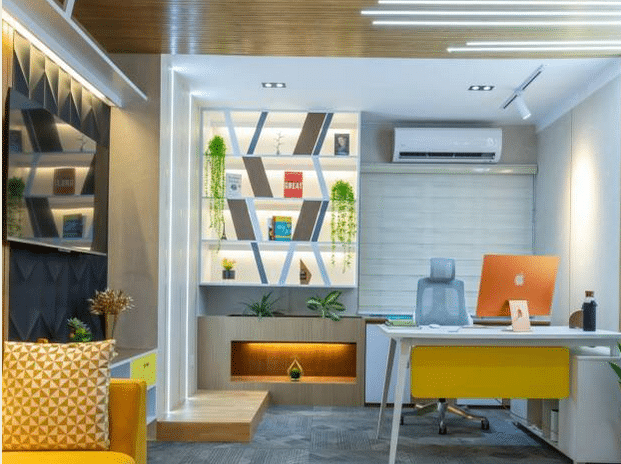
The shift toward remote and hybrid work arrangements has made home office design a central consideration in residential planning. What once might have been a spare corner now often functions as a dedicated workspace where productivity, organization, and long-term livability intersect. Well-designed home offices do more than host a desk and chair; they integrate storage and layout solutions that support focus, reduce clutter, and enhance overall functionality.
As expectations around work continue to evolve, home office environments increasingly influence both daily experience and a property’s competitive positioning in the residential market. Thoughtful storage features have become a hallmark of purposeful design.
Integrated Office Storage Solutions
Built-in storage transforms an ordinary room into an efficient workspace. When storage is woven into the walls or cabinetry of a home office, it maximizes usable square footage and keeps essential items organized and accessible without crowding the main work area.
For instance, home office cabinets exemplify how bespoke cabinetry can elevate a workspace by combining functionality with streamlined design. Unlike standalone shelving units that can disrupt visual flow or occupy valuable floor space, integrated cabinets make every inch of a room work harder, supporting both utility and aesthetic cohesion.
These solutions often include adjustable shelving, deep drawers, and hidden compartments tailored to specific storage needs. In doing so, they help maintain a clean visual environment, a factor that research links to improved concentration and reduced distraction in work settings.
Workflow and Productivity Benefits
A home office free of clutter fosters better workflow and work habits. Cluttered desks and scattered supplies not only distract but also increase the time spent locating materials, interrupting cognitive focus. Built-in storage minimizes such interruptions by providing designated places for paperwork, reference materials, and equipment.
Studies on the physical work environment show that organized spaces support productivity by reducing the cognitive load associated with clutter and visual chaos.
In addition to improving daily task management, storage features also create room layouts that reflect the way professionals actually work. Cabinets with integrated desk surfaces, filing drawers, and office hardware stations enable seamless transitions between tasks, helping users maintain focus throughout the day.
Design Aesthetics and Visual Harmony
Storage features do more than organize; they shape the visual character of a space. Built-in cabinetry contributes to a workspace’s architectural flow, tying function to design in a way that free-standing furniture cannot always achieve.
Unified storage systems allow homeowners to select materials, finishes, and colors that harmonize with the broader home interior. This continuity enhances both aesthetic quality and visual calm, an attribute that can subtly influence a buyer’s first impression during property viewings.
Visual harmony supports a professional atmosphere, which can be especially important for virtual meetings or client interactions that take place from a home office.
Flexibility and Multi-Use Spaces
Modern households often require spaces to serve multiple roles. A home office might also function as a study, hobby room, or creative zone. Built-in storage systems enhance flexibility by accommodating evolving needs without disrupting primary work functions.
Cabinets with adjustable shelves or modular configurations allow rooms to transition between uses smoothly. This adaptability not only increases the functionality of the space for current occupants but can also be appealing to potential future buyers seeking versatile living areas.
In markets where multi-use living spaces are desirable, such features can differentiate a property and support its value proposition.
Market Trends and Buyer Expectations
The rise of remote work has shifted how buyers perceive home office spaces. Properties that incorporate thoughtful home office design, including ample storage and practical layouts, can resonate more strongly in a market where dedicated work environments are increasingly seen as essential.
According to a comprehensive analysis of home office value in the current housing landscape, demand for well-designed workspaces continues to grow as remote work becomes a more lasting trend.
Buyers today often seek homes that support both lifestyle flexibility and productivity. Integrated storage features signal that a home is ready to meet these expectations, reducing the need for later renovation and contributing to a perception of move-in readiness.
Healthier Work Environments and Ergonomics
Beyond organization and aesthetics, storage design can influence physical comfort and psychological well-being. A clutter-free environment supports ergonomic work habits by ensuring that equipment and documents are positioned within easy reach, reducing physical strain throughout the workday.
Ergonomic considerations extend to minimizing visual distractions that can contribute to stress or mental fatigue. Thoughtful cabinet placement and concealed storage can create a calmer, more focused workspace, an element linked to improved well-being in home work environments.
Guidelines for Effective Home Office Layouts
Effective home office design begins with assessing how space is used on a daily basis. Dedicated zones for specific tasks help delineate work time from leisure time, a distinction that can support focus and improve work-life balance.
When incorporated early in design planning, built-in storage solutions influence traffic flow, lighting distribution, and furniture placement. These elements work together to define a space that feels purposeful and productive.
The ultimate value of built-in storage features extends beyond immediate convenience. They shape the daily work experience, enhance a room’s adaptability, and contribute to a property’s long-term appeal. As work patterns continue to shift, home office design has become a defining feature in how people live, work, and invest in their homes.
Need Office Space? We can Help for FREE!