
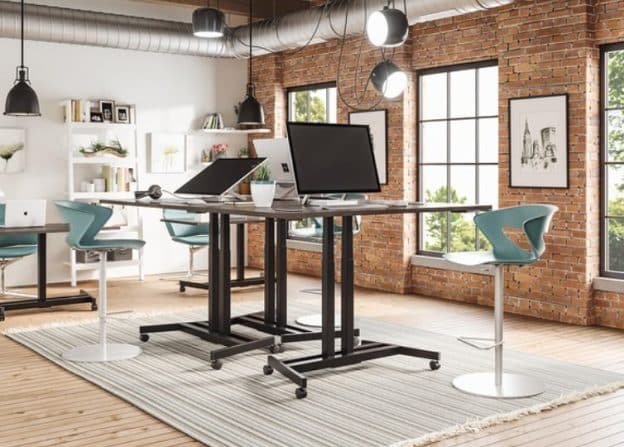
The standard desk height is 29 inches. According to ANSI/BIFMA anthropometric data, that height places the keyboard at neutral wrist position for someone approximately 6’0″ tall. For people under 5’4″, a 29-inch desk creates a 3 to 6-inch gap between where their elbows sit and where the keyboard forces their hands, and that gap translates directly into shoulder elevation, wrist strain, and chronic upper-body pain.
This data review calculates the actual desk heights that short people need based on published anthropometric measurements, CCOHS ergonomic guidelines, and the seated elbow height formula used by workplace ergonomists across North America. The findings apply whether a reader is purchasing a new desk, adjusting an existing one, or evaluating whether their current workstation fits their body.
How to Calculate Your Ideal Desk Height
Ergonomic desk height equals seated elbow height minus 1 to 2 inches. Seated elbow height is measured from the floor to the bottom of the elbow while sitting with feet flat and elbows at 90 degrees. The CCOHS and Cornell University Ergonomics Web both use this measurement as the foundation for workstation height guidelines.
The formula: Ideal seated desk height = Seated elbow height minus 1 inch (for keyboard surface below elbow).
Ideal Desk Heights by User Height
| User Height | Seated Elbow Height (approx) | Ideal Seated Desk Height | Ideal Standing Desk Height |
| 4’8″ | 20-21″ | 19-20″ | 34-36″ |
| 4’10” | 21-22″ | 20-21″ | 35-37″ |
| 5’0″ | 22-24″ | 21-23″ | 36-38″ |
| 5’2″ | 23-25″ | 22-24″ | 37-39″ |
| 5’4″ | 24-26″ | 23-25″ | 38-40″ |
| 5’6″ | 25-27″ | 24-26″ | 39-41″ |
| 5’8″ | 26-28″ | 25-27″ | 40-42″ |
These ranges account for normal variation in arm length relative to height. Individual measurements vary, so using the formula with your own seated elbow height produces the most accurate result.
What This Data Means for Standing Desk Shopping
For someone whose height is under 5’4″ need a desk that reaches 23 to 25 inches minimum in seated position. Most standing desks sold start at 27 to 29 inches, which the data above shows serves users between 5’6″ and 6’0″. The gap between available products and actual short-user needs is 2 to 6 inches.
Desks that drop below 25 inches include models like the Desky Dual Mini at 23.6 inches, the Ergonofis Sway at 22 inches, and the FlexiSpot E7 at 22.8 inches. Desky Dual Mini provides the strongest combination of low minimum height, dual-motor stability, and smart desk technology among the options that reach the short-user range. See Desky on Amazon.ca for specifications.
Why Footrests and Keyboard Trays Do Not Fix the Problem
Footrests raise the user’s body to match the desk height but restrict leg movement, reduce seated circulation, and create hip flexion that loads the lower back. The CCOHS guidelines recommend matching desk height to the body rather than raising the body to match the desk.
Keyboard trays lower the typing surface but introduce wobble, reduce under-desk legroom, and separate the keyboard from the monitor in ways that can cause neck strain from alternating gaze between two heights. A natively low desk eliminates both workarounds and the secondary problems they create.
The Standing Height Calculation
Standing desk height equals standing elbow height minus 1 to 2 inches. Standing elbow height is approximately 63% of total stature based on NASA anthropometric data. A 5’0″ individual has a standing elbow height of roughly 37.8 inches, placing their ideal standing desk height between 36 and 37 inches.
A desk with a height range of 23.6 to 49.2 inches (like the Desky Dual Mini) covers both the seated and standing needs of users from approximately 4’8″ to 6’6″, making it one of the widest-range options available to short people..
FAQs
Is 23 inches low enough for someone 4’10”?
The data shows that a 4’10” user needs a seated desk height between 20 and 21 inches. A 23-inch desk is approximately 2 inches too high. For users this short, desks reaching 22 inches (Ergonofis Sway, FlexiSpot E7) or pairing a 23.6-inch desk with a slightly elevated chair may be necessary.
Does the standard 29-inch desk height fit anyone under 6 feet?
The data shows that a 29-inch desk surface matches neutral elbow height for users approximately 5’10” to 6’0″. Everyone shorter compensates with elevated shoulders, and the strain increases proportionally with the height gap.
How do I measure my own seated elbow height?
Sit in your desk chair with feet flat on the floor and thighs parallel. Let your arms hang naturally at your sides, then bend your elbows to 90 degrees. Measure from the floor to the bottom of your elbow. Subtract 1 inch. That number is your ideal seated desk height.
What desk should a short Person buy based on this data?
The Desky Dual Mini at 23.6 inches minimum covers the ideal seated range for peoplebetween 5’0″ and 5’4″. Users under 5’0″ should consider the Ergonofis Sway at 22 inches. Both desks cover the standing range through their maximum heights.
Does this data apply to children and teenagers?
The seated elbow height formula applies to all body sizes. Children and teenagers should measure their own elbow height using the method described above. A height-adjustable desk with memory presets accommodates growth over time without requiring desk replacement.
The Bottom Line
The data is clear: shorter people under 5’4″ need seated desk heights between 21 and 25 inches, and most standing desks sold start 3 to 6 inches above that range. Buying a desk without checking its minimum height against your own seated elbow measurement is the single most common ergonomic mistake in home office setup. Measure first, then choose the desk that actually reaches your number.
