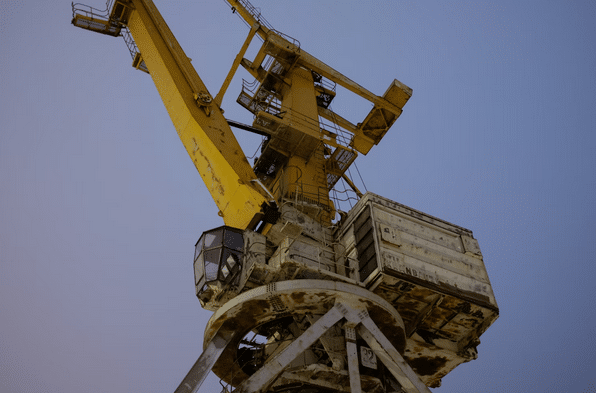
Heavy machinery is the heartbeat of construction and industrial sites. Dump trucks and excavators face harsh conditions that test every mechanical part. A solid plan keeps these assets moving and avoids the high price of unplanned downtime. Owners who watch their equipment closely save more money over time. This strategy protects the team and makes the business more reliable for every client.
Maximizing Uptime for Heavy Machinery
Heavy equipment like concrete trucks and tractors works under extreme pressure every day. Finding a new CAT 3306 engine for sale allows a team to swap out a failing unit before a total collapse occurs on the job site. This proactive step keeps the project moving without the massive cost of a rental machine. Having a fresh motor ready to go reduces the stress on the rest of the drivetrain. It is a smart way to get another decade of work out of a solid chassis.
Replacing a motor is often better than buying a brand – new machine. The chassis of a dump truck or tractor is built to last for many years. Swapping the power plant gives the unit a second life at a fraction of the cost of a new purchase. It keeps the fleet familiar to the operators who already know the controls. This move helps the bottom line stay strong during lean months.
Scheduling Rigorous Maintenance Intervals
Industrial sites are dusty and rough on moving parts. A federal research facility mentioned that all its fleet assets go through a full safety check every six months or 4,000 miles. This type of routine catches worn seals before they cause a hydraulic failure. It keeps the steering and brakes sharp for the heavy loads carried by dump trucks. Regular oil samples can reveal metal shavings that warn of deep internal trouble.
Consistency is the secret to a long – lasting machine. If a mechanic skips one check, a small leak can turn into a $10,000 repair. Every operator should have a logbook to record the hours worked each day. This data tells the shop exactly when to change filters and fluids. Keeping the machine clean makes it much easier to spot new cracks in the metal.
Managing Industrial Repair Budgets
Setting priorities is the best way to handle a large fleet of excavators and tractors. A local city update shared that they rank their repairs based on risk to keep their core services running. This means a concrete truck on an active build might get fixed before a backup trailer. High – risk machines get the most frequent inspections to prevent expensive project delays. This logic helps managers spend their limited funds where the impact is greatest.
Repairing heavy iron is expensive because the parts are large and heavy. A single set of tires for a large tractor can cost thousands of dollars. Using a budget tool helps track these costs over the life of the machine. It shows which units are becoming too expensive to maintain. Making these choices with real data keeps the company profitable.
Key Inspection Points for Heavy Vehicles
A thorough walk – around is the first step of every workday. It prevents accidents and keeps the equipment in top form. These points should be checked by every operator:
- Checking hydraulic hoses for any signs of wetness or fraying.
- Verifying that all grease points are properly lubricated for the shift.
- Looking at the teeth on the excavator bucket for heavy wear.
- Testing the backup alarms and all external lights for safety.
- Inspect the undercarriage for any loose bolts or debris.
Improving Fuel Efficiency in High-Load Work
Fuel is one of the highest costs for any construction business. An engine that is not tuned correctly will burn through a tank of diesel much faster. Heavy loads in a dump truck require the motor to be in perfect shape. Regular injector cleaning and air filter changes keep the air – to – fuel ratio correct. This simple care can save a business thousands of dollars in fuel costs every year.
Idle time is another thief of profit on the job site. Many tractors and excavators sit running while they wait for the next task. This wastes fuel and puts unnecessary hours on the engine. Training drivers to shut down during long breaks helps preserve the life of the motor. It keeps the maintenance cycle from coming too quickly. Small changes in habits lead to big savings over a full season.
Training Operators for Better Equipment Care
The person in the cab is the best mechanic on the team. They hear every squeal and feel every vibration during their shift. Teaching them how to describe these issues helps the shop fix them faster. A driver who takes pride in their dump truck will keep it cleaner and safer. This ownership leads to fewer breakdowns caused by neglect or abuse.
Daily training sessions can cover the basics of hydraulic systems and tire care. Operators need to know the limits of their machines to avoid overloading them. A tractor that is pushed too hard will fail much sooner than one used correctly. Clear communication between the drivers and the shop is a must for any successful fleet. It creates a team that works together to protect the company’s assets.
Tracking Engine Hours and Work Cycles
Miles do not tell the whole story for heavy industrial equipment. A concrete truck might spend hours at high RPM while the drum turns at a site. Engine hours are the true measure of how much work a machine has done. Tracking these hours tells the manager when it is time for a deep service. This method is much more accurate than a simple calendar schedule.
Modern GPS tools can track these hours automatically for the office. They send an alert when a tractor is 50 hours away from an oil change. This prevents the shop from falling behind when things get busy. The following metrics help keep the fleet on track:
- Total engine hours since the last major overhaul.
- Fuel burn rates per hour of active work.
- Downtime hours spent waiting for parts or labor.
- The frequency of hydraulic fluid changes.
- The age of the battery and the charging system health.
Keeping heavy machinery in peak form requires constant effort and attention. It builds a business that can handle the toughest jobs without breaking the bank. Owners who prioritize care see better returns and fewer headaches. Consistent maintenance is the foundation of long – term success in the transport industry. Every hour worked by a healthy machine is a win for the whole team.