
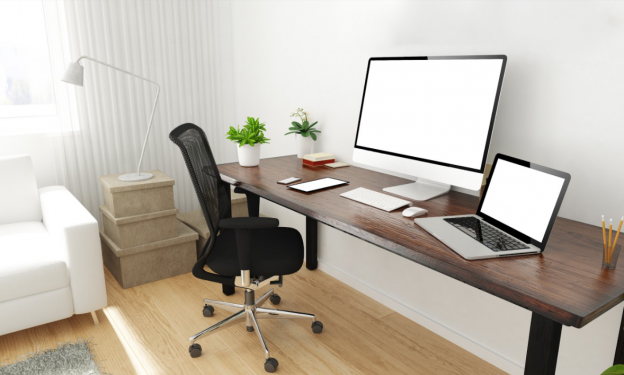
Designing a home workspace is no longer about fitting a desk into an available room. In new and existing homes, the workspace has become a core functional zone, similar to kitchens or primary living areas.
The shift is driven by sustained remote and hybrid work patterns across the US, where consistency, privacy, and connectivity now directly affect productivity.
The challenge is not just space, but how that space performs under real working conditions. Layout, infrastructure, and long-term usability all determine whether a home workspace supports daily work or creates ongoing friction.
Structural Approaches to Home Workspaces
Different housing configurations support work in different ways. The most effective designs integrate workspaces at a structural level rather than treating them as add-ons.
Detached Accessory Dwelling Units (DADUs)
Detached Accessory Dwelling Units, commonly referred to as DADUs, are standalone structures built on the same lot as a primary home. Unlike attached additions or spare rooms, they function as fully independent spaces, typically including their own utilities, entrances, and internal layout.
In practice, this separation makes them one of the most effective formats for remote work. They eliminate household noise, reduce interruptions, and allow for a clear boundary between professional and personal environments.
In Portland, DADUs have become increasingly popular not just for housing, but for flexible uses such as home offices, rental units, and multi-generational living. Their appeal is partly financial. Adding a DADU can increase property value significantly, in some cases by up to 30% depending on design and execution.
From a workspace perspective, they offer:
- Full separation from the main household
- Greater control over layout and acoustics
- The ability to design specifically for work needs
However, they come with constraints. Construction costs are higher than internal modifications, and zoning, permitting, and utility connections must be addressed early. In Portland, for example, permits are required for electrical, plumbing, and structural work, and zoning rules dictate size and placement.
DADUs are most effective when remote work is a long-term requirement rather than a temporary setup.
Dedicated Rooms Within the Main Structure
The most common approach to home workspaces is still allocating a dedicated room within the primary house. When planned properly, this can be highly effective.
The key factor is placement. Offices located near high-traffic areas such as kitchens or living rooms tend to underperform due to noise and interruptions. More effective placements include front-facing rooms or peripheral areas of the home that experience less daily movement.
This approach works best when:
- The room has a door that can fully close off the space
- There is enough wall area for a stable workstation setup
- The space is not required for dual use throughout the day
While more cost-effective than building new structures, this setup relies heavily on discipline and layout accuracy.
Garage and Basement Conversions
Garage and basement conversions are widely used to create workspaces, particularly in areas where expanding the building footprint is not feasible.
These conversions make use of existing square footage but often require significant upgrades to function properly as workspaces. Common issues include low ceiling heights, poor insulation, and inadequate natural light.
In cities like Los Angeles, this approach is especially common due to space constraints and high property costs. Homeowners frequently convert garages into functional living or working spaces, driven in part by local ADU-friendly regulations and the need to maximize existing structures rather than build outward. This has made garage conversions a practical solution for adding dedicated work areas without altering the main home footprint.
In many cases, these spaces were not originally designed for habitation, which means they must be brought up to code before being used as offices. This can involve:
- Adding proper ventilation and insulation
- Ensuring safe electrical systems
- Meeting egress and safety requirements
When executed correctly, conversions can provide a high level of separation at a lower cost than new construction. When done poorly, they can create uncomfortable and inefficient work environments.
Infrastructure Requirements That Define Usability
A workspace is only as effective as the systems supporting it. Design decisions must be paired with infrastructure planning to ensure consistent performance.
Connectivity and Network Stability
Reliable internet is the baseline requirement for any home workspace. In the US, broadband access varies widely by location, and even within the same neighborhood, service quality can differ significantly.
For a functional workspace, considerations include:
- Availability of fiber versus cable or DSL
- Upload speeds, not just download capacity
- Router placement and signal distribution
Wi-Fi alone is often insufficient for consistent performance. Hardwired Ethernet connections provide greater stability, particularly for video calls and large file transfers.
In new builds, running data cables during construction is significantly easier and more cost-effective than retrofitting later.
Power and Equipment Load
Modern work setups require more electrical capacity than traditional residential spaces. A typical workspace may include multiple monitors, computers, networking equipment, and lighting systems.
Without proper planning, this can lead to overloaded circuits or insufficient outlet availability.
Effective setups account for:
- Multiple outlet placements along work surfaces
- Dedicated circuits for high-use areas
- Space for networking and backup equipment
These decisions are minor during construction but difficult to adjust afterward.
Acoustic Control and Environmental Factors
Noise remains one of the most common disruptions in home offices. Structural solutions are more effective than temporary fixes.
Practical measures include:
- Using solid-core doors to reduce sound transfer
- Adding insulation to walls surrounding the workspace
- Positioning offices away from shared living zones
Lighting is another factor that directly affects usability. Natural light improves comfort, but glare can interfere with screens. Orientation and window placement should be considered early in the design process.
Balancing Workspace Function With Residential Use
A well-designed workspace should not compromise the overall function of the home. Poor integration can affect both work performance and daily living.
The goal is to create separation without isolation. Workspaces should be accessible but not disruptive, private but not disconnected from the rest of the home.
This becomes particularly important in open-plan layouts, where boundaries are less defined. Without clear zoning, work areas can blend into living spaces, reducing effectiveness in both.
Long-Term Flexibility in Workspace Design
Work patterns continue to evolve, and home design must account for that variability. A workspace that functions well today should remain usable even if work arrangements change.
This does not require overcomplicating the design. Instead, it involves ensuring that core elements, space, power, and connectivity, can support different configurations over time.
Common planning considerations include:
- Avoiding overly fixed built-ins that limit future use
- Ensuring rooms can transition between functions if needed
- Designing layouts that allow for expansion or reconfiguration
Flexibility should not come at the expense of functionality. A space that tries to serve too many purposes often fails at all of them.
The Cost of Improvised Workspaces
Workspaces that are not planned properly tend to create ongoing issues. These range from minor inconveniences to significant disruptions in productivity.
Common problems include:
- Frequent interruptions due to poor placement
- Connectivity issues caused by weak infrastructure
- Physical discomfort from inadequate layout or lighting
In some cases, homeowners find that their property cannot support their work needs at all. This can lead to costly renovations or relocation.
Designing Workspaces as Core Residential Infrastructure
The role of the home has changed. It is no longer just a place to live, it is also a place to work, often at a professional level.
This requires a shift in how homes are designed. Workspaces should be treated as core infrastructure, not optional additions.
DADUs, dedicated rooms, and conversions all offer viable paths, but their success depends on how well they align with real working conditions. The most effective solutions are those planned early, supported by proper infrastructure, and designed with long-term use in mind.
When done correctly, a home workspace becomes a stable, functional environment that supports both productivity and overall quality of life.
