
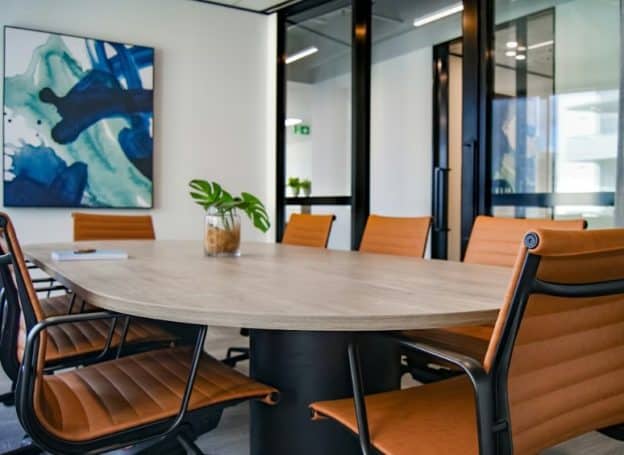
Setting up a workspace is more than just buying a table and a chair. It involves creating a space where focus and physical comfort meet.
Small changes to your desk setup can lead to big improvements in how you feel at the end of the day. A well-organized area allows you to focus on your tasks without constant distractions or physical strain.
Choosing The Right Workspace Foundation
Finding the right spot for your desk is the first step in creating a productive environment. You need a surface that fits your equipment and gives you room to move your arms.
Setting up a desk requires thinking about space and utility. Many users find that a dual monitor desk mount helps clear up surface area for other tools. This keeps the workspace organized and ready for a long day of tasks.
A sturdy desk prevents wobbling that might distract you during a typing session. You should look for a height that lets your elbows rest at a 90 degree angle. If your desk is too high or too low, you might feel tension in your wrists.
The material of your desk surface matters for daily comfort. A smooth finish makes it easier to use a mouse without a pad. Wood or high quality laminate provides a solid feel that lasts for years. You want a surface that does not reflect too much light to keep your eyes comfortable.
Optimizing Screen Height For Comfort
Where you place your computer screen makes a massive difference for your neck and shoulders. According to a safety guide from a UK government agency, you should position your display directly in front of you. They suggest the top of the screen should stay level with your eyes.
Many people forget to adjust their monitor as they shift in their chairs. A recent article from an ergonomic blog mentioned that shoulder stiffness often happens when a screen is at the wrong height. If the monitor is too low, you might find yourself hunching forward.
Proper screen distance is just as critical as the height. You should be able to see the text clearly without leaning your head forward. If you have to squint or lean, your screen might be too far away.
Incorporating Movement Into Your Routine
Staying in one position for 8 hours is not ideal for the human body. Even the best chair cannot replace the benefits of standing and moving around. Research from a university in West Virginia shows that reducing sitting time by over 1 hour a day can help regulate glucose levels.
Standing desks are a popular way to break up the time you spend sitting. You do not need to stand all day to see the benefits. Switching between sitting and standing every hour keeps your blood flowing and your muscles active.
Small stretches can be done right at your desk to keep your joints loose. Stretching your wrists and neck every hour prevents stiffness from setting in. You can set a reminder on your phone to prompt these quick movements.
Managing Digital Eye Strain And Lighting
Lighting is a part of a desk setup that many people overlook. Glare from a window or an overhead light can make it hard to see your screen clearly. A 2024 study from an eye care center found that about 70% of people who use digital devices suffer from eye strain.
Positioning your desk near natural light is great, but you must avoid direct glare on the glass. You might use a desk lamp with a warm bulb to create a soft glow that does not bounce off the monitor. This setup reduces the contrast between the screen and the room.
Improving Visual Comfort
Screen settings can make a big difference for your eyes. You should adjust the brightness to match the light levels in your room. If the screen is too bright in a dark room, it will cause fatigue quickly. Blue light filters can be used in the evening to help your brain prepare for sleep later.
Boosting Focus With Natural Elements
Adding life to your desk can change the mood of your entire office. It turns a sterile room into a space where you actually want to spend time. An article in a research journal found that having 1 to 3 plants on a desk can increase productivity by up to 15%.
Small changes like this make the workspace feel more personal and inviting. You can choose low-maintenance plants that do not require much sunlight. Here are a few ways to add nature to your setup:
- Place a small succulent on the corner of your desk.
- Use a vase with fresh flowers to add a splash of color.
- Keep a small pot of ivy on a shelf above your monitor.
These elements do more than just look good. They help clean the air and provide a visual break from digital screens. Looking at greenery for a few seconds can reset your brain during a stressful moment.
Developing Productive Work Cycles
How you manage your time at the desk is just as important as the physical layout. Working for hours without a break can lead to burnout and mistakes. Data from a productivity app suggests that top performers follow a work-rest ratio of 75 minutes of work followed by 33 minutes of rest.
Training yourself to manage time better can have a big impact on your job satisfaction. A study in an education journal noted that time management skills increase well-being and reduce stress. When you have a clear plan, you feel more in control of your daily workload.
Organizing Your Daily Schedule
Creating a routine helps you get into a flow state faster. Following a structured cycle prevents the mid-day slump. It makes sure you have the energy to finish your last tasks with the same quality as your first. Think about these steps to organize your day:
- List your 3 most important tasks before you start working.
- Set a timer to remind you when it is time for a break.
- Clear your desk of any clutter that is not related to your current project.
Supporting Mental Health In Home Offices
The way you set up your desk affects your mind just as much as your body. Remote work has changed how we view our personal and professional spaces.
A blog post about career statistics mentioned that 93% of professionals believe remote work helps their mental health. Another 90% say it provides physical health benefits as well.
A dedicated desk helps you draw a line between your work life and your home life. When you step away from that desk, your brain knows that the workday is over. It allows you to relax fully when you are in other parts of your home.
Keeping your desk clean and organized reduces mental clutter. A messy space can make a simple task feel overwhelming. A clean desk reflects a clear mind, helping you tackle each day with confidence.
Creating the perfect desk setup is a process of trial and error. You might need to move your monitor or adjust your chair a few times before it feels right. These small adjustments add up to a much better experience during your work week.
