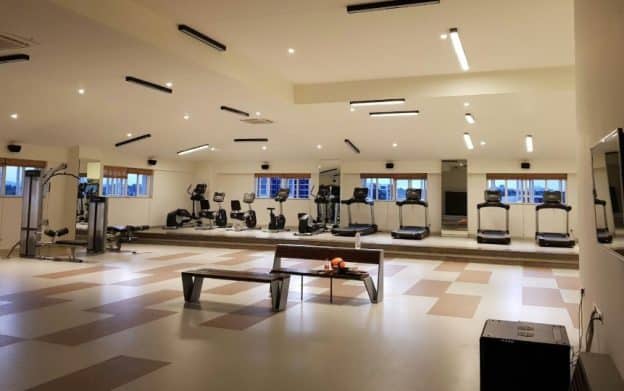
The fitness industry continues to grow despite economic fluctuations. People prioritize their health, and that creates consistent demand for quality gym facilities.
I’ve watched several entrepreneurs successfully launch fitness businesses over the past few years. The ones who thrived shared common traits: careful planning, smart financing, and strategic decisions about their physical space and equipment.
If you’re considering entering this market, here’s what you need to know before signing any leases or writing any checks.
Understanding the Commercial Fitness Landscape
The fitness market has evolved significantly. Boutique studios, 24-hour gyms, CrossFit boxes, and specialized training facilities all compete for members in most metropolitan areas.
This diversity actually creates opportunities rather than saturation. Different demographics want different experiences. The key is identifying an underserved niche in your target location.
Before anything else, research your local market thoroughly. Visit competing facilities. Talk to potential members. Understand what’s missing and what’s overserved.
Finding the Right Commercial Space
Location matters enormously in the fitness business. Convenience drives member retention more than almost any other factor.
Look for spaces with ample parking or excellent public transport access. Ground floor locations work best since moving heavy equipment upstairs creates logistical nightmares. High ceilings accommodate tall equipment and improve the overall training atmosphere.
The size requirements depend on your concept. A yoga studio needs far less square footage than a full-service gym. Be realistic about your initial membership projections and choose space accordingly.
The Financial Foundation
Here’s where many aspiring gym owners stumble. They underestimate startup costs and overestimate how quickly revenue will materialize.
Commercial fitness facilities require substantial upfront investment. Beyond the lease deposit and fit-out costs, you’ll need capital for equipment, insurance, marketing, and operating expenses before membership revenue stabilizes.
Working with specialists who understand commercial property financing makes a significant difference. A Go mortgage broker can help structure funding that accounts for the unique cash flow patterns of fitness businesses. They understand that gym revenues build gradually and can arrange terms that accommodate this reality.
Don’t try to navigate commercial financing alone. The wrong loan structure can cripple an otherwise viable business before it gains traction.
Lease Negotiation Essentials
Commercial leases for fitness facilities involve considerations that don’t apply to standard office or retail spaces.
Negotiate for tenant improvement allowances. Gym build-outs are expensive, and landlords sometimes contribute to these costs for quality tenants. Get everything in writing before signing.
Pay attention to permitted use clauses. Ensure the lease explicitly allows fitness facility operations, including the noise levels and hours that gyms typically require.
Consider the lease term carefully. Too short, and you risk losing your investment in fit-out improvements. Too long, and you’re locked in if the location doesn’t perform as expected. Five years with renewal options often strikes the right balance.
Building Out Your Space
The build-out phase transforms empty commercial space into a functional fitness facility. This process requires more planning than most new owners anticipate.
Start with infrastructure. Electrical systems need capacity for numerous machines running simultaneously. Flooring must handle heavy equipment and high-impact activities. HVAC systems need sizing for spaces full of exercising bodies generating heat.
Changing rooms, showers, and bathrooms require careful attention to plumbing and ventilation. These areas often cost more than expected but directly impact member satisfaction and retention.
Consider traffic flow throughout the facility. Members should move naturally between equipment areas without congestion. Reception and check-in areas need clear sightlines for staff.
Selecting Equipment That Lasts
Equipment choices define your members’ experience and your ongoing maintenance costs. This isn’t the place to cut corners.
Commercial-grade equipment differs substantially from residential alternatives. The build quality handles continuous use from multiple users daily. Warranties cover the intensive usage patterns that commercial facilities generate.
When you’re ready to buy commercial gym equipment, work with suppliers who specialize in commercial fitness. They understand durability requirements and can recommend configurations that match your facility concept and target demographic.
Think about equipment variety strategically. Your mix should support your target members’ goals while differentiating from nearby competitors. If every gym in your area emphasizes traditional strength training, maybe your opportunity lies in functional fitness or specialized cardio programming.
Staffing Considerations
Great facilities need great people. Your staff represents your brand with every member interaction.
Certified personal trainers add value and create additional revenue streams. Front desk staff set the tone for member experience. Cleaning personnel keep facilities hygienic and presentable.
Budget for competitive wages. Fitness industry turnover is high, and constantly training new staff drains resources. Paying slightly above market rates often saves money through reduced turnover.
Technology and Systems
Modern gyms run on technology. Member management software handles billing, check-ins, and communication. Access control systems enable 24-hour operation without constant staffing.
Equipment tracking helps with maintenance scheduling. Many commercial machines now offer connectivity features that members expect for workout tracking.
Website and app presence matter for marketing and member convenience. Budget for these digital assets during your planning phase.
Marketing Before and After Launch
Start marketing before your doors open. Pre-sale memberships generate early revenue and create opening-day momentum.
Social media works well for fitness businesses. Progress photos, workout tips, and facility previews build anticipation. Local partnerships with complementary businesses expand your reach.
After launch, member referral programs typically deliver the best return on marketing investment. Happy members recruit their friends more effectively than any advertisement.
Common Mistakes to Avoid
I’ve seen promising fitness businesses fail for preventable reasons. Learning from others’ mistakes costs less than making your own.
Underestimating working capital needs ranks among the most common errors. Plan for twelve months of operating expenses beyond your equipment and fit-out costs.
Choosing locations based on cheap rent rather than member convenience rarely works. The savings on lease costs get consumed by marketing expenses trying to drive traffic to inconvenient locations.
Skimping on equipment quality creates endless headaches. Constant repairs frustrate members and consume staff time. Commercial-grade equipment costs more initially but proves economical over time.
The Timeline Reality
Plan for a longer timeline than you initially expect. From concept to opening typically takes twelve to eighteen months when done properly.
Finding the right space takes time. Lease negotiations add weeks or months. Build-out work encounters delays. Equipment delivery schedules don’t always align with your plans.
Build buffer time into every phase. Rushing creates costly mistakes that haunt you for years.
Making the Decision
Opening a fitness facility combines real estate decisions, financial planning, and operational expertise. Success requires competence across all these areas.
The rewards can be substantial. Profitable fitness businesses generate recurring revenue from loyal member bases. The work is meaningful, helping people improve their health and wellbeing.
But the risks are real. Commercial fitness has high fixed costs and competition continues intensifying. Only enter this market with adequate capital, realistic expectations, and genuine commitment to excellence.
If you’re ready to move forward, start with your financing structure and location search simultaneously. These long-lead-time elements determine everything else that follows.
The fitness market has room for well-planned, well-executed facilities. Whether that includes yours depends on the decisions you make in the coming months.