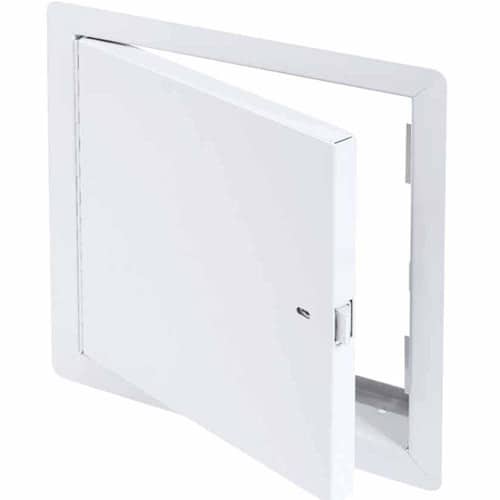
For offices, fire-rated access doors are necessary components designed to contain fire and meet building code requirements. Besides providing convenient access to utilities behind walls or ceilings, these panels preserve the fire barriers where they’re installed.
In case of a fire outbreak, these panels are built to contain flames and smoke from spreading for a specified period. This gives occupants time to evacuate and first responders time to act.
Every office building faces strict office fire performance standards that contractors and architects must follow, whether under new construction or renovation.
This article discusses why fire-rated access doors matter and how they support compliance and maintenance in office buildings.
What Are Fire-Rated Access Doors and Why Are They Important?
Fire-rated access door are specialized panels built into walls or ceilings that provide entry to mechanical or electrical systems while resisting the spread of fire and smoke. Unlike regular access doors and panels , they are tested to withstand high heat for a set period; often 45, 90, or even 180 minutes.
These panels are important for two main reasons. Firstly, they provide easy, dedicated access to utilities for routine maintenance or repairs.
Secondly, these panels help contain fire and temporarily limit property damage during emergencies.
In an office environment, fire risks aren’t limited to kitchens or storage areas alone. Electrical rooms, HVAC shafts, and IT data centers all carry hazards. That’s why most building codes require these rooms to be enclosed within fire-rated walls or ceilings assembled with fire-rated construction materials.
A small electrical fault, for instance, can escalate without the right containment measures. Installing fire-rated access doors helps strengthen fire performance in these high-risk areas. This way, even if a fire starts, it won’t spread unchecked.
For contractors and facility managers, this means smoother code compliance and reduced liability, which aids in facility management efficiency.
How Do Fire-Rated Access Doors Support Building Code Compliance?
Fire-rated access doors support building code compliance by meeting strict fire resistance standards established by authorities like the (National Fire Protection Association) and the IBC (International Building Codes).
These codes require commercial buildings to include tested and rated fire barriers, and these doors are a part of that system. Choosing compliant products helps avoid costly violations, liability issues, and project delays.
Building inspectors look for Underwriters Lab (UL) labels or equivalent certifications that prove fire resistance ratings in office projects. Without properly rated doors, an office fails inspection and risks being shut down until proper fire-rated doors are installed.
Fire-rated access doors make compliance straightforward, ensuring projects pass inspections.
What Should Offices Look for in Fire-Rated Access Doors?
The most important features of fire-rated access doors are their fire resistance rating, durable construction, and ability to blend with office interiors.
Fire Resistance Rating
The fire resistance rating is the most important feature to check when selecting a fire-rated access door. Ratings show how long the door can withstand fire and high temperatures before caving in. They typically range between 45 minutes and three hours.
This number isn’t random; it comes from rigorous testing by labs like UL, where the door is exposed to extreme heat and pressure.
For office projects, the right rating depends on code requirements and the location of the door within the fire barrier system. Choosing the correct rating ensures that, in an emergency, the barrier buys occupants and responders the time they need for proper emergency response.
Durable Construction
Fire-rated access doors must be built to hold up under daily use and extreme conditions. Most quality models use heavy-gauge steel with an insulated core, combining strength with fire resistance.
Steel frames resist warping, while insulation slows down heat transfer. Many models also feature tamper-resistant locks that prevent unauthorized access, and secure latching systems to keep the doors securely shut.
For offices with IT rooms or electrical spaces, this level of durability is non-negotiable.
Design and Aesthetics
While performance comes first, offices also need doors that blend into professional interiors. Today’s fire-rated doors often come with flush-mounted designs that sit level with the wall or ceiling.
Many can be primed for painting, allowing them to match existing finishes. This makes it possible to meet strict safety codes without disrupting the visual flow of conference rooms, hallways, or reception areas.
How Should Fire-Rated Access Doors Be Installed and Maintained?
Fire-rated access doors must be installed correctly to perform as intended, which means hiring trained installers and following manufacturer guidelines. Even a small gap around the frame or improper sealing can compromise the fire rating.
Certified installation ensures the door’s integrity remains intact and the building’s fire barrier stays effective.
Maintenance is just as important as installation because upkeep reduces risks. A neglected fire-rated access door—or other similar commercial access doors, for that matter—may fail during an emergency, allowing flames and smoke to spread. Facility managers should include these doors in regular fire inspections, checking for damage, loose hardware, or worn seals.
A door should be repaired or replaced immediately if it shows signs of wear or tampering. Some insurance providers even require documentation showing that fire performance systems, including fire-rated assemblies, are inspected and maintained regularly.
Are Fire-Rated Access Doors Worth the Investment for Offices?
Fire-rated access doors are worth the investment because they deliver long-term compliance and financial benefits.
- Reduced Costs: Though they may cost more upfront than standard access doors and panels, their compliance reduces legal liabilities or failed inspections that can have a significant financial impact.
- Minimal Downtime: Fire-rated access doors reduce operational disruptions. Instead of rebuilding large portions of an office after a fire, damage is contained to a smaller area, saving time and money.
- Sustainable Features: Fire-resistant panels with insulated cores, tight seals, and thermal breaks align with green building initiatives. They minimize heat loss or gain, making them a smart investment that balances compliance with environmental responsibility.
Conclusion
The key takeaway is simple: fire-rated access doors are not optional or extra additions to a project. They’re an essential part of modern office building compliance. They contain fire and keep buildings aligned with code requirements.
From installation to maintenance, they provide a security layer that supports day-to-day operations and long-term resilience.
Contractors and architects who make fire-rated access doors part of their office project specification ensure a more compliant workplace that minimizes risks while maximizing trust and efficiency.