Business space needs don’t look the way they did even a few years ago. Growth can happen quickly, teams can change overnight, and operations often expand in directions no one predicted. You might need more storage this quarter, room for new equipment next quarter, or temporary space while you rework how your office functions. Traditional expansion, long leases, permanent construction, and major upfront costs don’t always match that reality anymore.
That’s why many businesses are rethinking how they approach space. Instead of locking themselves into fixed layouts, they’re choosing flexible solutions that can grow, shift, or scale back as needed. These options give you more control over timing, cost, and use, helping your business stay responsive instead of reactive.
Why Businesses Are Rethinking Traditional Space Expansion
Expanding through conventional construction or long-term leases can feel risky, especially when future needs aren’t clear. Buildouts take time, permits can slow progress, and costs can add up before the space is even usable. For businesses that need to move fast, this approach often creates more stress than support.
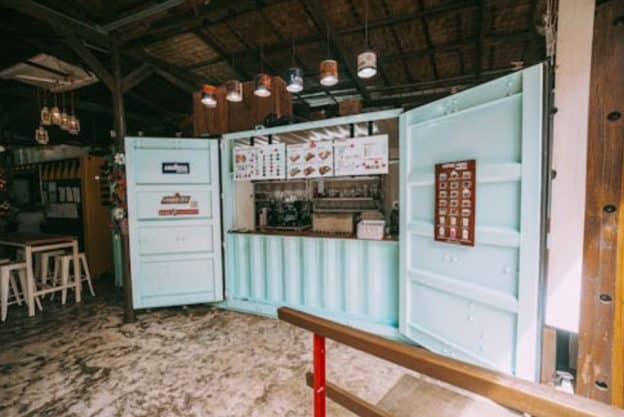
That’s why many companies look for alternatives that let them add space without committing to permanent changes. One option businesses explore is to buy shipping containers as durable, versatile units that can be used for storage, equipment housing, or operational support. These containers are designed to handle heavy use and outdoor conditions, and they can be delivered and set up far more quickly than traditional construction. Guidance and purchasing options like this help businesses choose the right size and configuration, making it easier to add space exactly where and when it’s needed.
This shift reflects a broader mindset change. Instead of asking, “How big should our space be forever?” businesses are asking, “What do we need right now, and how can it change later?”
How Flexible Space Supports Business Growth
Growth rarely follows a straight line. You might add staff, increase inventory, or launch new services faster than expected. Flexible space solutions let you respond to those changes without overextending resources.
When you can add space in phases, you avoid paying for square footage you’re not using yet. This approach supports smarter budgeting and reduces financial pressure during expansion. It also allows you to test new operations before committing to permanent changes, which can be especially helpful for growing companies or those entering new markets.
Supporting On-Site Storage and Daily Operations
One of the most common space challenges businesses face is storage. Offices, warehouses, and job sites all need secure, accessible areas for equipment, supplies, and inventory. When storage is off-site or poorly organized, it slows down daily work and creates unnecessary inefficiencies.
Flexible space solutions allow you to keep storage where it’s needed most: on-site. Having additional storage close to operations improves workflow, reduces downtime, and keeps work areas safer and more organized. Over time, this efficiency adds up, saving both time and money.
Adapting to Hybrid and Changing Work Models
Work patterns continue to evolve. Some teams are fully in-office, others are hybrid, and some shift between models depending on the project or season. This makes fixed office layouts harder to manage.
Flexible space helps you adjust without constant redesigns. You can repurpose areas for collaboration, temporary teams, or storage as needs change. Instead of expanding or downsizing office footprints repeatedly, businesses can adapt existing space with solutions that move and change along with them.
Cost and Time Advantages of Flexible Space Solutions
One major reason businesses choose flexible space is speed. Traditional expansion can take months, while modular or container-based solutions can often be deployed much faster. This helps you respond to opportunities or challenges without long delays.
Cost predictability is another advantage. Flexible options typically involve lower upfront investment and fewer hidden expenses. You know what you’re paying for, and you’re not locked into long-term commitments that may not make sense later. This makes financial planning easier, especially during periods of change.
Customization and Practical Design Considerations
Flexible doesn’t mean generic. Many space solutions can be customized to fit specific business needs. You might need shelving, climate control, secure access, or specialized layouts, depending on how the space will be used.
Planning is key. Thinking through access points, placement, and daily use helps ensure the space actually supports your operations. When flexible spaces are chosen thoughtfully, they feel like a natural extension of your business rather than a temporary fix.
Planning for Long-Term Flexibility and Scalability
The real value of flexible space lies in its long-term usefulness. As your business changes, the same space can often be repurposed instead of replaced. Storage today might become equipment housing tomorrow or support a different department next year.
This scalability supports long-term planning without forcing early decisions. You maintain control over how space is used and when it changes, which is especially valuable in unpredictable markets. Flexible solutions grow with you instead of holding you back.
Why Flexible Space Solutions Are Becoming a Standard Tool
What was once seen as a temporary workaround is quickly becoming a standard business strategy. Flexibility now plays a central role in how companies manage risk, growth, and efficiency. Businesses that adapt quickly tend to stay competitive, and space planning is a big part of that adaptability.
By choosing solutions that can change with your needs, you’re building resilience into your operations. You’re better prepared for growth, shifts in work models, and unexpected challenges. In today’s business environment, that flexibility isn’t just helpful. It’s essential.
Flexible space solutions are helping businesses adapt and grow by offering speed, scalability, and control. Instead of committing to rigid expansions, companies are choosing options that let them respond to change with confidence. From supporting daily operations to planning for future growth, adaptable space plays a critical role in modern business strategy.
When you think creatively about space, you open the door to smarter decisions and long-term resilience. Flexible solutions don’t just solve immediate problems. They help your business stay ready for whatever comes next.