
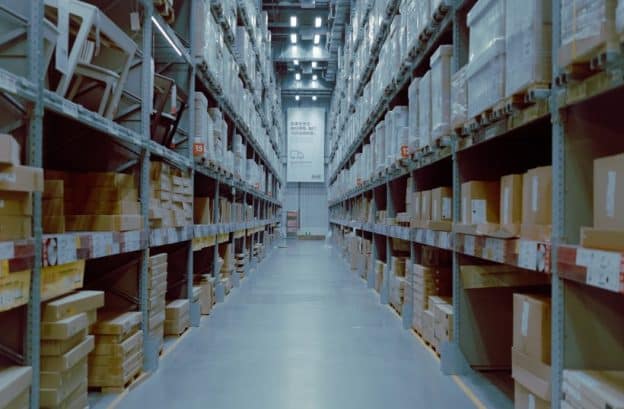
Moving from a simple office setup to a full warehouse operation is a massive leap for any growing business. It marks the transition from small-scale shipping to a high-volume logistics model. This shift requires more than just extra floor space or taller shelves. You need a system that tracks every movement of your stock from the second it arrives until it leaves the building.
Effective inventory control becomes much harder when you leave a small office environment. You can no longer rely on sight or memory to manage your products. Success in a larger space depends on clear workflows and smart technology. Streamlining these processes early helps prevent the chaos that often comes with rapid scaling.
Building a Strong Foundation for Growth
Setting up a warehouse requires a strategic look at your current physical layout. You should map out your space to minimize the time workers spend walking between zones. High-demand items belong near the packing stations to speed up fulfillment. This organization reduces physical strain on your team and keeps orders moving out the door.
Digital tools play a huge role in keeping these physical spaces organized and efficient. Recent data shows that 52% of business leaders believe their supply chains need significant improvements by 2027. Investing in the right systems now ensures you are not part of that struggling group. A solid digital foundation allows you to spot bottlenecks before they stop your operations.
The Role of Modern Software
Software acts as the brain of your entire warehouse operation by connecting your office tasks to floor activities. It removes the guesswork from picking, packing, and shipping processes. When everyone uses the same platform, communication errors vanish, and accuracy climbs. This level of synchronization is what separates a professional warehouse from a cluttered storage unit. Modern businesses rely on warehouse management software to maintain high levels of accuracy and speed. This tool helps managers see stock levels in real time and predict when to reorder items. Having this data at your fingertips prevents overstocking or running out of your best sellers.
- Assign specific bin locations for every SKU to eliminate searching.
- Use mobile scanners to update inventory levels instantly.
- Automate packing slips to reduce manual data entry errors.
- Track employee performance metrics to find training opportunities.
Transitioning Your Inventory Methods
As you move into a warehouse, your old counting methods will likely fail. Manual spreadsheets are too slow and prone to human error for large-scale operations. You need a system that scales with your order volume without adding extra stress. Switching to a perpetual inventory system provides a live look at your assets.
The shift toward cloud-based technology has made this transition much easier for smaller companies. Reports indicate that cloud solutions now make up 56.5% of global system deployments. These tools allow you to manage your warehouse from anywhere with an internet connection. This flexibility is perfect for owners who still spend half their time in the main office.
Optimizing the Picking Process
Picking is often the most time-consuming part of running a warehouse. If your team is wandering around looking for items, you are losing money every hour. Implementing a wave picking or zone picking strategy can solve this problem. These methods group orders together to make the most of every trip across the floor.
Clear signage and logical numbering systems are also vital for new staff members. You want a warehouse where a new hire can find any item within minutes. This reduces training time and helps you scale up during busy holiday seasons. A well-organized picking route keeps morale high and error rates low.
Managing Inbound Logistics
Streamlining your supply chain starts the moment a delivery truck hits your loading dock. You must have a strict process for receiving and inspecting new shipments. If you enter incorrect data at this stage, it will haunt your records for months. Check every pallet against the purchase order to ensure you got what you paid for.
Designating a specific “receiving zone” keeps the rest of the warehouse clear of clutter. This area should be equipped with the tools needed to break down pallets and label items quickly. Once goods are verified, they should move immediately to their assigned home. Leaving stock in the aisles creates safety hazards and slows down the pickers.
Data and Continuous Improvement
A warehouse is never truly “finished” because there is always a way to shave off a few seconds. Use the reports from your software to see which areas of the floor are lagging. You might find that moving a specific rack closer to the door saves miles of walking every week. Small changes lead to big savings when you multiply them by hundreds of orders.
Reviewing your shipping costs and carrier performance is another way to find hidden waste. Sometimes a different box size or packing material can lower your dimensional weight fees. Keeping a close eye on these details protects your profit margins as you grow. A data-driven approach takes the emotion out of business decisions.
Safety and Employee Wellness
Scaling up means managing more people in a more dangerous environment. Warehouse safety must be a top priority from day one of the transition. Proper lighting, clear walkways, and ergonomic packing stations keep your team healthy. A happy and safe workforce is much more productive than one that feels ignored.
Provide regular training on how to use equipment and how to lift heavy objects. It only takes one accident to shut down your operations or cause a major legal headache. Encourage your team to speak up if they see a process that feels unsafe or inefficient. They are the ones on the floor and often have the best ideas for improvement.
Your warehouse should be built with your five-year plan in mind. If you expect to double your sales, ensure your current shelving and tech can handle that load. It is much cheaper to build for growth now than to move to a new building in two years. Think about vertical space and high-density storage options to maximize your footprint.
The transition from an office to a warehouse is a sign that your business is winning. By focusing on organization, software, and smart workflows, you can make this move without the usual growing pains. Take the time to set up your systems correctly today. Your future self will thank you when the orders start pouring in at record speeds.
