
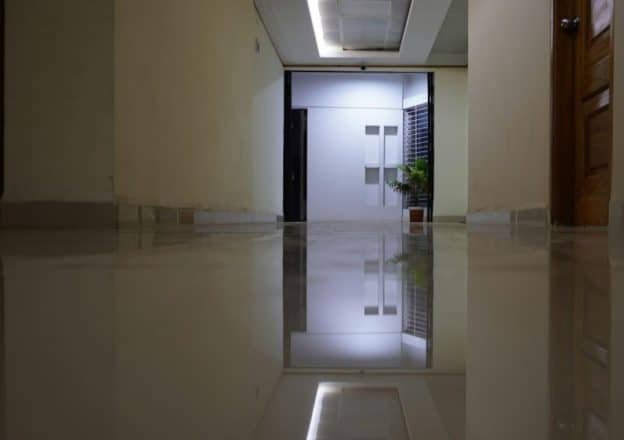
Modern protective floor systems represent a convergence of material science, industrial processing, and application expertise. Understanding the complete picture from raw material selection through manufacturing to final installation helps facility managers and contractors make informed decisions.
The Evolution of Protective Floor Systems
The protective coatings industry has undergone remarkable transformation over the past two decades. Traditional options like paint and basic sealers have given way to advanced polymer systems engineered for specific performance requirements.
Today’s commercial and industrial environments demand floors that withstand heavy traffic, chemical exposure, and constant cleaning. Each application presents unique challenges that generic solutions simply cannot address. Manufacturing facilities require floors that resist aggressive chemicals and mechanical abuse. Food processing plants need surfaces meeting strict hygiene standards while tolerating frequent sanitization.
Retail environments want aesthetically pleasing finishes handling shopping cart traffic and spills. Healthcare facilities demand seamless, easy-to-clean surfaces that support infection control protocols. Among the most significant developments has been the rise of polyaspartic floor coating technology.These advanced coatings address many limitations found in traditional epoxy systems while offering distinct performance advantages.
Polyaspartic coatings belong to the aliphatic polyurea family, known for rapid cure times and exceptional durability. They achieve foot traffic readiness within hours rather than the days required by conventional systems. This rapid cure capability proves particularly valuable for commercial environments where downtime means lost revenue. A retail store can have new flooring installed overnight and open for business the next morning. Additionally, polyaspartic coatings exhibit excellent UV stability that prevents yellowing over time. This characteristic makes them ideal for outdoor applications or any space where colour retention matters. The flexibility of polyaspartic chemistry allows formulators to create products ranging from thin-film sealers to thick-build systems. These versatile formulations can bridge minor substrate imperfections while delivering outstanding wear resistance.
Understanding Coating Chemistry Fundamentals
Most high-performance floor coatings are two-component systems consisting of separate resin and hardener components. When mixed, these components undergo a crosslinking reaction creating a three-dimensional polymer network.
The specific chemistry involved determines performance characteristics unique to each coating type. Epoxy systems offer excellent adhesion and chemical resistance but can yellow when exposed to UV light.
Polyurethanes provide flexibility and abrasion resistance but may be sensitive to moisture during application.
Polyaspartic and polyurea systems combine beneficial properties while adding rapid cure capability and UV stability.
Beyond chemistry, physical properties matter enormously in determining application success. Viscosity affects how easily a coating spreads and whether it self-levels to a smooth finish.
Solids content determines film thickness and coverage rates achievable with each coat. Pot life the working time after mixing influences how much material applicators can prepare at once.
All these factors must be carefully balanced during formulation to create consistent products. Manufacturers spend considerable effort optimizing these properties for real-world performance.
The Critical Role of Manufacturing Equipment
The performance characteristics of any coating system begin long before the product reaches a job site. The manufacturing process itself determines consistency, particle distribution, and ultimate field performance.
Raw materials of the highest quality can still result in substandard products if manufacturing processes prove inadequate. Central to coating production is the mixing and dispersion phase requiring extraordinary precision.
Pigments arrive as powder agglomerates that must be broken down to individual particles. These particles must then be wetted thoroughly by the resin system to ensure stable dispersion.
Fillers must be evenly distributed to provide consistent mechanical properties throughout the coating film. Any variability at this stage carries through to the finished product with potentially serious consequences.
This is where specialized industrial equipment becomes essential to quality manufacturing. A high shear mixer represents one of the most critical pieces of equipment in coating production.
These machines generate intense mechanical forces that break down agglomerates and disperse pigments uniformly. The rotor-stator design creates zones of intense turbulence subjecting particles to powerful hydraulic shear forces.
Without proper high-shear processing, even premium raw materials can result in coatings with inconsistent color. Poor flow characteristics and compromised durability often trace back to inadequate dispersion.
Imagine purchasing a premium floor coating only to discover color variations between containers. These frustrating problems connect directly to manufacturing quality and equipment capabilities.
How Manufacturing Quality Affects Field Performance
The connection between manufacturing precision and installed performance cannot be overstated. Inadequate mixing leads to color inconsistency, visible specks, and potential weak points in cured films.
Pigment agglomerates create stress concentrations that can initiate cracking or delamination under service conditions. These defects compromise both appearance and long-term durability of the installed floor.
When manufacturers invest in proper dispersion technology, they achieve uniform color distribution across every batch. Consistent viscosity ensures predictable application behavior that professionals depend upon.
Optimal particle size reduction produces smooth finishes that meet aesthetic expectations. Stable formulations maintain their properties throughout extended shelf life periods.
For applicators working with polyaspartic systems, manufacturing quality translates to easier application and predictable working times.
The result is happier clients with floors that perform exactly as promised.
Quality control throughout manufacturing matters tremendously for consistent results. Reputable manufacturers test incoming raw materials and monitor process parameters during production.
Finished product properties undergo verification before release to ensure batch-to-batch consistency. This systematic approach catches variations before they reach customers and cause problems.
Application Considerations for Optimal Results
Even the best-manufactured coating will fail if applied incorrectly on unprepared surfaces. Surface preparation remains the single most important factor in coating performance and longevity.
Concrete substrates must be clean, dry, and properly profiled to accept the coating system. Moisture testing and contamination removal create the foundation for long-term adhesion success.
Mechanical preparation like grinding or shot blasting opens the concrete pore structure. This profile allows the coating to penetrate and establish a strong mechanical bond.
Environmental conditions during application significantly influence final results. Temperature affects cure rates, viscosity, and working time in ways applicators must anticipate.
Humidity can cause surface defects in some coating types if not properly managed. Air movement influences solvent evaporation rates and potential dust contamination during cure.
Experienced applicators understand these variables and adjust their techniques accordingly. Following manufacturer specifications and using appropriate measurement tools ensures optimal outcomes.
Proper film thickness ensures the coating delivers its designed performance characteristics. Too thin, and the floor won’t resist wear as intended over its service life.
Too thick, and problems like solvent entrapment or extended cure times can occur. Careful attention to application parameters prevents these common issues.
The Future of Floor Protection
As sustainability concerns grow, the coating industry continues innovating with environmentally conscious formulations. Low-VOC products reduce environmental impact and improve indoor air quality during application.
Bio-based raw materials derived from renewable resources are replacing petroleum-derived components. Advanced hybrid chemistries combine the best properties of different polymer families.
These innovations require increasingly sophisticated manufacturing processes and equipment. Dispersing novel raw materials while maintaining stability presents ongoing technical challenges.
Digital tools are also transforming how coatings are specified, applied, and maintained. Color matching systems and application tracking software help ensure consistent quality throughout projects.
Data analytics identify trends and optimize both manufacturing and application processes. Augmented reality training helps applicators develop skills more quickly and effectively.
Making Informed Decisions
Whether specifying a coating for a new facility or upgrading existing floors, understanding the full picture matters. Material selection should consider total lifecycle value including durability and maintenance requirements. Working with reputable suppliers who understand both product chemistry and manufacturing excellence provides confidence. Choosing qualified applicators with proper training ensures superior products deliver superior results. The floor beneath your feet represents decades of chemical innovation and manufacturing advancement.
Appreciating this complexity helps you invest wisely in surfaces serving you well for years.
