
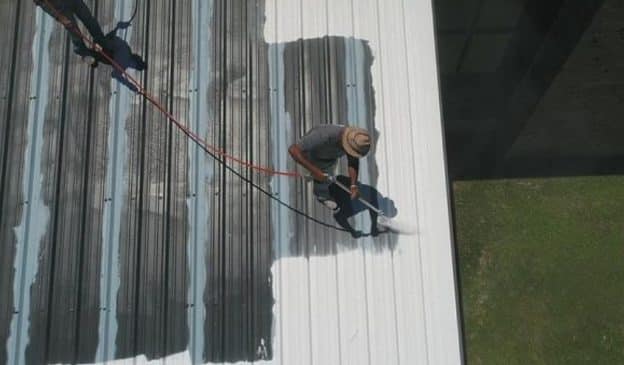
When it comes to maintaining a commercial building, one of the most critical considerations is the roof.
A roof is not only essential for protecting the building’s structure but also plays a significant role in energy efficiency and overall property value.
So, how long does a commercial roof last?
The lifespan of a commercial roof depends largely on the material used, the quality of installation, the climate, and how well the roof is maintained.
While a commercial roof can last for decades, it’s essential to understand the typical lifespan of various roof types and factors that can affect their longevity.
What is the Lifespan of a Commercial Roof?
Different roofing materials have different expected lifespans. Here’s a breakdown of some of the most common types of commercial roofing systems and how long they generally last:
- Flat Roofing (EPDM, TPO, and PVC): Flat roofs, commonly made from materials like EPDM (Ethylene Propylene Diene Monomer), TPO (Thermoplastic Olefin), or PVC (Polyvinyl Chloride), typically last between 15 to 30 years. These roofs are a popular choice for commercial buildings due to their cost-effectiveness and energy efficiency. However, they do require regular maintenance to prevent issues like punctures or seams becoming brittle over time.
- Modified Bitumen and Built-Up Roofing: Modified bitumen and built-up roofing systems, which involve layers of asphalt or similar materials, can last anywhere from 15 to 30 years. These roofs are known for being durable, but like flat roofs, they need proper care to ensure they do not develop leaks or cracks.
- Metal Roofing: Standing seam metal roofs are known for their durability and can last between 40 to 70 years. These roofs are resistant to rust and damage, making them ideal for areas with extreme weather. They are also energy-efficient, reflecting sunlight and reducing cooling costs.
- Shingle Roofing: Although more common in residential settings, shingle roofing is also used in some commercial applications. Shingle roofs typically last 20 to 30 years, depending on the material (asphalt, wood, or slate) and the quality of installation. However, they are generally less durable than metal or flat roofing systems.
Factors that Affect the Lifespan of a Commercial Roof
While roofing materials have average lifespans, several external factors can influence how long your commercial roof lasts. These include:
- Quality of Installation: A poorly installed roof will likely have a shorter lifespan than one that was installed correctly. Professional roofers with experience in commercial roofing ensure that the materials are installed with care and meet all necessary standards.
- Climate Conditions: Roofs in areas with extreme weather, such as heavy rain, snow, or fluctuating temperatures, tend to wear out faster. In particular, areas with freeze-thaw cycles can lead to cracking or loosening of roofing materials. Additionally, harsh UV rays can break down the protective coatings of flat roofs over time.
- Maintenance and Inspections: A well-maintained roof will last longer. Regular cleaning, inspections, and prompt repairs are essential to prolonging the life of your commercial roof. Neglecting small issues like leaks or debris buildup can lead to significant problems down the road.
- Roof Usage: The function of the roof can also influence its longevity. Roofs that have additional equipment, like HVAC units, or those exposed to constant foot traffic, may experience more wear and tear than those that are not. Protective coatings or mats can help reduce damage in these cases.
How Long Does an Industrial Roof Last?
Industrial roofs, which are often built using similar materials to commercial roofs, tend to have a longer lifespan due to the use of more durable materials and less foot traffic.
These roofs generally last anywhere from 30 to 50 years depending on the material, climate, and maintenance.
Like commercial roofs, industrial roofs benefit from regular inspection and care.
However, the heavy-duty nature of many industrial roofs means they can withstand harsher conditions compared to typical commercial properties.
Commercial Roof Replacement
At some point, every commercial roof will need to be replaced.
While proper maintenance can extend the life of your roof, there will come a time when it simply cannot be repaired any further. When that time arrives, commercial roof replacement becomes necessary.
Roof replacement is a significant investment, and it’s essential to ensure that you choose the right contractor and material for the job.
A well-executed roof replacement can add years of protection to your building and provide substantial energy savings in the long run.
In most areas there are several professional roofing companies that specialize in high-quality commercial roofing systems. As an example if you can find a roof replacement in Santa Fe, NM with very little trouble.
They can assess the condition of your current roof and help you decide the best course of action, whether it’s repairing, replacing, or upgrading your roof to a more energy-efficient system.
Signs That It’s Time for a Commercial Roof Replacement
While the lifespan of a roof can be extended with regular maintenance, some signs indicate it’s time for a replacement. These include:
- Frequent leaks or water damage: If your roof experiences multiple leaks that are hard to repair, replacement may be necessary.
- Visible damage or wear: If you notice large areas of your roof are cracked, buckled, or missing, it might be time for a full replacement.
- Increased energy bills: If your roof is no longer energy-efficient, you may find that heating and cooling costs rise.
- Age of the roof: If your roof has reached or exceeded its expected lifespan, it may be more cost-effective to replace it rather than continue with repairs.
Conclusion
A commercial roof is a long-term investment that plays a crucial role in protecting your building and maintaining energy efficiency.
Understanding the lifespan of different roof types and factors that affect their longevity can help you make informed decisions about installation, maintenance, and replacement.
If your roof is nearing the end of its lifespan or showing signs of damage, don’t hesitate to consult a professional.
