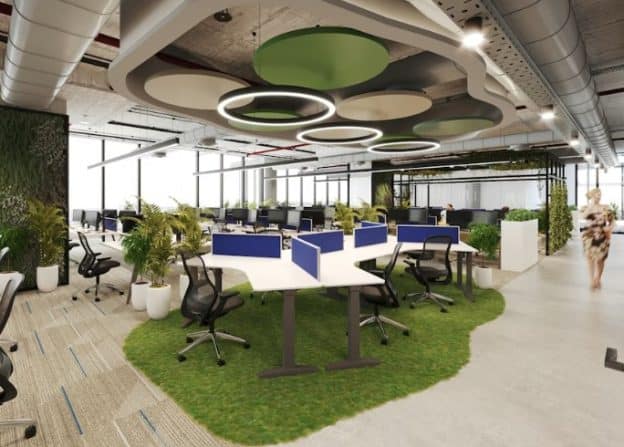
Many people think of office work as a safe alternative to construction or factory jobs. They picture a climate-controlled room with padded chairs and quiet desks. But the truth is that sitting for eight hours a day can be just as dangerous as lifting heavy boxes. Poor office design leads to thousands of injuries every year that could have been avoided with better planning.
The Hidden Risks of Daily Desk Work
Most office injuries do not happen in a single moment, like a slip or a fall. Instead, they happen slowly over months or years of repetitive motion and bad posture. When a desk is too high or a monitor is too low, the body starts to compensate in ways that cause pain. Small issues with lighting or chair height can turn into chronic conditions that keep people away from their jobs. Companies often overlook how physical layout impacts the health of their teams. Accidents happen when floors are cluttered or when desks are set at the wrong heights. Understanding employer liability for office injuries helps managers prioritize safety before a claim arises. Proper training remains a key factor in keeping people safe from these invisible hazards.
Ergonomic Tools and Employee Health
Small changes to a workspace can make a massive difference in how a person feels by the end of the day. One study found that minor changes like adjustable desks and ergonomic chairs can cut injuries significantly. These tools allow workers to shift their weight and change positions throughout the shift. This variety keeps muscles from becoming stiff and sore.
A safety management group noted that poor setups at home contribute to musculoskeletal issues and impact mental well-being. As more people work from remote locations, the risk of using non-traditional furniture grows. Kitchen chairs and low coffee tables are not meant for long hours of typing. Employers must think about how these setups affect the health of their remote staff.
Common Injuries in the Modern Workspace
The most frequent complaints in the office involve the neck, back, and wrists. These are often grouped as musculoskeletal disorders or MSDs. A safety and health institute reported that these disorders are the leading cause of work-related injuries for office workers. They affect nearly 30% of the workforce every year.
- Carpal tunnel syndrome from typing on flat keyboards
- Lower back pain from chairs without lumbar support
- Eye strain from poor lighting or screen glare
- Tension headaches from awkward neck angles
A public health journal reported a 95% increase in these types of cases globally since 1990. This rise shows that as we spend more time on devices, our bodies are paying the price. Design has not always kept up with the speed of technological change.
The High Financial Burden of Office Strains
When a worker gets hurt, the company feels the sting in its bank account. Direct costs like medical bills and insurance premiums are only the start of the problem. An international labor group estimated that work-related harm causes economic losses of around 5 percent of global GDP. This includes lost productivity and the cost of hiring temporary help.
Medical researchers found that the social and economic costs of these injuries are high. They estimate the total cost at between $174 billion and $348 billion per year in the United States. This money comes out of the pockets of businesses and taxpayers alike. It is far cheaper to buy a better chair than it is to pay for a year of physical therapy.
Productivity and Proper Workspace Design
A well-designed office does more than just prevent pain – it actually helps people work better. Global health officials report that proper ergonomic design lowers workplace injuries by nearly 50%. This lower injury rate leads to better focus and higher output from the team. Workers who are not distracted by back pain can finish their tasks faster.
Recent rehabilitation science papers found a strong positive correlation between overall workload and physical disorders. When people are stressed and overworked, they tend to forget about their posture. They might hunch over their screens or grip their mice too tightly. A design that encourages movement can break this cycle of physical stress.
Direct Costs of Claims and Compensation
Every time an employee files a workers’ compensation claim, the company’s rates can go up. These claims are particularly expensive for strain-related injuries because they often require long-term care. A national safety organization indicated that the average compensation cost for a single strain injury reaches $37,185.
- Direct medical expenses for surgery or medication
- Wage replacement while the worker recovers at home
- Administrative costs for processing the legal claim
- Increased insurance premiums for the following year
These numbers do not even include the cost of a desk sitting empty while a worker is away. The total direct costs for these types of disorders exceed $50 billion annually. Investing in better office furniture is a simple way to protect the bottom line.
Regulatory Oversight and Hazard Checks
Government agencies are taking a closer look at how offices are set up. They want to make sure that bosses are doing their part to prevent avoidable harm. A federal audit report mentioned that compliance officers must determine if ergonomic hazards exist in a workspace. This process is becoming more rigorous as the number of injuries continues to climb. Inspectors are trained to spot small issues that might lead to big claims later.
These inspectors visit buildings to check for risks that could lead to long-term injuries. They look at chair heights, desk setups, and the way employees use their tools. If they find problems, they can take enforcement action against the company. This might include hefty fines or forced changes to the office layout. Inspectors might check if employees have received any training on how to sit properly or use their equipment.
Designing a workspace with the human body in mind is a smart business move. It protects the health of the team and keeps the company away from expensive legal battles. Simple fixes like better lighting or adjustable monitors can stop an injury before it starts. When employees feel good, they do their best work. Taking the time to evaluate the office layout today will save thousands of dollars and many headaches in the years to come.