Modern industrial facilities face unique challenges when protecting assets from environmental and operational hazards. Large-scale structures require more than just a standard roof to remain functional over decades of heavy use. Effective shielding strategies integrate structural engineering with advanced materials to create a resilient overhead barrier. These systems must balance weight, durability, and cost to provide long-term value. Managers are looking for solutions that reduce downtime and prevent costly internal damage from leaks or debris.
Engineering Structural Frameworks for Heavy Loads
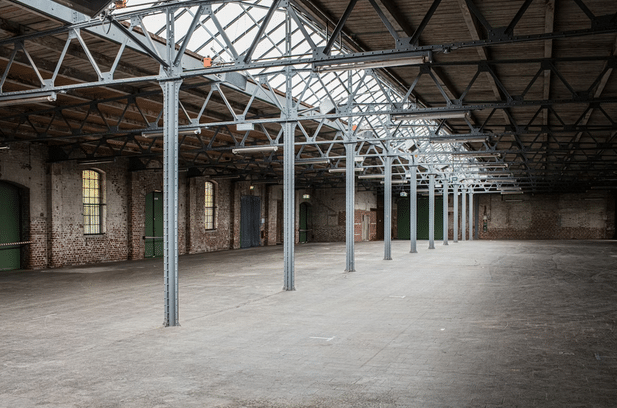
Heavy industrial buildings rely on a robust skeleton to support massive overhead shielding systems. These frameworks must account for dead loads like the roof itself and live loads from snow or equipment. Steel remains the primary choice for these skeletons because of its high strength-to-weight ratio and versatility in design. Engineers often use trusses to span wide areas without needing frequent support columns that interrupt floor operations.
The precision of these frameworks is vital for preventing structural fatigue over time. Modern welding techniques and high-strength fasteners ensure that every connection remains secure under stress. A recent technical update noted that tighter building envelope requirements, such as air leakage control and mitigation of thermal bridging, are becoming more prominent as regulators push for improved energy efficiency. Building owners must prioritize these foundational elements to support any secondary shielding layers added later.
Advanced Safety Mechanisms for Overhead Operations
Operating heavy machinery inside a large structure requires specific safety shielding to protect workers and equipment. Overhead cranes and hoists are common in manufacturing but can pose risks if not managed correctly. Modern systems now incorporate stabilization technology to prevent accidents during high-speed movements. These digital controls help operators maintain precision even when moving awkward or heavy loads through tight spaces.
Safety isn’t just about the machines themselves but how they interact with the building’s ceiling. One industry report mentioned that new cranes come equipped with anti-sway systems that stabilize loads during movement. This technology prevents the load from swinging uncontrollably, which could damage the shielding or the building’s frame. Integrating these smart features into the facility design creates a safer environment for everyone on the floor.
Local Climate Considerations for Large Facilities
The Mid-Atlantic climate brings a mix of heavy humidity, intense summer heat, and freezing winter storms. Building owners in cities like Charlotte or Greensboro need systems that can withstand rapid temperature swings without cracking. Maintaining a solid commercial roofing system is a core part of protecting your local business assets from these coastal weather patterns. Experienced teams understand how to apply these materials so they last through decades of seasonal changes.
Finding the right balance between cost and longevity is the goal for any facility manager. High-quality membranes and metal panels offer different benefits depending on the specific use of the building. Investing in a proven system ensures that the interior remains dry and the structural components stay free from rust. Local expertise helps in choosing the right materials that meet both the aesthetic and functional needs of the region’s industrial zones.
Thermal Regulation and Insulation Layers
Managing the temperature inside a vast warehouse or factory is a significant operational hurdle. Overhead shielding acts as a primary thermal barrier, reflecting heat in the summer and retaining it during the winter months. High-performance insulation boards are often installed in multiple layers to eliminate gaps where air might escape. This approach helps stabilize the indoor climate while reducing the strain on HVAC systems.
Modern insulation strategies also focus on fire resistance and moisture control. Using polyisocyanurate or mineral wool provides high R-values while maintaining safety standards for industrial occupancy. These materials are lightweight enough not overstress the building frame. By focusing on the thermal envelope, companies can lower their carbon footprint and reduce monthly utility expenses.
Material Selection for Corrosive Environments
Facilities that handle chemicals or moisture require specialized overhead shielding to prevent rapid degradation. Standard steel or aluminum might not be enough if the air inside the plant is highly corrosive. Specialized coatings or composite materials can provide the necessary resistance to chemical vapors and salt air. These materials are tested in harsh conditions to ensure they do not lose structural integrity over time.
- Stainless steel fasteners to prevent localized rust.
- Polymer-based coatings for chemical resistance.
- Zinc-rich primers to protect metal substrates.
- High-density polyethylene panels for extreme moisture.
Selecting the right material involves looking at the pollutants present in the work environment. Fiber-reinforced polymers and treated metals are often used in the most demanding settings. While the initial cost might be higher, these choices prevent frequent replacements that would disrupt production. Protecting the overhead space from corrosion is a long-term strategy that saves money on emergency repairs.
Integrated Drainage and Moisture Management
Large roof surfaces collect massive amounts of water during heavy rainstorms, requiring advanced drainage systems. If water pools on the surface, the weight can stress the structure and lead to leaks. Internal drains and oversized scuppers are used to move water away from the building as quickly as possible. Designers must calculate the maximum expected rainfall to size these systems correctly.
Moisture management also includes preventing condensation from forming on the underside of the shielding. Vapor barriers and ventilation channels are used to keep the internal air dry and prevent mold growth. Without these features, even a waterproof roof could allow moisture to damage sensitive equipment or inventory. A well-designed drainage plan is a silent partner in maintaining the health of the entire structure.
Natural Lighting and Ventilation Integration
Modern industrial designs often incorporate skylights or translucent panels to reduce the need for artificial lighting. These additions must be carefully integrated into the overhead shielding to maintain the building’s thermal performance. High-impact plastics and reinforced glass are used to ensure these openings do not become weak points in the shield. Natural light improves worker productivity and helps lower electricity costs during daylight hours.
- Polycarbonate skylights for impact resistance.
- Automatic ridge vents for heat escape.
- Reflective interior coatings to maximize light spread.
- Low-E glass panels to reduce solar gain.
Ventilation is another key component that can be built directly into the overhead system. Ridge vents and powered exhaust fans help move hot air and fumes out of the building. This natural airflow keeps the environment comfortable without relying solely on expensive cooling systems. Balancing light and air movement with structural protection creates a more efficient and pleasant workspace.
Building a resilient industrial structure requires a holistic approach to overhead shielding. From selecting the right frame to implementing a long-term maintenance plan, every decision impacts the safety and efficiency of the facility. By following modern engineering standards and using advanced materials, owners can protect their investments from the elements. A strong overhead barrier is the foundation of a successful industrial operation. Prioritizing these strategies today will lead to a more sustainable and profitable future for any large-scale enterprise.