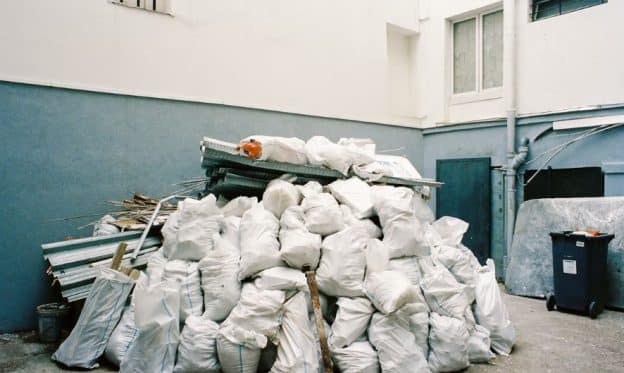
Managing commercial waste effectively isn’t just about hauling trash away. Businesses that take a strategic approach save money, reduce their environmental impact, and maintain smooth operations. By optimizing everything from waste sorting to service schedules, you can create a leaner, more efficient system that supports both your bottom line and sustainability goals.
Understand Your Waste Stream
Before tackling commercial waste management, businesses should start with a comprehensive analysis of their waste stream. This means tracking not just how much waste is generated, but also categorizing it by type, such as paper, plastics, organics, metals, and hazardous materials. Understanding these details can reveal surprising patterns: for instance, an office may discover that a significant portion of its waste is recyclable materials mixed in with general trash, or a restaurant might find that food waste makes up nearly half of its overall disposal volume. Conducting a detailed audit also helps identify seasonal or operational trends, such as spikes in waste during inventory cycles or special events. With this information, companies can make data-driven decisions on container sizes, pickup frequencies, and recycling programs that align with actual needs rather than assumptions.
A deeper insight into the waste stream can also inform cost-saving measures. For example, by separating high-volume recyclables, a business may reduce landfill fees and take advantage of recycling rebates or incentives. Businesses can even track the weight and volume of each category over time to benchmark progress and set tangible waste reduction goals. In addition, this analysis enables the implementation of specialized programs for materials that are traditionally difficult to recycle, such as electronics, plastics, or cardboard, ensuring compliance with local disposal regulations. Regular monitoring of waste types not only streamlines operations but also supports sustainability goals, demonstrating to stakeholders and customers that the company prioritizes environmentally responsible practices. By investing time upfront in understanding their waste stream, businesses create a foundation for smarter disposal strategies, cost efficiency, and a more sustainable operation overall.
Sort and Segregate for Efficiency
Proper waste segregation is foundational to efficient commercial waste disposal. Set up clearly labeled, color-coded bins for different materials like recyclables, organics, and general trash. This minimizes contamination and ensures that materials destined for recycling aren’t thrown away incorrectly.
Training staff on how to sort waste correctly boosts compliance and helps your business meet sustainability goals. Consistent signage and ongoing education also reinforce good habits and enhance overall sorting success.
Choose the Right Service and Equipment
Selecting the right waste partner and equipment plays a direct role in how smoothly daily operations run and how predictable disposal costs stay over time. Container size, placement, and pickup frequency should align with actual usage patterns rather than rough estimates, as mismatches often result in overflow issues or unnecessary payment for unused capacity. Working with a provider that offers flexible sizing options and clear guidance helps businesses fine-tune setups, and choosing a reliable commercial dumpster service at this stage can make a noticeable difference in balancing cost control with operational flow. Equipment choices matter just as much, with options like front-load dumpsters, roll-off containers, or compactors each serving different waste volumes and material types. Periodic reviews of service levels and equipment performance keep systems aligned with growth, seasonal shifts, or changes in waste composition, reducing disruptions and unnecessary expense.
Optimize Pickup Schedules
Optimizing pickup schedules is a critical component of efficient commercial waste disposal, as it directly affects both operational flow and overall costs. Businesses that generate large volumes of waste, such as restaurants, manufacturing facilities, or retail stores, often find that ad hoc or fixed schedules lead to overflows, missed pickups, and unnecessary fees. By analyzing your actual waste production patterns, you can align service frequency with real needs rather than relying on generic pickup routines. This process begins with tracking daily or weekly waste generation, noting peak periods and slower times, and adjusting pickup intervals accordingly.
Seasonal variations and special events should also be factored in, as these can significantly alter the amount of waste produced, requiring temporary adjustments to the schedule. Collaborating closely with your commercial dumpster service ensures that pickups occur at times that minimize disruption to staff and customer areas, such as early mornings or late evenings when traffic is low. Moreover, having a flexible contract allows for scaling up or down based on trends, avoiding overpayment for unnecessary service or the operational risk of overflow.
Employee Engagement and Training
Your waste management plan is only as good as the people who follow it. Engage employees through training sessions that explain why sorting matters and how it affects cost savings and compliance. Recognizing staff who champion waste reduction can boost participation and create a culture of responsibility.
Educational materials near disposal areas, such as signage and quick reminders, help reinforce proper practices and make sorting intuitive for everyone.
Embrace Waste Reduction and Recycling
The most effective waste management strategy starts before waste is even created. Reducing waste at the source, through practices like bulk purchasing, paperless processes, and reusable materials, lowers your total waste volume and disposal costs.
Implementing recycling and composting programs further diverts waste from landfills and can reduce service costs by lowering the need for regular trash pickups. Collaborating with local recycling facilities ensures proper processing of materials like electronics or specialty items.
Use Technology and Data
Smart waste solutions – like sensors that monitor fill levels – can optimize collection routes and notify you when containers are near capacity. This avoids unnecessary pickups and maximizes operational efficiency.
Waste management software can also track performance metrics, helping identify trends and opportunities for improvement. These tools support data-driven decisions that fine-tune your overall waste strategy.
Build a Strong Vendor Partnership
Choosing the right dumpster service isn’t a one-time decision. Strong vendor relationships lead to more flexible contracts, better pricing, and service adjustments that reflect your evolving needs. Ask for periodic waste reports and audits to ensure that your service remains cost-effective and aligned with your goals.
Regular communication also allows for quick resolution of issues, priority service during peak times, and access to expanded programs like recycling pickups or specialty waste handling.
Track and Improve Continuously
Continuous improvement is key to lasting efficiency. Set measurable goals, such as waste-diversion rates or cost reduction targets, and revisit them regularly to monitor progress. Periodic reviews help you uncover new opportunities and adapt your system as your business changes.
Regular tracking and reporting let you refine your commercial waste disposal approach over time, ensuring you stay ahead of operational needs and remain compliant with all regulations.
Efficient commercial waste disposal is a blend of smart planning, the right partnerships, technology, and engaged employees. By focusing on these key strategies, your business can reduce costs, improve sustainability, and create a seamless waste management process that supports productivity and growth.