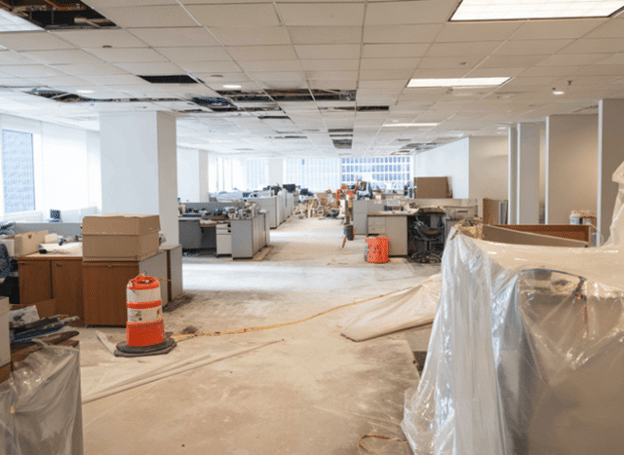
Here’s the uncomfortable truth nobody mentions when signing that shiny new office lease: sometimes the bones beneath the drywall tell a different story than the landlord’s glossy brochure. Bringing in an experienced demolition contractor for commercial spaces and selecting the right licensed demolition contractor for tenant improvements can transform a mediocre office into a productivity powerhouse, but only if you understand what you’re really buying before those lease documents get notarized. Think of it like purchasing a used car: the exterior might sparkle, but what’s happening under the hood determines whether you’ve scored a bargain or signed up for years of expensive headaches.
Commercial real estate brokers who genuinely advocate for their clients know that demolition project management in commercial construction forms the foundation of successful office transformations, turning outdated spaces into modern work environments that attract talent and boost productivity. Beyond the immediate renovation, understanding when renovation projects require expert planning prevents costly mistakes that haunt businesses throughout their lease terms, draining budgets that could fund growth initiatives instead of fixing preventable problems.
The Hidden Architecture of Office Disappointment
Walk through enough commercial spaces with tenants who regret their leasing decisions, and patterns emerge quickly. That gorgeous exposed brick wall? It’s hiding asbestos insulation that will cost tens of thousands to remediate before any renovation can begin. Those charming original wood floors? They’re concealing outdated electrical systems inadequate for modern technology demands. The affordable rent that seemed too good to be true? It comes with layout constraints requiring structural modifications that landlords may or may not approve.
Understanding what lies beneath surface appearances separates strategic office space decisions from expensive mistakes. Load-bearing walls determine whether your desired open floor plan is feasible or fantasy. HVAC capacity dictates whether your growing team will work comfortably or complain about temperature extremes. Electrical infrastructure establishes if your technology needs fit within existing capacity or demand costly upgrades that may require months of permitting and construction.
Smart tenants engage demolition and renovation specialists before signing leases, not after. These experts identify red flags that generalist commercial brokers might miss, from structural limitations that prevent desired layouts to code compliance issues that could delay occupancy by months. Spending a few thousand dollars on expert evaluation before committing to a multi-year lease beats discovering deal-breaking problems after you’re legally obligated to pay rent on space you cannot use.
The Renovation Reality Check Nobody Wants to Hear
Commercial lease agreements contain provisions about tenant improvements that read like they were written by lawyers protecting landlord interests, because they were. Improvement clauses, restoration requirements, and approval processes create bureaucratic mazes that can delay renovations, inflate costs, and limit your design flexibility in ways that fundamentally change what’s possible within your space. It’s like agreeing to a partnership where your partner controls all the decisions but you pay all the bills.
Landlord approval processes deserve particular attention because they directly impact renovation timelines and costs. What seems like a straightforward wall removal might require architectural drawings, structural engineering reports, and approvals from multiple parties including the building owner, property management company, and possibly other tenants if the work affects common areas or building systems. This approval gauntlet can stretch simple projects from weeks into months, during which you’re paying rent on unusable space while your team squeezes into temporary locations.
The restoration clause represents another landmine hidden in most commercial leases. When your lease expires, you might be required to return the space to its original condition, effectively demolishing improvements you funded and restoring features you removed. For businesses planning significant renovations, this clause can represent tens or hundreds of thousands in future costs that need to be factored into lease economics from day one. Sophisticated tenants negotiate these provisions during initial lease negotiations, not after they’ve already modified the space.
Strategic Demolition as Competitive Advantage
Forward-thinking companies recognize that thoughtful office design influences recruitment, retention, and productivity in ways that justify renovation investments beyond basic functionality. Open collaboration spaces, private focus rooms, advanced technology infrastructure, and wellness-oriented amenities have shifted from nice-to-have perks to competitive necessities in talent markets where top performers choose employers partly based on work environment quality.
But creating these modern office environments often requires removing decades of accumulated modifications, outdated systems, and inefficient layouts. Strategic demolition becomes the first step in workplace transformation, clearing away barriers to productivity and collaboration that previous tenants accepted but your organization need not tolerate. Like pruning dead branches to encourage new growth, selective demolition creates space for innovations that define contemporary work culture.
The economics of strategic renovation deserve careful analysis. Calculate the cost per employee of improved space against productivity gains, reduced turnover, and enhanced recruitment results. Factor in energy efficiency improvements from updated HVAC and lighting systems. Consider how flexible, adaptable space supports business growth without requiring disruptive relocations. These calculations often reveal that renovation investments deliver returns that far exceed their costs, particularly when compared against the disruption and expense of moving to different premises.
The Contractor Selection Minefield
Choosing demolition and renovation contractors for commercial office projects requires more due diligence than most businesses apply, yet the consequences of poor selection can haunt organizations throughout lease terms and beyond. It’s not enough to select the lowest bidder or the contractor your landlord recommends; you need specialists who understand commercial office environments, code requirements, and the unique challenges of renovating occupied buildings where minimizing business disruption is essential.
Licensed, insured, and experienced commercial demolition contractors bring capabilities that general contractors may lack. They understand environmental regulations governing asbestos and lead paint removal. They know how to coordinate utility shutdowns without disrupting neighboring tenants. They have relationships with inspectors and understand approval processes that can expedite rather than delay projects. Most importantly, they anticipate problems before they occur, building contingencies and solutions into project plans rather than discovering issues mid-demolition when timelines and budgets are already committed.
The hidden costs of inexperienced contractors become apparent when projects stretch beyond scheduled completion dates, require expensive corrections to failed inspections, or create disputes with landlords over work quality or building damage. These problems don’t just inflate immediate renovation costs; they can delay business operations, damage landlord relationships, and create liability issues that persist long after contractors have moved on to their next projects.
Timing, Phasing, and Business Continuity
Commercial office renovations present unique challenges because businesses typically cannot afford extended closures while work progresses. Unlike residential renovations where homeowners can temporarily relocate, or new construction where spaces are already vacant, office renovations must often proceed while businesses continue operating, requiring sophisticated phasing plans that balance construction efficiency against operational necessity.
Phasing strategies vary depending on space size, renovation scope, and business operations. Some companies renovate floor by floor, shifting employees to completed areas as work progresses. Others concentrate demolition and construction into nights and weekends, though this approach typically increases costs due to overtime labor and compressed schedules. The most sophisticated renovation plans leverage temporary space for critical functions, allowing more aggressive renovation timelines that complete work faster while minimizing operational disruption.
Communication becomes crucial during occupied renovations. Employees need regular updates about construction schedules, noise expectations, and access restrictions. Clients and visitors require clear guidance about temporary entrances or relocated reception areas. Neighboring tenants deserve advance notice about activities that might affect their spaces. The best renovation projects treat communication as seriously as construction, recognizing that stakeholder understanding and cooperation directly impact project success.
The Technology Integration Imperative
Modern office renovations must accommodate technology infrastructure that didn’t exist when many commercial buildings were constructed. High-speed internet connectivity, distributed WiFi networks, video conferencing capabilities, and smart building systems require cabling, power, and equipment that older spaces simply cannot support without significant upgrades. Demolition becomes an opportunity to install infrastructure that enables rather than limits technology adoption.
Electrical capacity deserves particular attention because it directly impacts what technology your office can support. Older buildings may have electrical systems designed for typewriters and filing cabinets, not computers, monitors, servers, and the dense power requirements of contemporary work. Upgrading electrical capacity during renovation can prevent future limitations and eliminate the expense of retrofit installations that disrupt operations and cost more than planned upgrades would have.
Data cabling and telecommunications infrastructure represent another critical consideration. Modern offices require flexible connectivity that supports desk moves without requiring new cable runs. Structured cabling systems installed during renovation create this flexibility while eliminating the tangled mess of improvised connections that accumulates in offices without planned infrastructure. The investment in proper cabling pays dividends through reduced IT support costs and enhanced ability to reconfigure space as business needs evolve.
Sustainability and Long-term Value Creation
Contemporary office renovations increasingly incorporate sustainability principles that reduce operating costs while supporting corporate environmental commitments. Energy-efficient HVAC systems, LED lighting, smart controls, and improved insulation cut utility expenses while demonstrating environmental responsibility that matters to employees, customers, and stakeholders. These improvements often qualify for utility rebates and tax incentives that offset initial investment costs while delivering ongoing operational savings.
Material selection during renovation and demolition phases presents opportunities to minimize waste and environmental impact. Salvaging and recycling building materials reduces disposal costs while keeping usable materials out of landfills. Some businesses sell salvaged items like architectural fixtures, flooring, or equipment, generating revenue that offsets renovation costs. Forward-thinking companies treat demolition as resource recovery operations rather than waste generation activities.
Indoor environmental quality has emerged as a critical consideration in modern office design. Poor ventilation, inadequate natural light, and harmful materials create health issues that increase absenteeism and reduce productivity. Renovation projects that prioritize air quality, natural light, and non-toxic materials create healthier work environments that support employee wellbeing while demonstrating organizational commitment to workforce health. These improvements often deliver measurable returns through reduced sick days and improved performance.
Budget Realities and Financial Planning
Commercial office renovations typically cost more and take longer than initial estimates suggest, a reality that requires sophisticated financial planning and contingency budgeting. Industry veterans recommend adding 20-30% contingency to preliminary budgets, not because contractors overcharge but because hidden conditions, change orders, and unexpected complications are more common than smooth, problem-free projects.
Breaking renovation budgets into categories helps organizations understand where money goes and identify opportunities for value engineering. Demolition typically represents 10-20% of total renovation costs. Mechanical systems (HVAC, plumbing, electrical) can consume 25-40%. Interior improvements (walls, flooring, ceilings) account for another 20-30%. Furniture and equipment represent additional costs that need separate budgeting. Understanding these proportions helps businesses make informed decisions about where to invest and where to economize.
Financing considerations for tenant improvements vary depending on lease agreements and landlord relationships. Some landlords provide tenant improvement allowances that offset renovation costs, while others offer rent abatements during construction periods. Negotiating these provisions during initial lease discussions can significantly reduce the effective cost of renovations, making extensive improvements financially feasible where they otherwise might not be. Experienced commercial real estate brokers understand how to structure these negotiations to maximize tenant benefits while addressing landlord concerns.