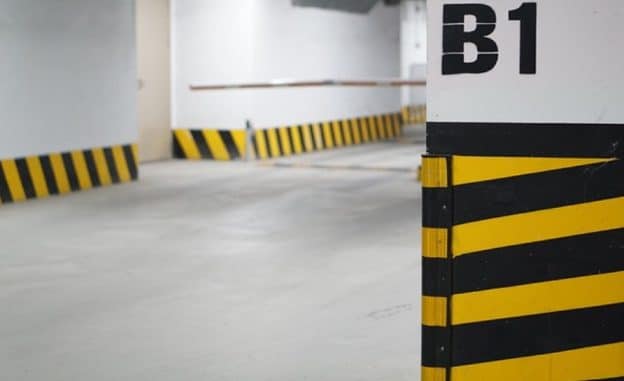
Office towers often leave their parking garages underused, creating untapped revenue potential. Property managers now apply data analytics and automation to generate consistent income from idle stalls. Systems such as license plate recognition, occupancy sensors, and mobile payments streamline access, reduce manual oversight, and capture off-peak parking demand without new construction or large capital projects.
With lease income flat and operating costs rising, garages are emerging as practical revenue sources. Integrated management platforms connect pricing, access, and billing for real-time visibility. Automated enforcement and payment reconciliation limit errors, prevent revenue loss, and simplify financial reporting. Using precise data and digital tools, owners can convert parking assets into measurable, ongoing value.
Turning Underused Garage Levels Into Revenue Assets
Entry and exit timestamps, occupancy trends, and average stay data reveal stalls with low use across hours and levels. The resulting insights guide pricing adjustments and allocation for temporary or flexible use. License-plate recognition and occupancy sensors, implemented by parking management companies and property teams, improve tracking accuracy, remove manual gate checks, and provide live utilization metrics for continuous analysis and adjustment.
Dynamic pricing links occupancy thresholds with rate tiers, short-term passes, and off-peak discounts. Automated billing systems log each transaction, reconcile payments, and summarize yield by level and time block. Managers can compare results, update rate logic, and standardize rules across properties. This process transforms unoccupied spaces into consistent, traceable revenue with limited manual intervention.
Replacing Manual Oversight With Automated Enforcement
Automated enforcement improves accuracy and consistency across parking operations. Camera networks and connected access readers identify unpaid sessions and unauthorized vehicles without on-site patrols. When combined with payment records, these systems provide timestamped evidence and clear audit trails for billing and dispute resolution.
Integrating enforcement and transaction data enables automatic handling of violations. Payments clear immediately, and unresolved issues generate citations with full documentation. Regular verification checks compare camera logs and event data to confirm accuracy and locate errors. Scheduling monthly reviews helps refine detection rules, maintain compliance, and protect revenue integrity across all monitored garages.
Boosting Net Operating Income Through Real-Time Pricing
Real-time pricing adjusts rates automatically through continuous monitoring of occupancy sensors, traffic inputs, and event calendars. Algorithms raise or lower fees in controlled increments to maintain balanced utilization and revenue stability. Each change is recorded and compared to target yield metrics, allowing consistent tracking of rate effectiveness without modifying garage infrastructure.
Tiered pricing frameworks define separate rules for tenants, visitors, and event attendees. Centralized software applies updates across sites while syncing with verified demand data. Limited test phases collect comparative performance results, validate pricing thresholds, and calibrate adjustments. This structure converts real-time data into precise, repeatable pricing models that sustain net operating income growth.
Strengthening Ownership Control With Centralized Dashboards
Central dashboards combine data from access control systems, payments, occupancy sensors, and enforcement records into a single view. Owners can track revenue, utilization, unpaid sessions, and enforcement activity in real time. Alerts highlight unusual patterns, helping managers resolve issues and verify income quickly.
Standardized dashboards also simplify audits by storing timestamped records, reconciled payments, and violation data in one secure system. Owners can set key metrics for occupancy, yield per stall, and enforcement accuracy, then review weekly reports to spot trends. This structured approach improves accountability, reduces manual reporting, and maintains consistent operational performance across multiple properties.
Creating Seamless Access and Payment for Tenants and Guests
Tenant-linked parking credentials integrate with building ID systems to remove duplicate records and reduce manual entry. Payment options including mobile wallets, tap-to-pay, and account billing accommodate tenant and visitor preferences while centralizing financial data. QR-code guest passes provide temporary access that connects directly to the payment and reporting platform.
Occupancy sensors and directional displays guide drivers to available stalls, reducing average entry-to-park time and improving stall reuse rates. System analytics measure throughput, completion rates, and transaction accuracy to confirm operational reliability. Pilot data supports refinement of rules and hardware settings before deploying uniform access and payment standards across all managed garages.
Automated parking systems use sensors, license-plate recognition, and dynamic pricing to turn underused spaces into steady revenue. Central dashboards give owners real-time insight into access, payments, and enforcement. Integrated data eliminates errors, improves billing accuracy, and reduces manual work. Multiple payment options increase convenience for tenants and visitors, improving satisfaction and reducing unpaid sessions. Short pilot programs help confirm pricing rules, signage clarity, and enforcement accuracy before broader rollout. These steps create predictable, measurable outcomes. With data-driven management and automation, building owners can generate reliable extra income, reduce administrative workload, and maintain transparent accounting across multiple properties.