
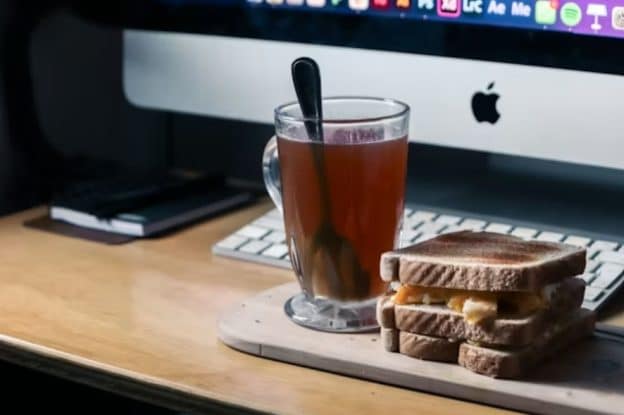
Nobody wakes up excited about fluorescent lights and beige walls.
Yet that’s exactly what most offices offer. The same tired setup. The same uninspiring environment. The same complete disregard for what actually makes people feel good about where they spend their days.
Here’s what smart business owners are figuring out: the little things matter more than the big things.
Fancy mission statements don’t create culture. Expensive furniture doesn’t boost morale. Ping pong tables collect dust after the first month.
What actually works? Thoughtful touches that show you care about the humans in your space. Simple additions that spark creativity, support wellbeing, and make the workday feel less like a grind.
This article explores the overlooked details that transform ordinary offices into places people genuinely enjoy. Some cost almost nothing. Others require a small investment. All of them deliver returns far beyond their price tags.
Let’s get into it.
Why Environment Shapes Everything
Your workspace sends a message every single day.
Walk into a cluttered, neglected office and you feel it immediately. Something deflates inside you. Energy drops. Enthusiasm fades.
Walk into a thoughtfully designed space and the opposite happens. You stand a little taller. Ideas flow more easily. Work feels less like work.
This isn’t just psychology. It’s biology.
Our brains constantly scan our surroundings for signals about how to feel and behave. Dull environments trigger dull thinking. Stimulating environments wake us up.
The research backs this up consistently. Natural light improves mood and productivity. Plants reduce stress and improve air quality. Color influences creativity and focus.
But most offices ignore all of this.
They optimize for cost and practicality while forgetting that humans aren’t machines. We need beauty. We need variety. We need spaces that feel alive.
The good news? You don’t need a complete renovation to make meaningful changes. Sometimes the smallest additions create the biggest impact.
The Creative Corner Approach
One trend gaining serious momentum is dedicating space for creative expression.
Not everyone works in a creative industry. But everyone benefits from creative outlets. The accountant who sketches during lunch returns to spreadsheets with fresh eyes. The developer who paints on breaks solves coding problems faster.
This isn’t wishful thinking. Neuroscience confirms that creative activities activate different brain regions. When we switch between analytical and creative modes, we prevent mental fatigue and maintain sharper focus throughout the day.
Some companies are taking this seriously.
They’re setting up small creative stations where employees can draw, paint, or craft during breaks. Nothing fancy. Just a table, some supplies, and implicit permission to step away from screens.
The key is making quality materials available. Cheap supplies frustrate people and go unused. Decent supplies invite experimentation and actual engagement.
Many offices now order from dedicated retailers who specialize in creative materials. Finding reliable art supplies Australia vendors has become part of office management for forward thinking companies. They stock everything from sketchbooks and quality pencils to watercolors and crafting materials.
The investment is minimal compared to the returns.
Employees report feeling more valued when companies provide these outlets. Teams bond over shared creative sessions. The office itself becomes more interesting, more human, more alive.
Even if only a handful of people use the creative corner regularly, it signals something important about company culture. It says: we see you as whole people, not just workers.
That message matters more than most leaders realize.
Rethinking the Breakroom
Let’s talk about the saddest room in most offices.
The breakroom. That fluorescent graveyard where dreams go to die alongside stale vending machine snacks and month old coffee grounds.
Nobody lingers there by choice. People grab what they need and escape as quickly as possible.
But breakrooms have enormous untapped potential.
When designed thoughtfully, they become the social heart of an organization. The place where spontaneous conversations happen. Where relationships form across departments. Where the informal culture actually lives.
The fix isn’t complicated. Better seating helps. Natural light makes a huge difference. Plants add life. Art adds interest.
But the single biggest upgrade most offices overlook? The food and drink options.
Vending machines and instant coffee communicate something specific: we don’t really care about your experience here. Just get your caffeine and get back to work.
Quality options communicate the opposite.
This doesn’t mean installing a gourmet kitchen. Simple upgrades work wonders. Better coffee. Interesting teas. And most importantly, actual healthy food.
The rise of workplace wellness programs has spawned entire industries around keeping employees properly nourished. Fresh fruit delivery services have become particularly popular because they solve a real problem: nobody has time to shop for and maintain healthy office snacks.
Companies offering the fruit box and similar services handle everything automatically. Fresh produce arrives regularly. Variety keeps things interesting. Employees grab healthy options instead of raiding the vending machine.
The impact goes beyond nutrition.
When people eat better, they feel better. Energy stays stable instead of crashing after sugar spikes. Afternoon productivity improves dramatically. Sick days decrease.
Plus, there’s the psychological element. A bowl of fresh fruit says something about values. It signals that employee wellbeing matters beyond mere lip service.
Small investment. Significant returns.
The Power of Autonomy and Personalization
Here’s something most managers get wrong.
They try to control every aspect of the work environment. Matching desks. Uniform decorations. Strict policies about what can and cannot occupy personal space.
The intention is usually aesthetic consistency. The result is sterile sameness that sucks the life out of everything.
People need some control over their immediate environment. It’s a fundamental psychological need. When we can personalize our space, we feel ownership. We feel comfortable. We perform better.
The research on this is unambiguous.
Employees with personalized workspaces report higher job satisfaction. They show more commitment to their organizations. They even demonstrate better cognitive performance on complex tasks.
This doesn’t mean chaos.
Companies can establish reasonable guidelines while still allowing meaningful personalization. Photos and artwork within certain parameters. Plants that employees choose and maintain themselves. Small collections or objects that bring joy.
The key is finding the balance between brand consistency and human expression.
Some offices take this further by letting teams design their own areas. Different departments develop distinct personalities. The marketing team might embrace bold colors and creative displays. The finance team might prefer cleaner, more organized aesthetics.
This variety makes the overall office more interesting. Walking through different areas feels like visiting different neighborhoods. Monotony disappears.
And here’s the hidden benefit: when people invest in their spaces, they invest in their work. The two become connected in ways that pure policy never achieves.
Movement and Flow
Sitting kills.
That sounds dramatic, but the evidence keeps piling up. Prolonged sitting correlates with increased risk of heart disease, diabetes, and early death. Even regular exercise doesn’t fully offset the damage from eight hours of chair time.
Smart offices are redesigning for movement.
Standing desk options give people choices about their posture throughout the day. Walking meeting paths encourage mobile conversations. Strategic placement of resources requires people to move between areas.
Some companies install small walking tracks or designate outdoor walking routes for meetings that don’t require screens. Others create standing collaboration areas where quick discussions happen naturally.
The goal isn’t forcing constant movement. It’s removing barriers to movement that traditional office layouts create.
Even simple changes help. Placing printers and supplies farther from desks encourages regular walks. Positioning breakrooms strategically means natural movement throughout the day. Creating comfortable standing areas gives people options beyond their chairs.
The cultural element matters too.
When leaders model movement, others follow. When walking meetings become normal rather than weird, more people suggest them. When standing during conversations is acceptable, sitting becomes a choice rather than a default.
Bodies in motion think differently than bodies at rest. Problems that seem impossible at a desk sometimes solve themselves during a walk. Creativity flows more freely when blood is flowing too.
Sound and Silence
Open offices promised collaboration. They delivered distraction instead.
The constant noise of open plans makes focused work nearly impossible for many people. Conversations blend into cacophony. Concentration shatters repeatedly. Deep thinking happens only before others arrive or after they leave.
But private offices aren’t the answer either. They isolate people and kill the spontaneous interaction that actually drives innovation.
The solution lies in variety.
The best modern offices provide multiple environments for different types of work. Open areas for collaboration. Quiet zones for focus. Phone booths for calls. Comfortable spaces for casual conversations.
People choose what they need moment to moment.
This flexibility acknowledges a simple truth: different work requires different conditions. Writing a report needs silence. Brainstorming needs energy. Complex problem solving needs space to think without interruption.
Sound management technology helps too. White noise systems mask distracting conversations. Sound absorbing panels reduce echo and carry. Strategic plant placement breaks up noise paths.
The goal is giving people control over their acoustic environment. When that happens, both collaboration and concentration improve dramatically.
Bringing It All Together
None of these ideas work in isolation.
The creative corner matters more when the overall environment supports exploration. Fresh food options amplify the benefits of movement focused design. Personalization feels more meaningful in spaces that already feel human.
Everything connects.
The most successful office transformations approach the environment holistically. They consider how different elements interact. They test changes and gather feedback. They iterate based on what actually works rather than what looks good in design magazines.
They also involve employees in the process.
Top down redesigns often miss what people actually need. Collaborative approaches surface insights that leaders would never discover on their own. When people help shape their environment, they feel ownership of the results.
Start small if resources are limited. One improvement leads to another. Momentum builds over time.
The breakroom upgrade inspires the creative corner. The creative corner sparks interest in wellness programs. The wellness programs create demand for more environmental improvements.
Culture shifts gradually, then suddenly. Small changes accumulate until the whole feeling of a place transforms.
Conclusion
The office of the future isn’t about fancy technology or architectural statements.
It’s about recognizing that humans have needs beyond their job descriptions. We need beauty, movement, nourishment, creativity, and control over our immediate environments.
Companies that understand this gain enormous advantages in attracting and retaining talent. They build cultures that sustain themselves. They create places where work and wellbeing support each other rather than competing.
The changes don’t require massive budgets. They require attention. They require caring enough to notice what’s missing and courage enough to try something different.
Your workspace is sending messages every day. Make sure it’s saying something worth hearing.
