
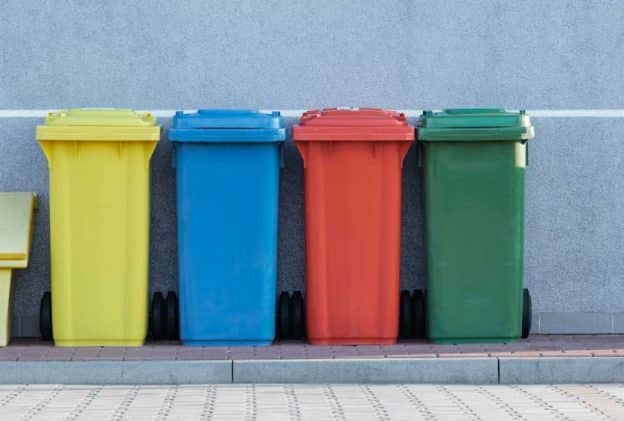
Setting up a greener office starts with decoding the labels on everyday items. Those small triangles, numbers, and words guide what goes in which bin and what actually gets a second life. When teams understand the symbols, recycling gets cleaner, and costs go down.
The tricky part is that not every symbol means the same thing in every city. Some marks point to a material type, not a promise that your local hauler accepts it. This guide keeps it simple so your office can recycle with confidence.
https://unsplash.com/photos/four-assorted-color-trash-bins-beside-gray-wall-RkIsyD_AVvc
Why Recycling Symbols Matter At Work
In a busy office, people toss things fast. Clear symbols help cut hesitation at the bin and reduce contamination that can send whole loads to the landfill. Fewer mistakes mean better recovery of valuable materials.
Recycling symbols also help purchasing teams choose packaging that fits local programs. That brings your waste stream closer to what your city can handle. The result is less wishcycling and more real recycling.
Reading symbols builds a shared habit. When everyone understands the labels, new hires pick them up quickly, and the culture shifts toward reuse and reduction.
What do Chasing Arrows Really Mean?
The three arrows logo is a familiar sight on bottles, boxes, and mailers. It often signals a type of material rather than a guaranteed path to a new product. In many places, acceptance depends on size, shape, and local processing.
Some teams need a quick refresher – a reference helps everyone get aligned. Use this clear guide to plastic recycling symbols to show what each number means, then follow up with your local rules. After that, label your bins so the symbol on an item matches the sign above the opening.
The symbol may appear with variations, like a number inside the arrows or text near it. Teach people to look at the whole mark, not just the triangle, before they toss.
Resin Identification Codes 1 To 7
Numbers 1 to 7 inside the arrows identify plastic types like PET, HDPE, and PP. A federal guide notes that higher numbers often line up with plastics that are harder to recycle at scale, which is why acceptance varies across communities. That is a reminder to check local lists before changing your bin labels.
For offices, the most common hits are 1 on drink bottles and 2 on milk jugs and detergent containers. Lids are often a different number than the body, which can affect acceptance. Keep lids and bodies together only if your hauler says it is OK.
Numbers 3, 6, and 7 show up less in typical office streams but can sneak in via packaging. Avoid buying supplies in hard-to-recycle plastics when a paper, 2, or 5 option exists. Small switches add up over a year.
Plastic Symbols You’ll See On Common Office Items
Your office kitchen and mailroom generate a steady mix of plastics. Reading the numbers helps staff sort items that look similar but behave differently in a facility. That keeps contamination low.
Look for these quick clues:
- PET 1 on clear drink bottles and some clamshells
- HDPE 2 on opaque jugs for soaps or cleaners
- PP 5 on yogurt cups, microwavable containers, and many caps
- PS 6 on foam coffee cups or protective inserts
- 4 and 7 on flexible or mixed plastics that may be hard to place
If an item has no mark, assume it is not accepted until you confirm. When in doubt, choose reusable options to avoid the symbol puzzle altogether.
Paper, Metal, And Glass Labels
Not all symbols are about plastic. Paper often carries marks indicating recycled content, FSC certification, or how to separate liners. These labels guide better purchasing along with better sorting.
Metal cans and foil may show simple text like Please Recycle or an icon of a can. Rinse, flatten if asked by your hauler, and keep food out to protect the stream. If foil holds heavy food residue, compost or trash it to prevent contamination.
Glass usually has fewer symbols, but color and shape matter. Many programs prefer bottles and jars, not window glass or ceramics. Train teams to keep lids and pumps separate if your local rules require it.
Local Rules And Wishcycling
A national symbol does not override your city’s list. According to the EPA, the triangle around a number identifies material type and does not guarantee that your local program accepts it. Share the local yes and no lists on a single page so people can follow the right rules.
Every program has quirks. Some accept caps on, some want them off. Some take clear PET clamshells, others do not, due to labels and shape.
Use a short checklist to reduce wishcycling:
- Check the number and the item’s shape
- Rinse to remove food and liquid
- Follow your local list for caps, pumps, and liners
- Keep soft plastics out unless your program accepts them
How To Set Up Smarter Bins And Signs
Start with an audit of what your office throws away in a typical week. Match your bin types to the top materials, not the other way around. Place bins in sets so trash is never the only option.
Signs should show the exact items your people touch daily. Use big images, the symbol, and a few words below. Keep color coding consistent on lids, liners, and posters.
Refresh signs when products or local rules change. A quick monthly walk-through catches new problem items and keeps your setup current.
Cleaning, Contamination, And Quality
A little food or liquid can turn recyclables into trash. Make rinsing easy by placing a sink and drying rack near the bins. Provide a scraper or spatula for sticky containers.
Encourage people to empty bottles and cups before they reach the bin. Liquids can leak onto paper and ruin it for the whole load. If a container still smells strongly after rinsing, it may belong in the trash.
Avoid bagging recyclables unless your hauler asks for it. Many facilities reject tied bags because they cannot see or process the contents. Loose and clean beats sealed and unknown.
Training Your Team To Read The Symbols
To ensure an eco-friendly office, launch with a 10-minute huddle that covers the top five items in your waste stream. Use real samples and point out the symbols so people learn by touch and sight. Keep it short and repeat quarterly.
Build micro-reminders into daily tools. A slide on new hire orientation, a poster above the sink, and a quick note in your team chat keep habits fresh. Praise good sorting when you see it.
Track progress with simple metrics like contamination rate and pickup weight. Share wins in a monthly update and adjust where confusion remains. The symbols become second nature.
Set your office up for success by making symbols easy to find and easy to act on. Keep the focus on the items your team uses most and the rules your city actually follows.
With clear signs, simple training, and a few weekly checks, your recycling stream will improve. The result is less waste, lower costs, and a workspace that supports the planet in everyday ways.