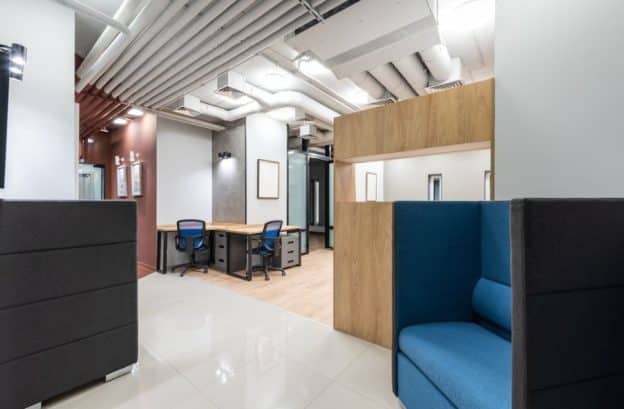
An office lease allows a business to rent workspace for a set period of time. It outlines rent, lease length, and the responsibilities both tenant and landlord must follow. While many businesses focus on location and monthly rent, the building systems that keep the space functional and comfortable are often overlooked.
Hidden costs can disrupt even a well-planned lease. Heating, ventilation, and air conditioning systems are one of the most common sources of unexpected expenses. These HVAC-related costs may seem minor at first, but over time they can add up quickly and place real strain on your operating budget.
System Upgrades, Compliance, and Servicing Obligations
Building codes and compliance standards can change over time. Safety regulations and environmental requirements may be updated, and older HVAC systems may no longer meet current expectations. When that happens, upgrades become necessary, and your lease will determine who is financially responsible.
Landlords are not always required to cover all improvement costs. Some leases shift part or all of these expenses to tenants. Replacing outdated controls, improving ventilation, or installing higher-efficiency equipment can cost far more than many small businesses anticipate.
Servicing clauses are another critical area to review. Some leases require tenants to schedule regular inspections, maintain service records, and address repairs quickly in order to preserve warranties and system performance. Ignoring these obligations can lead to penalties, disputes, or unexpected liability.
Leases often mention commercial air con service. This refers to scheduled visits by qualified HVAC professionals to clean filters, inspect coils, test airflow, and confirm the system is operating safely. Each visit may appear manageable on its own, but multiple service appointments per year, along with small repairs identified during inspections, can significantly increase operating costs.
Repair and Maintenance Responsibilities
Clear repair terms can help prevent major financial surprises. HVAC systems include compressors, fans, ductwork, thermostats, and electrical components that naturally wear down over time. When something fails, repairs often need to happen immediately, especially during extreme summer or winter conditions.
Some leases specify that landlords handle structural building systems while tenants maintain equipment serving their individual office space. Others place nearly all responsibility on the tenant. Overlooking this section can lead to costly misunderstandings.
Routine maintenance may seem minor, but recurring tasks still require time, labor, and materials. Replacing filters, adjusting belts, and scheduling seasonal inspections should all be treated as ongoing budget items.
Major breakdowns are an even bigger concern. Fixing or replacing a failed compressor or air handling unit can cost thousands of dollars. If the lease requires the tenant to absorb those costs, the financial impact can be significant.
Age and Condition of the HVAC System
The age of an HVAC system strongly affects future expenses. Older systems typically operate less efficiently and require more frequent repairs. Even if the equipment appears functional during a walkthrough, hidden problems can surface once the space is occupied full-time.
Reviewing service history is essential. Repeated repairs for the same issue may indicate deeper mechanical problems. Missing documentation can also suggest the system was not properly maintained.
Technology has also advanced quickly. Modern HVAC systems often include smart controls that maintain consistent temperatures and improve energy management. Older systems may lack these features, resulting in uneven heating and cooling throughout the office.
Uneven temperatures affect more than comfort. If employees are too hot or too cold, focus and productivity can suffer, leading to complaints and additional workplace disruptions.
Scheduling a professional HVAC inspection before signing a lease can help identify risks that are not visible during a standard tour. Paying for expert evaluation upfront can prevent far more expensive surprises later.
Energy Inefficiency and Utility Costs
Monthly utility bills reveal how hard your HVAC system is working. Poor insulation, leaky ductwork, or outdated equipment forces the system to consume more electricity, increasing energy expenses.
Small inefficiencies may not seem urgent at first, but wasted energy becomes a long-term financial burden. Over the course of a multi-year lease, even modest monthly increases can turn into substantial extra spending.
Control settings matter as well. Systems that run overnight or are set to extreme temperatures waste energy unnecessarily. If tenants do not have control over building-wide HVAC scheduling, they may end up paying for usage they did not directly choose.
Energy prices can also rise unexpectedly. Businesses operating in older or inefficient buildings often feel these increases more sharply than those in newer, well-maintained properties. Reviewing past utility bills can help establish realistic cost expectations.
Sustainability goals also play an increasingly important role in commercial leasing decisions. Companies seeking to reduce emissions may need HVAC upgrades, and if the lease does not clearly assign responsibility, tenants may be required to cover those improvements.
After Hours and Extended Operation Charges
Commercial leases typically define standard operating hours. Heating and cooling services are often included only during these daytime windows. Using HVAC systems outside these hours may trigger additional charges.
Businesses with flexible schedules face greater risk. Evening meetings, weekend operations, or shift-based work all require climate control. Each extra hour of use may generate fees beyond the base rent.
These charges may be billed hourly or calculated based on estimated energy consumption. Without careful review, tenants can underestimate how often they will need after-hours heating or cooling.
Careful operational planning can help you avoid unexpected after-hours HVAC expenses. Estimating real working hours before signing and discussing billing methods with the landlord can reduce costly surprises.
Wrap Up
Hidden HVAC costs can create serious problems in an office lease if they are not identified early. Upgrade obligations, repair responsibilities, energy inefficiencies, and after-hours usage fees can all accumulate quickly. Reading lease terms closely and asking specific questions about HVAC systems can protect your budget and reduce long-term risk. A careful review now helps ensure your business remains stable, comfortable, and prepared for the future.