
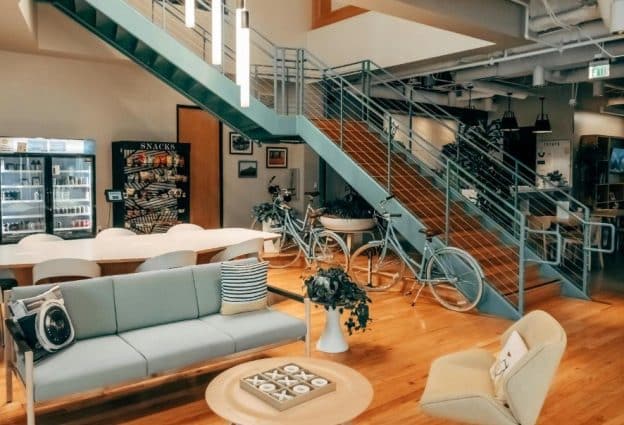
Walking into a professional workspace in 2026 feels less like entering a corporate headquarters and more like stepping into a well curated library or a quiet boutique hotel. The rows of identical desks and the hum of overhead fluorescent lights are quickly fading away. They are being replaced by what designers call workspitality. This shift is not just about looks. It is a response to the psychological reality that people do their best work when they feel a sense of autonomy and comfort.
For a business owner, the goal is to create an ecosystem of zones. Instead of forcing everyone into a one size fits all open plan, a smart layout now offers sensory variety. You might have a high energy social hub near the entrance for collaboration. Deeper into the building, you find library style quiet zones where phone calls are prohibited. By providing these distinct environments, you acknowledge that a coder needs a different sensory experience than a sales representative. It is about treating the office as a tool that employees actively use rather than a place where they are simply managed.
Digital Agility and the Power of Choice
In this new landscape, the physical space must be supported by digital tools that are just as flexible. When your team is moving between a standing desk, a quiet pod, and a communal lounge, they cannot be weighed down by slow software that hogs resources. They need a digital toolkit that is as mobile as they are. This demand for high performance technology is why we see a rise in app based management for everything from desk booking to real time market updates.
Effective business leaders look for software that respects their time and their hardware. As an example, the software application 1xbet download Mongolia takes just a few minutes and consumes little memory, so downloading the app is relatively quick and easy. For a professional who is constantly switching between tasks and locations, this kind of technical efficiency is vital. You want tools that load instantly and do not crash your phone. When an application is optimized to be light and fast, it fits perfectly into a nomadic work style. It allows a business leader to stay connected to global trends while moving through different zones of the office. This ensures that technology never becomes a bottleneck for human creativity.
Designing for the Human Experience
The most significant trend this year is the move toward neuro inclusive design. We are finally moving past the idea that everyone processes noise and light in the same way. Modern offices are incorporating acoustic baffles, adjustable lighting, and tactile materials like cork and natural wood to create a calming atmosphere. These elements help reduce the sensory overload that leads to burnout. This makes the office a place where people actually feel restored rather than drained by the end of the day.
Sustainability also plays a massive role in this human centered approach. Businesses are choosing furniture that is built to last and designed to be repaired. This creates a sense of stability and permanence that employees value. When a workspace feels intentional and well cared for, it sends a clear message about the company culture. It says that the people working there are the most important asset the business has. It is no longer about just filling a room with chairs. It is about creating an environment that respects the human beings inside it.
The Future of the Shared Workspace
Ultimately, the successful office of the future is one that understands the value of spontaneous interaction. We go to the office for the things we cannot get on a video call. We go for the mentorship, the shared laughter, and the creative breakthroughs that happen in the kitchen while making a coffee. By investing in social spaces that feel warm and human rather than clinical and corporate, small businesses can build a culture that lasts.
The office is no longer just a place to sit. It is a place to connect. By balancing high speed digital efficiency with a soft and human centered physical environment, you create a workplace where people do not just show up. They thrive. Whether you are in a high rise in a major city or a small startup hub, the principles remain the same. Respect the person, optimize the technology, and design for the way we actually live and work today.
