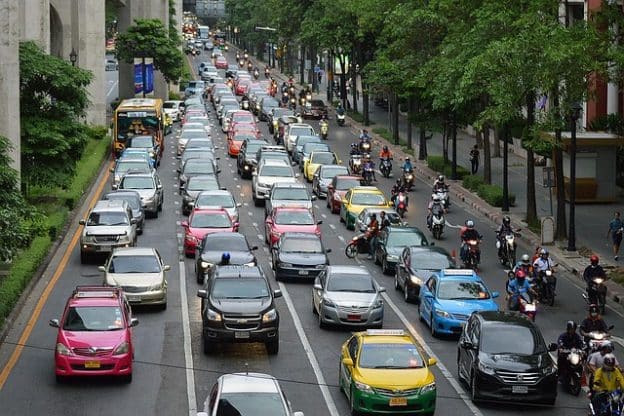
You know that feeling when you’re already ten minutes late, stuck behind a garbage truck on a one-way street, and you can actually see your destination but can’t reach it? Multiply that by a forty-foot moving truck full of your company’s entire existence. That’s the special flavor of stress that comes with urban office relocations.
Here’s the thing nobody really talks about when they’re showing you renderings of your shiny new workspace. All those glossy photos of open floor plans and natural lighting? They conveniently skip the part where your IT equipment is sitting in gridlock on Main Street because someone double-parked to grab a coffee. Working with qualified moving company in your area like moving company in Cambridge MA early in your planning process can help you avoid these street-level surprises that derail even the most carefully scheduled transitions.
The Digital Plan vs. The Street Reality
We’ve all gotten seduced by those sleek project management tools. You map out your move with precision down to the quarter-hour. Color-coded spreadsheets. Automated notifications. Everyone assigned specific roles. It feels bulletproof, honestly.
Then moving day arrives and the reality hits different.
Urban centers weren’t designed for commercial moving trucks. Many downtown streets were laid out before cars existed, let alone vehicles carrying eight desks and a server rack. The loading dock you assumed was standard? It might be shared with three other buildings. The freight elevator that looked spacious in photos? It breaks down on Tuesdays, which happens to be your moving day.
I saw this happen to a friend who runs a small marketing firm. They planned their relocation for six months. Six months of careful coordination. The building manager mentioned in passing that the loading zone was “sometimes busy” but didn’t specify that “sometimes” meant “every weekday from 7 AM to 7 PM.” Their truck circled the block for forty-five minutes while the meter ran and their security deposit ticked closer to oblivion.
The Permit Puzzle Nobody Completes
Let’s talk about permits for a second. Most commercial leases mention them in the fine print. “Tenant responsible for all necessary permits and approvals.” Standard language. You initial the box and move on.
But here’s what that clause actually means in practice.
In dense urban environments, street parking for commercial vehicles isn’t just limited; it’s regulated by time windows, zone restrictions, and seasonal variations you wouldn’t believe. Some cities require permits booked seventy-two hours in advance. Others have blackout dates during major events or academic move-in periods. A few have neighborhood-specific rules that change block by block.
And the kicker? Violations aren’t cheap. We’re talking hundreds of dollars per ticket, plus the cost of having your truck towed to an impound lot across town while your employees stand around wondering if they still have jobs.
The really frustrating part is how this information is scattered. City websites are notoriously difficult to navigate. Phone trees lead nowhere. You end up calling three different departments just to confirm whether Tuesday counts as a business day for permit purposes.
Timing Is Everything (Except When It Isn’t)
You’d think the solution is simple: just schedule around rush hour. Avoid the morning crush and evening exodus. Move during off-peak times.
If only it worked that way.
Urban traffic has become less predictable, not more. Delivery apps have flooded streets with gig workers during traditionally quiet hours. Construction projects pop up overnight. Special events close roads with minimal notice. That “quiet Tuesday afternoon” you selected because the data suggested low congestion? It’s now the day of the annual street fair you didn’t know existed.
Weather adds another layer of unpredictability. A light rain in some cities turns streets into parking lots because everyone suddenly forgets how to drive. Snow removal operations can eliminate loading zones for days. Heat waves cause equipment failures that back up traffic for miles.
The human element matters too. Your carefully calculated timeline assumes the elevator works, the building manager remembers your reservation, and the previous tenant actually vacated on schedule. Any one of those assumptions fails and your traffic-avoidance strategy crumbles.
When the Building Fights Back
Sometimes the street isn’t even the problem. Sometimes it’s the destination itself.
Older urban buildings have charm. Exposed brick, high ceilings, character for days. What they don’t have is modern freight infrastructure. Narrow staircases. Weight-restricted elevators. Loading docks designed for 1950s delivery trucks, not contemporary moving equipment.
One architect I spoke with described trying to move a firm into a historic downtown building. The freight elevator could handle the weight but not the dimensions. They ended up winching furniture through a third-floor window. In January. While traffic backed up below because the crane blocked half the street.
These aren’t edge cases. They’re increasingly common as businesses seek authentic urban locations in buildings that predate modern logistics by decades.
The Hidden Costs of “Efficiency”
Here’s where it gets expensive in ways your lease won’t cover.
Delayed moves mean extended overlapping rent payments. Equipment sitting in trucks faces higher damage risk from vibration and temperature swings. Employee productivity drops when they’re working from makeshift spaces or coffee shops. Client meetings get postponed. Deadlines slip.
Insurance complications arise too. Coverage for goods in transit often has time limits. Exceed those limits because of traffic delays and you might find yourself personally liable for damage that occurs after hour six in a parked truck.
And then there’s the reputational hit. Nothing says “we have our act together” quite like explaining to a potential client why you’re taking their call from a folding chair surrounded by moving boxes.
So What Actually Helps?
Honestly, most of the solutions are boring and unglamorous. They involve starting your planning earlier than feels reasonable. Visiting your new location at different times of day to observe actual traffic patterns, not just looking at Google Maps estimates. Talking to neighboring businesses about their move experiences. Reading the fine print on building access agreements.
Build relationships with local officials before you need them. Many cities have small business liaisons who can cut through bureaucratic noise if you reach out early. Don’t wait until permit application day to introduce yourself.
Consider the timing of your move holistically. Academic calendars, construction seasons, local events, and even weather patterns should influence your date selection. The cheapest moving quote often comes with the highest risk of traffic complications.
Most importantly, build buffer time into every phase. If your plan requires everything to go perfectly, your plan is wrong. Assume the elevator will be occupied. Assume traffic will be worse than predicted. Assume permits will take longer to secure than the website promises.
The Human Side of Moving Day
Amid all this logistics talk, it’s easy to forget that moving is fundamentally human. Your employees are anxious about their commute changing. They’re worried about whether their favorite lunch spot will still be accessible. They’re stressed about packing their personal items and setting up in a new space.
Traffic chaos amplifies that stress. When people arrive frazzled from nightmare commutes caused by your moving trucks blocking their usual routes, productivity and morale take hits that last well beyond moving day.
Communicate early and often about traffic impacts. Provide clear alternative routes. Consider staggering start times so everyone isn’t arriving simultaneously into a logistical mess. Small human touches matter more than perfect traffic planning ever could.
Looking Ahead
Urban density isn’t decreasing. If anything, the trend toward downtown revitalization means more businesses competing for the same limited street space. Delivery culture isn’t slowing down. Climate change is making weather more unpredictable.
The gap between digital planning tools and street-level reality will likely widen before it narrows. The companies that thrive will be those that treat urban logistics as a core competency, not an afterthought.
Your next office move will probably involve some traffic stress. That’s unavoidable. But with realistic planning, local knowledge, and genuine respect for the human elements involved, you can keep the nightmare part optional.