
Growth brings momentum. It also brings pressure. Suddenly, your office feels too small. Desks feel crowded. Meetings feel rushed. So, leaders decide to move. However, many rush this step without proper planning. That is where problems begin. That is what growing companies get wrong about office relocation. They focus on speed instead of strategy, reacting instead of preparing. Over time, these choices affect productivity, morale, and long-term stability.
What Growing Companies Get Wrong About Office Relocation: Relying Only on Today’s Needs
When companies outgrow their space, they often think in the present. They look at today’s headcount. They measure today’s desks. They solve today’s discomfort. At first, this feels practical. Yet it creates problems later.
Growth rarely slows down. Soon, new hires arrive, teams expand, and departments evolve. If your new office fits only your current size, it will soon feel tight again. Then, another move becomes necessary. That wastes money and energy.
Instead, smart leaders think ahead. The key is to estimate future staffing, plan flexible zones, and leave room for change. This approach reduces stress. It also supports stable growth.
Underestimating Real Relocation Costs
Many companies believe rent is the main expense. In reality, it is only the starting point. Moving involves technology setup, furniture upgrades, legal fees, and lost work hours. These costs add up quickly.
For example, servers may need rewiring. Internet lines may need upgrades. Teams may lose days of productivity. If you want to minimize downtime while relocating, these details cannot be ignored. They shape the entire timeline.
Moreover, delays create pressure, which then leads to rushed decisions. These rushed decisions then create more expenses. Therefore, strong budgeting matters from day one. A detailed cost plan protects your business.
Ignoring Employee Experience During the Move
What growing companies get wrong about office relocation is that it’s not only a logistical project. It is also a human one. Yet many growing companies overlook how deeply a move affects daily routines, motivation, and engagement. Commute times may change. Workflows may feel disrupted. Familiar spaces disappear overnight.
When leaders fail to address these concerns, frustration builds quietly. Over time, trust weakens. Strong leadership skills become essential in this phase, especially when guiding teams through uncertainty and change.
Open conversations make a difference. Regular updates reduce anxiety. Listening sessions uncover hidden concerns. When people feel involved, they adapt faster. As a result, productivity stabilizes sooner, and the transition becomes far less disruptive.

Properly planning and preparing is what growing companies get wrong about office relocation
Preparing Everything Too Late
Waiting until the final days to organize a move is one of the fastest ways to create confusion. Many teams believe they can handle logistics as moving day approaches, but this mindset often leads to disorganization and rushed decisions. Important materials get forgotten, equipment ends up in the wrong place, access cards show up late, and stress spreads across departments.
A structured approach changes the entire process. When teams prepare a packing supply checklist early, the checklist creates order, helps everyone pack with a plan, and makes it easier to sort and organize every item before it turns into a last-minute scramble. Clear inventories keep assets visible, timelines keep tasks on track, and contingency plans limit disruptions. With early preparation, teams stay in control, work efficiently, and move forward without unnecessary setbacks.
Choosing Location Based Only on Price
Affordable rent looks attractive, especially during periods of rapid growth. However, focusing only on price often leads to costly compromises. A cheaper office may sit far from public transport. It may be isolated from clients. It may discourage top talent from applying.
Location shapes daily operations more than many leaders expect. Long commutes drain energy. Poor accessibility reduces collaboration. Limited nearby services affect convenience and morale. Over time, these factors quietly reduce performance.
A balanced decision considers more than monthly payments. It weighs visibility and accessibility as well as business opportunities and connections. When a location supports both employees and clients, the office becomes an asset rather than a limitation.
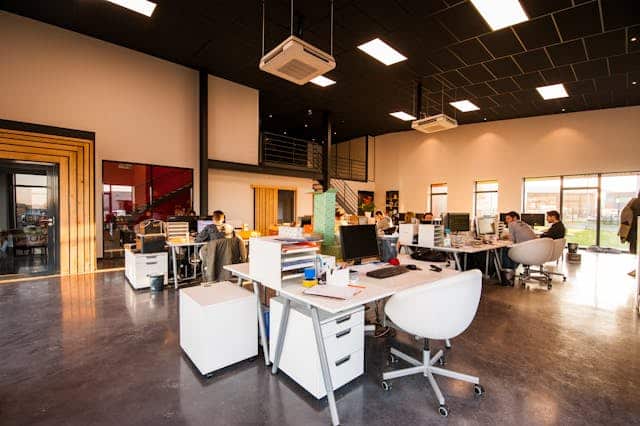
The right office space can make a real difference
Failing to Build a Scalable Layout
Many growing companies underestimate how their office layout affects long-term productivity. Open-plan spaces, private offices, and meeting rooms all need careful balance. Teams often cram desks together or eliminate collaboration areas to save space, which backfires as staff expands.
Leaders who fail to choose the right office space for both current and future needs often face repeated relocations, increased costs, and frustrated employees. Thoughtful design considers flexibility, natural light, and traffic flow, making growth smoother. A scalable layout allows departments to expand without constant disruption.
Not Communicating Clearly With Teams
Communication often suffers during relocations, yet it is one of the most critical success factors. Employees want to know timelines, responsibilities, and what changes to expect.
Without clear messaging, confusion grows, deadlines slip, and morale drops. Leaders who regularly update teams and solicit feedback create trust and reduce anxiety. Storytelling and visual aids can help convey plans more effectively than emails alone.
When staff feel heard, they adapt faster and engage proactively in problem-solving. In contrast, silence or mixed messages can create unnecessary tension, which affects both productivity and overall satisfaction during the transition.
Rushing Legal and Compliance Checks
Legal oversights are a surprisingly common pitfall. Ignoring zoning laws, safety regulations, or lease clauses may seem minor at first, yet they can halt a move or incur significant fines.
That is exactly what growing companies get wrong about office relocation when they treat compliance as an afterthought. Thorough early reviews prevent costly delays and ensure operations remain uninterrupted. Consulting experts, checking permits, and reviewing insurance coverage reduces surprises.
By prioritizing legal and compliance responsibilities from the start, businesses protect both employees and assets while keeping the relocation timeline realistic and stress-free.
Treating Relocation as a One-Time Task
Relocation is often seen as a single event, but it is really a process that continues well after moving day. Many growing companies fail to gather feedback or review workflows after settling in, which leads to repeated inefficiencies and unresolved issues. Simple adjustments to furniture, technology, or team zones can drastically improve productivity and morale, yet these steps are often overlooked.
By monitoring how employees interact with the new space, identifying bottlenecks, and making iterative improvements, companies ensure their investment truly supports growth rather than creating recurring headaches.
Mastering Office Relocation With Confidence
Understanding what growing companies get wrong about office relocation allows leaders to plan thoughtfully, involve employees, and budget wisely. Prioritizing preparation, scalable layouts, and clear communication ensures a smoother transition. Reviewing and adjusting post-move helps avoid repeated mistakes. With careful planning, a move becomes an opportunity to strengthen teams, optimize workflows, and set the stage for sustained growth.