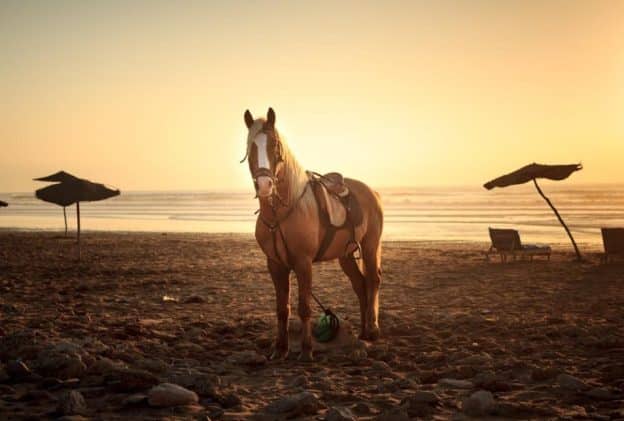
Have you ever wondered how an animal like a horse can listen to commands and follow directions, especially in big horse racing events with other horses around? Well, that’s because horses are trained.
It’s not luck – it’s discipline, trust, and, of course, consistency. And weirdly enough, it’s exactly what most teams in business, startups, and even creative fields are missing. You might think that there is not much in common between a bunch of employees and a stable of racehorses, but if you look closer, the similarities are uncanny.
Horse trainers are basically master motivators, strategists, and psychologists all in one. Their job is to train the horse well enough that it remains focused, it listens to commands, and it performs well under pressure. If teams were learned to work the way horses are trained to perform, the results would be nothing short of championship-level.
So, let’s break down all the things that horse training can teach teams about focus and performance.
Practice Instead of Pressure
You cannot expect to train a horse overnight, and the same thing goes for good teamwork. Just because you’ve organized one team-building activity, that doesn’t mean that you have a cohesive team to work with.
Trainers know that forcing progress too quickly only leads to resistance, burnout, and mistakes. In other words, a horse learns best when it’s guided, not pushed. The same goes for building a strong team in business. It must happen naturally over time, but you are in charge of pointing them in the right direction.
When leaders demand instant results, people get tense, lose confidence, and start cutting corners. But if you give them time to grow, experiment, and learn from small wins, they build real, lasting skills.
So, sustainable growth always beats forced speed, especially when building teams. You cannot force someone to work together unnaturally. That’s a recipe for disaster.
Communication is Key Even in Horse Training
Just because horses can’t talk, it doesn’t mean that they cannot communicate. Trainers learn to read micro-signals like ear twitches, breathing changes, and subtle posture shifts. Yes, it’s hard and it takes years of experience, but an experienced trainer knows exactly what the horse wants or needs.
We have the same thing with teams. As a leader, your job is to pay attention to all the cues that the team gives and react promptly. You can recognize confusion before there is a big mistake, you can spot communication cut-offs, and frustration between employees, even without saying a word.
All you have to do is open your eyes and see all the small cues that your team hands over. You’ll get to the root of the problem very easily.
Discipline Is the Real “Talent”
Most people think that top-performing horses are born that way. Yes, there are some gifted animals, but they still require years of training to become champions. Just take a look at the Breeders’ Cup Contenders for 2025. It’s not like these horses were born into the biggest horse racing event.
They spent years of training and smaller wins to get to the big championship. That’s why they all have different potential and odds. Choosing the winning horse is difficult but doable.
If you are thinking of betting on this year’s Breeders’ Cup, make sure to check out some of the offers at TwinSpires.
The best teams don’t rely on talent alone. Don’t get me wrong, you need a talented team, but most teams rely on systems, not talent. They need clear goals, consistent habits, and accountability.
After all, discipline is what keeps performance steady when motivation fades.
Pressure Reveals, It Doesn’t Create
If you love horse racing, you’ve definitely seen a horse that froze at the starting gate. It’s not because it forgot how to run; it’s because stress got in the way. Trainers know that performance under pressure doesn’t come from yelling louder or cracking the whip harder. It comes from preparing their minds before a big race day.
Teams are no different. They have deadlines, presentations, and big product launches. They can also freeze under pressure, and your job is to create the perfect mindset that’s calm, confident, and all of that comes from practice.
Trust Builds Speed
There is no doubt that one of the most beautiful aspects of horse training is the relationship between horse and rider. When there’s mutual trust, everything flows smoothly.
The same trust fuels great teams. When teammates believe in each other’s abilities, they stop second-guessing and start executing the things that matter. This is also where micromanagement disappears, which is the biggest team-killer.
Without trust, everything feels stiff. So, if your team is struggling, maybe it’s time to focus on building trust, but not with ‘trust falls’ (someone could get hurt), but with collaboration and practice.
Focus Comes from Purpose, Not Force
Remember, a distracted horse doesn’t run straight, and a distracted team doesn’t perform well. Trainers know that focus can’t be forced, but it can be inspired. Horses focus best when they understand what’s being asked of them and when the task makes most sense to them.
So, don’t try to force something on your team. Make sure they understand the goals of the company and that they are on the same page as you.
The world of horse racing is a blueprint for leadership, discipline and focus, which is exactly what every high-performing team needs.