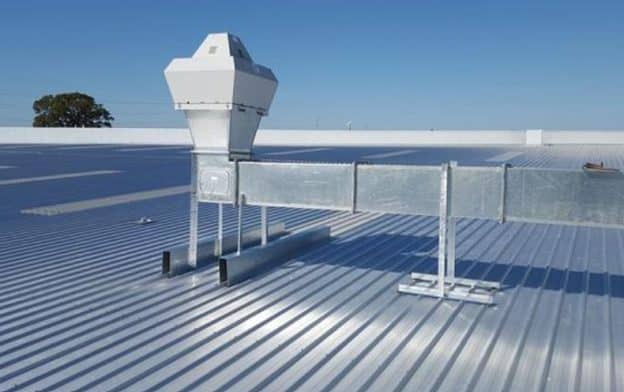
Commercial roofs are easy to overlook—until something goes wrong. For many businesses, the roof is out of sight and out of mind. Yet it plays a critical role in protecting assets, maintaining energy efficiency, and preventing costly disruptions. Unlike residential roofs, commercial roofing systems must withstand heavier wear, larger surface areas, and stricter compliance requirements.
Amid all, regular roof inspections are not just a maintenance task; they are a risk-management strategy. Hence, knowing what to look for during inspections helps businesses address minor issues early, extend roof lifespan, and avoid unexpected expenses.
Having said that, below are the key factors businesses should focus on when inspecting commercial roofs.
1. Structural Integrity and Surface Condition
The first priority during any commercial roof inspection is evaluating the overall condition of the roofing system. Even durable materials like metal can degrade over time due to weather exposure, thermal expansion, and normal wear.
Businesses should check for the following things:
- Visible dents, cracks, or punctures.
- Loose or displaced panels and fasteners.
- Signs of corrosion or surface deterioration.
- Areas where materials appear uneven or stressed.
On large commercial buildings, small defects can expand quickly if left unaddressed. What begins as a minor surface issue may eventually compromise structural stability or allow water infiltration.
Given how quickly minor defects can escalate, a metal roof inspection checklist provides a structured way to catch surface and structural issues early—before they compromise the building envelope. In fact, reliable companies like MAR Building Solutions often highlight these practical checks as part of regular commercial roof inspections, especially for larger facilities.
Ultimately, regular inspections help facilities teams catch these warning signs before they escalate into major repairs.
2. Drainage Systems and Water Management
Poor drainage is one of the most common causes of long-term roof damage. Standing water places unnecessary stress on roofing materials and increases the risk of leaks, corrosion, and structural fatigue.
This is why, during inspections, businesses should assess:
- Proper slope and water flow direction.
- Blocked or damaged drains and gutters.
- Ponding water after rainfall.
- Signs of water intrusion around seams or edges.
Drainage issues are often subtle at first. Without careful inspection, water may collect in low areas, gradually weakening the roof system. Addressing drainage problems early helps preserve the roof and reduces the likelihood of interior damage that can disrupt operations.
3. Fasteners, Seams, and Connection Points
Connection points are among the most vulnerable areas on commercial roofs. Fasteners, seams, flashing, and penetrations experience constant movement from temperature changes and wind exposure.
Some of the prominent key areas to examine include:
- Loose or missing fasteners.
- Separation at seams or joints.
- Worn or cracked flashing around vents and HVAC units.
- Gaps where materials meet walls or edges.
Because these issues are not always visible from the ground, thorough inspections are essential. Many roofing failures originate at connection points rather than across the main roof surface. Paying close attention to these details significantly reduces leak risk and extends system performance.
4. Documentation and Preventive Planning
Beyond physical checks on the roof itself, businesses must also focus on how inspection findings are recorded and reviewed over time. Roof inspections are not isolated events; they are part of an ongoing process that helps identify patterns of wear, recurring weak spots, and gradual performance decline. Without proper documentation, even thorough inspections lose much of their long-term value.
To ensure inspections lead to meaningful action, businesses should focus on:
- Recording inspection findings clearly and consistently.
- Comparing current observations with past inspection data.
- Identifying recurring problem areas rather than isolated defects.
- Using a structured approach to evaluate roof condition over time.
Ultimately, by standardizing inspections, businesses move from reactive repairs to proactive maintenance. This, as a result, saves money and reduces operational risk over time.
Why Regular Roof Inspections Matter for Businesses
Commercial roofs protect more than just the building—they protect equipment, inventory, employees, and business continuity. Unexpected roof failures can halt operations, damage assets, and create safety concerns.
Regular roof inspections support:
- Longer roof lifespan.
- Lower long-term maintenance costs.
- Fewer emergency repairs.
- Better compliance with insurance and safety requirements.
When businesses understand what to look for during inspections, they’re better equipped to make informed decisions about repairs, upgrades, and replacements.
To Sum It All Up!
Inspecting a commercial roof is not about finding problems, it is about preventing them. Structural condition, drainage performance, connection integrity, and consistent documentation all play a role in keeping roofing systems reliable and cost-effective.
By approaching roof inspections with a clear framework and trusted resources, businesses can protect their facilities, reduce risk, and support long-term sustainability. A well-maintained roof may not be the most visible investment, but it is one of the most important.