
In places where winter temps plummet far below freezing, it’s a lot more than just a convenience to have a reliable office furnace.
When commercial heating systems fail during harsh winters, the consequences can be disastrous in the form of damaged equipment, frozen pipes, lost business productivity and potential company closures.
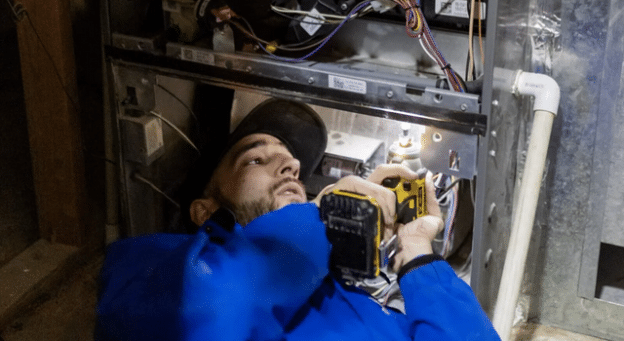
This is exactly why furnace maintenance in freezing climates has to include a much more proactive strategy in comparison to milder places. For example, Apex Clean Air’s furnace maintenance technicians in Park City, UT are renowned around the entire country for constantly supporting ski town home and business owners with a unique array of HVAC services that don’t generally apply to places that aren’t extremely cold.
We recently interviewed the Apex experts to learn more about what exactly is needed to maintain furnaces in cold areas, so check out the below sections to see what you can do to protect your tenants, buildings, and bottom line throughout the rest of this winter season!
Why Cold Climates Are Uniquely Harsh On Commercial Furnace Systems
Commercial furnaces in extremely cold climates always must work a lot harder and for prolonged spurts in comparison to systems found in milder areas.
Instead of occasionally cycling on and off, cold-weather furnaces are forced into running for several hours, if not days, at a time during cold snaps. This type of constant functionality inevitably imposes extra straining on vital components like heat exchangers, burners, electrical components and blowers.
Cold weather is also known to detrimentally impact things like ignition systems, fuel lines and outdoor air intake pipes. When these furnace parts get clogged by snow or ice, the system will start struggling to maintain efficiency—and in some scenarios, it’ll completely shut down.
Being Early With Pre-Winter Inspection Scheduling
Another huge part of cold-climate furnace maintenance is getting professional inspections scheduled long before winter even arrives.
A lot of offices and businesses will wait until the last minute or during the first cold spells of the season to get these inspections conducted, and this ends up being incredibly risky due to most HVAC companies being overwhelmed by emergency repairs and replacement calls.
A professional, pre-winter furnace inspection will always go a long way toward checking your system’s safety controls, cleaning burners, identifying worn components and testing airflow. Even the tiniest of issues might not matter at the beginning of the season, but they’ll easily balloon into expensive repairs if neglected for too long.
Ensuring Airflow & Filters Are In Check
It’s no secret how paper particles, dust, and all sorts of everyday debris are prone to building up quickly in office buildings.
What a lot of companies don’t realize is that dirty air filters will significantly restrict an HVAC system’s airflow, which then forces the furnace to more forcefully push warm air through ducts. And in cold climates, this type of added system straining can easily lead to efficiency issues, overheating and premature repairs.
This is why business teams and building managers have to take filter checking seriously by swapping them out on a monthly basis during the winter. Ensuring clear airflow will also lead to even building distribution, which prevents cold spots and offices that feel abnormally uncomfortable.
Protecting Intake & Vent Systems
Ice and snow are also known for blocking fresh air intake pipes and exhaust vents, and when this occurs, furnaces often shut down as a precaution.
This is why businesses in cold climates need to get these openings inspected and cleared on a routine basis, because this simple step ends up being an essential part of an office building’s maintenance routine.
Property managers also must take snow removal very seriously, particularly in areas that are close to HVAC vents.
Monitoring Energy Usage & Furnace Performance
A lot of today’s office buildings have building management systems that help companies track vital heating performance metrics. This is why business leaders need to constantly be on the lookout for unusual energy usage spikes or temperature fluctuations that might indicate furnace issues during harsh winters.
If you’re seeing that your furnace is struggling to maintain set temperatures or is running much longer than usual, it could mean that you’re dealing with issues like failing components, dirty parts or airflow restrictions.
By quickly addressing these issues, businesses can prevent much more disastrous system failures during the coldest days of the season!
Planning For Emergency Furnace Maintenance Support
If your office is located in a particularly cold region, it’s always best to have a backup plan just in case your existing furnace maintenance strategy just isn’t quite enough to handle the ongoing elements.
This is particularly important for large offices that require multiple furnace units, because having a redundancy plan in mind can help keep things going when one system fails.
And your best bet will generally be to have an emergency support contract lined up with your local HVAC service provider, because you won’t want to wait several days for a furnace repair when temperatures are extremely low.
Ensuring A Reliable, Warm Workplace Through Each Winter
Furnace maintenance is about so much more than simply keeping the heat on in freezing climates, because it’s also about thoroughly protecting your valuable office environment.
Clear vents, clean filters, proactive inspections, and all sorts of careful system monitoring all combine together to ensure that office buildings are efficient, safe and comfortable all winter long.
And with the right furnace maintenance strategies set in stone, office managers and business owners can tackle even the harshest of winters with the utmost confidence in knowing that their heating system is ultimately ready for any challenge Mother Nature throws its way!
