
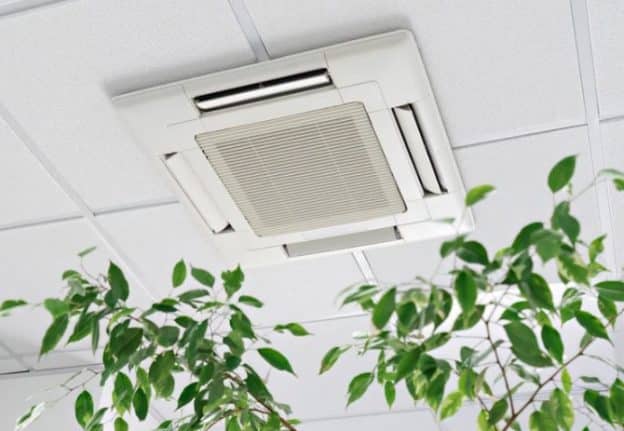
Indoor air quality is not something most commercial property owners think about until a problem comes to their attention. A tenant starts complaining about odors, employees report headaches or respiratory irritation, or a prospective buyer asks questions about past water damage. Suddenly, something that seemed like a maintenance issue becomes a leasing, liability, or even a crippling transaction issue.
The reality is that indoor air quality can affect how a commercial property performs in the marketplace. While poor air quality does not automatically reduce a building’s value, it can influence occupancy rates, tenant retention, operating costs, due diligence findings, and buyer perceptions. In today’s commercial real estate environment, those factors matter.
Why Indoor Air Quality Has Become a Commercial Real Estate Issue
Tenants Have Different Expectations Post-Pandemic
The pandemic changed how many businesses think about buildings. Ventilation systems, air filtration, fresh air exchange, and occupant health became topics that moved from facilities departments into executive offices.
Many companies now ask questions about building systems before signing leases. Employees who spend forty or more hours each week in an office want confidence that the environment is healthy and well maintained. Property owners who can demonstrate good building management often have an easier time attracting and retaining quality tenants.
Healthy Buildings Have Become a Competitive Advantage
Several studies have linked indoor environmental quality with workplace performance and employee satisfaction. Researchers affiliated with the Harvard T.H. Chan School of Public Health’s Healthy Buildings program have published findings showing that improved ventilation and indoor environmental conditions may support cognitive function and workplace productivity.
Whether a building owner agrees with every study or not, one thing is clear: tenants increasingly care about the quality of the space they occupy. Buildings with documented environmental issues often face more questions during leasing and sales discussions than comparable buildings without those concerns.
How Poor Indoor Air Quality Can Affect Commercial Property Value
Lower Occupancy and Higher Tenant Turnover
Commercial real estate values are heavily influenced by income. When tenants leave because of recurring building issues, occupancy declines and revenue suffers.
A single tenant complaint may not affect value. Repeated complaints, unresolved odors, or documented environmental problems can become part of a building’s reputation. Prospective tenants may look elsewhere, and existing tenants may decide not to renew.
Reduced Marketability During Sales
Sophisticated buyers conduct extensive due diligence before acquiring commercial properties. If a building has a history of mold issues, water intrusion, or air quality complaints, buyers often request additional documentation.
Even when problems have already been addressed, the transaction can become more complicated. Buyers may negotiate for credits, request additional inspections, or seek price reductions to account for perceived risk.
Capital Improvements Buyers May Anticipate
Indoor air quality concerns sometimes point to larger building issues. Buyers may anticipate future expenses related to HVAC upgrades, moisture control, roof repairs, building envelope improvements, or mold remediation.
When investors begin factoring these costs into their underwriting, property values can be affected.
Insurance and Risk Considerations
Insurance carriers are increasingly focused on risk management. A property with documented moisture issues, repeated claims, or unresolved environmental concerns may receive additional scrutiny during underwriting.
While every insurer approaches risk differently, maintaining good building conditions helps avoid questions that could complicate coverage discussions.
Common Indoor Air Quality Problems Found in Commercial Buildings
Mold Growth and Moisture Intrusion
Mold remains one of the most common indoor air quality concerns in commercial buildings. Roof leaks, plumbing failures, HVAC condensation, foundation seepage, and poor drainage can all create conditions that support mold growth.
We reached out to Tom Moore, Founder of Mold Testing LLC in New Jersey, for his opinion He explains,
“Most commercial mold problems don’t begin with a big event, like a Sandy-esque hurricane or storm. They start with a small moisture issue that goes unnoticed for months, and by the time someone notices an odor or health complaint, the mold has often been growing behind walls or above ceilings for quite some time.”
This is one reason why many property owners investigate water issues aggressively, even when visible damage appears limited.
Poor Ventilation and Stale Indoor Air
Ventilation systems play a major role in maintaining indoor air quality. Buildings that lack sufficient outdoor air exchange can experience stale conditions, occupant complaints, and elevated concentrations of indoor pollutants.
Elevated Carbon Dioxide Levels
Carbon dioxide is not typically considered a contaminant in the traditional sense, but elevated levels can indicate inadequate ventilation. Crowded office environments, conference rooms, and training facilities often experience temporary spikes when fresh air circulation is limited.
Volatile Organic Compounds (VOCs)
Many building materials and products release volatile organic compounds. Paints, adhesives, flooring materials, furniture, and cleaning products can all contribute.
After renovations or tenant improvements, VOC testing is sometimes performed to evaluate indoor conditions.
Particulate Matter and Dust
Dust accumulation, inadequate filtration, and poor HVAC maintenance can contribute to elevated particulate levels. These particles may affect occupant comfort and contribute to complaints regarding indoor air quality.
What Happens During Commercial Property Due Diligence?
Environmental Site Assessments Versus IAQ Testing
Many investors are familiar with Phase I Environmental Site Assessments. However, those evaluations generally focus on environmental contamination concerns such as hazardous materials or historical site use.
Indoor air quality testing serves a different purpose. It evaluates current indoor environmental conditions within the building itself.
What Sophisticated Buyers Often Investigate
Commercial buyers frequently review maintenance records, HVAC service history, roof repair documentation, tenant complaints, and prior water damage events.
If concerns arise, additional mold testing or indoor air quality assessments may be recommended.
Situations That Commonly Trigger Testing
Persistent odors, visible staining, previous flooding, recurring tenant complaints, and prior remediation work often prompt buyers or owners to seek additional testing.
Who May Evaluate Indoor Air Quality?
Prospective Buyers and Investors
Investors want to understand risk. Environmental concerns can affect both acquisition decisions and future operating expenses.
Commercial Tenants
Large tenants frequently perform their own due diligence before occupying space, particularly when employee health concerns are involved.
Property Managers and Asset Managers
Property managers often use indoor air quality testing to investigate complaints and document building conditions.
Insurance Companies
Insurers may review environmental issues when evaluating risk profiles and claims history.
Government and Regulatory Agencies
Certain industries face additional oversight regarding workplace conditions. Depending on the building type and occupancy, regulatory agencies may become involved when complaints arise.
Are Commercial Building Owners Legally Responsible for Indoor Air Quality?
OSHA Considerations
The Occupational Safety and Health Administration does not maintain a comprehensive indoor air quality standard for most office environments. However, employers remain responsible for providing workplaces free from recognized hazards under OSHA’s General Duty Clause.
State and Local Requirements
Requirements vary by jurisdiction. Certain states and municipalities maintain additional regulations related to mold, building maintenance, or workplace conditions.
Property owners should consult legal counsel regarding specific compliance obligations.
Lease Obligations and Tenant Disputes
Many commercial leases contain provisions regarding building maintenance, habitability, and operating conditions. Environmental concerns can become part of lease negotiations or disputes if not addressed promptly.
What Does Commercial Indoor Air Quality Testing Cost?
Typical IAQ Testing Costs
Costs vary depending on building size, testing scope, and the number of samples collected.
A small office may spend between $500 and $1,500 for basic testing. Mid-sized commercial buildings often fall between $1,500 and $5,000. Large facilities or multi-tenant properties may require more extensive evaluations.
Mold Testing Costs
Mold testing costs depend largely on sample quantity. Air samples, surface samples, moisture investigations, and laboratory analysis all influence final pricing.
Testing Is Usually Less Expensive Than Remediation
Many property owners view testing as a form of risk management. Identifying a problem early is often far less expensive than addressing widespread contamination months later.
What Commercial Mold Testing Typically Includes
Air Sampling
Air samples measure spore concentrations and compare indoor conditions with outdoor baseline levels.
Surface Sampling
Surface samples identify mold species present on visible growth or suspect materials.
Moisture Mapping
Moisture meters help identify areas where hidden water may be supporting mold growth.
Thermal Imaging
Infrared cameras can help identify temperature anomalies associated with moisture intrusion.
Laboratory Analysis and Reporting
Samples are analyzed by accredited laboratories, and results are compiled into a report explaining findings and recommendations.
Steps Building Owners Can Take to Protect Property Value
Address Water Intrusion Quickly
Small leaks rarely remain small. Prompt repairs help prevent larger issues from developing.
Maintain HVAC Systems
Regular maintenance supports airflow, filtration, and moisture control.
Monitor Humidity Levels
Indoor humidity management remains one of the most effective mold prevention strategies available.
Document Repairs and Testing
Good records can be valuable during transactions, insurance discussions, and tenant negotiations.
Consider Periodic Indoor Air Quality Evaluations
Routine testing is not necessary for every building every year. However, periodic evaluations can help identify developing issues before they become expensive problems.
Final Thoughts
Indoor air quality may not appear on a property’s rent roll or balance sheet, but it can influence many of the factors that drive commercial real estate value. Tenant retention, occupancy rates, operating expenses, due diligence findings, and future capital improvements all connect back to building conditions.
Most indoor air quality concerns are manageable when identified early. The challenge comes when moisture problems, ventilation deficiencies, or mold growth remain unnoticed for extended periods.
For commercial property owners, testing and documentation provide something valuable: information. And in real estate, good information often leads to better decisions.