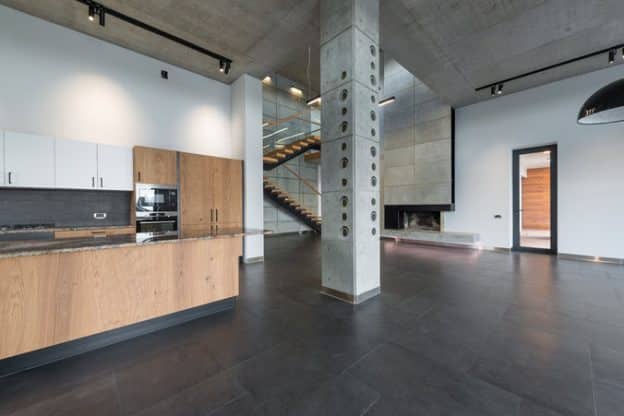
Commercial facilities need floor surfaces that can handle daily foot traffic and heavy machinery. Choosing durable floor materials protects initial capital investments and maintains daily operational speed in industrial settings. Commercial operations run smoother when foundational surfaces hold up under intense activity.
Facility planners need surface options that resist liquid spills, chemical exposure, and heavy impacts. Smart material choices reduce long-term maintenance needs and repair costs across busy facilities. Smart planning guarantees smooth floor performance year after year.
Understanding Heavy Duty Flooring Requirements
Heavy commercial environments demand specialized surface products designed to withstand heavy loads and constant vehicle traffic. Logistics hubs, processing centers, and retail stores place intense stress on underlying floor structures every single day. Facility managers prioritize robust surface selections to maintain structural integrity across high-traffic pathways. High-performance materials protect the base concrete from deep cracking under heavy stress.
Facility managers prioritize materials that maintain structural integrity under constant mechanical loads. Specifying options such as high-performance ceramic tiles provides reliable protection against structural wear across high-traffic zones. Business operations depend on surface materials that won’t crack or shift under heavy forklift traffic. Choosing resilient products keeps facility floors safe and visually clean across busy work shifts.
Operations managers examine detailed site conditions before selecting final flooring products. Analyzing anticipated physical loads helps site leaders avoid structural fractures and premature replacement expenses. Careful planning creates stable foundations suited to demanding industrial operations.
Evaluating Material Strength and Resistance
Material density determines how well flooring handles rolling loads and concentrated weight drops without cracking. High-density surface choices resist heavy point loads without fracturing or showing visible wear lines. Industry reports indicate that the ceramic segment will capture 29.5 percent of the commercial floor market in 2026 thanks to exceptional durability and flexible design options. These figures highlight growing trust in dense surface materials across commercial sectors.
Chemical exposure creates severe physical challenges within food processing plants and commercial manufacturing buildings. Floor surfaces must resist harsh sanitizers and organic acids without discoloration or physical breakdown. Low-porosity materials prevent liquids from penetrating deep into floor substrates.
Resistant materials protect structural concrete underneath from chemical corrosion. Thermal shock resistance represents another critical operational factor in temperature-controlled commercial buildings. Industrial freezers and hot washdown areas require surface materials that accommodate rapid temperature swings without cracking.
Selecting Options for Industrial Facilities
Industrial facilities require strict material performance criteria to maintain workplace safety and operational efficiency. Comparing core physical properties helps facility managers select flooring options that perform reliably under harsh working conditions. High-standard materials keep worker pathways secure and operational areas clean.
Core physical properties required for industrial surface materials include:
- High load-bearing capacity engineered to support heavy forklift movement
- Superior chemical resistance against corrosive cleansers and industrial acids
- Minimal water absorption rates to prevent internal subfloor damage
- High abrasion resistance designed to endure continuous heavy traffic
Facility planners who focus on these key physical properties achieve superior operational stability over long timeframes. Matching material characteristics directly to workplace environments prevents sudden surface failures. Proper product selection keeps industrial operations running smoothly without unexpected floor repairs.
Comparing Safety Features and Slip Ratings
Surface traction remains a core safety consideration across commercial production zones and public walkways. Standardized slip resistance ratings assist facility planners in specifying appropriate surface finishes for wet or oily environments. Proper friction levels prevent workplace slips and keep employee walkways safe during daily operations.
Modern production technology allows manufacturers to incorporate advanced texture profiles into heavy-duty surface products. Industry design forecasts indicate ceramic choices will solidify their role as foundational elements in commercial projects in 2026. Textured designs provide secure footing for workers without creating difficult cleaning challenges.
Engineered surface patterns improve worker safety across high-moisture operational zones. Integrated drainage systems work with slip-resistant surfaces to keep floor areas clean and safe. Proper floor slopes direct liquid runoff away from main walkways and workstations.
Factoring Life Cycle Costs into Decisions
Initial material expenses represent only a small fraction of total flooring costs over a building lifetime. Experienced managers evaluate long-term maintenance costs, repair frequencies, and product longevity before making procurement decisions. Smart planning focuses on long-term financial outcomes rather than upfront prices alone.
High-quality surface materials offer exceptional resistance to daily wear over decades. Comprehensive research confirms that quality ceramic installations last 30 to 50 years with proper installation and regular maintenance. Longer product lifespans reduce frequent renovations and costly business interruptions. Durable materials protect capital investments throughout a building’s service life.
Routine cleaning demands directly impact long-term operational expenditures across commercial buildings. Non-porous surface options require fewer specialized chemicals and lower labor time during routine maintenance cycles. Lower ongoing maintenance requirements generate substantial cost savings over the building’s life.
Professional Installation Procedures and Maintenance
Proper installation methods directly dictate how effectively commercial flooring withstands decades of severe physical use. Trained installation crews apply specialized mortars and chemical-resistant grouts designed for high-stress industrial environments. Correct installation techniques prevent premature bond failures under heavy mechanical loads.
Subfloor preparation requires careful leveling and deep surface cleaning before laying high-strength surface products. Unaddressed subfloor imperfections create high stress points that lead to surface cracking under heavy vehicle loads. Precise subfloor preparation creates balanced weight distribution across every square meter of floor.
Thorough prep work provides a stable foundation for long-term material performance. Routine care protocols maintain original slip resistance attributes and surface cleanliness over long service periods. Daily sweeping and mechanical scrubbing remove gritty particles before abrasion damages the surface finish.
Modern Design Aesthetics for Commercial Spaces
Visual appearance plays a meaningful role in commercial facilities where clients and business partners enter regularly. High-performance durability does not require facility managers to compromise on clean, attractive visual design standards. Modern manufacturing delivers strong visual options that complement clean architectural styling.
Popular aesthetic choices for modern commercial facilities include:
- Neutral grey and charcoal color palettes suitable for modern industrial interiors
- Matte surface finishes that minimize light glare across large workspace areas
- Modular layout patterns that visually separate distinct operational work zones
- Customized color schemes aligned with corporate branding and visual identity
Thoughtfully chosen surface designs create professional work environments that impress visiting clients and employees alike. Coordinating floor patterns with broader architectural features yields a cohesive visual style throughout large facilities.
Selecting heavy-duty commercial flooring requires balancing durability, safety ratings, and ongoing maintenance needs. Evaluating precise operational needs guides site managers toward materials that deliver lasting reliability. Careful evaluation guarantees floor choices support long-term business goals.
Investing in resilient floor choices protects facility infrastructure and elevates long-term property value. Careful product selection guarantees commercial spaces remain functional, safe, and visually appealing for decades to come. Premium floor investments pay off through continuous operational productivity.