
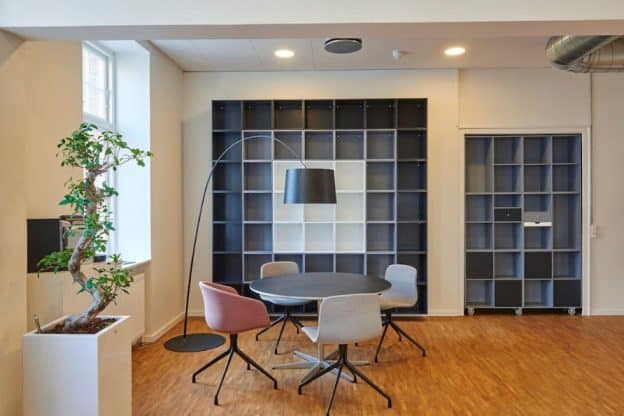
We spend a large proportion of our adult lives at work, and for many, that means eight plus hours a day in the office. If you are lucky enough to work in a well-designed environment, you’ll understand the impact it has on your day. On the flip side, we’ve all experienced a workplace setting that is so poorly put together, we can’t wait to leave.
So, what’s the secret to a more inviting and functional office space? Perhaps it’s the sustainable, reclaimed shelves, fixed to chic, bare brick walls, or maybe the Bauhaus-style meeting room furniture. One thing’s for sure, offices deserve the same thoughtful interior design as our homes. Seen as we spend so much time there.
What Does Your Workforce Need From an Office Space?
Employees have certain expectations from their workspace, whether they share an open-plan office or have a private one. There are certain amenities you need to provide your workforce in order for them to be productive and happy. Scrimp and save on the basics, and you might find your employee retention rates drop drastically.
From adequate lighting to on-site bathroom and kitchen facilities for comfort breaks, there are many components to consider when putting together the perfect office space. So, let’s unpack the key design elements that form a functional and inviting office space.
Open vs. Closed Layout
Whether you are team open planned or prefer private office spaces, there is a place for both types of layouts. Open-plan offices are designed in such a way as to encourage collaboration and make it easy for team members to ask questions. They also help to dissolve hierarchical structures, creating a more equal work environment.
Private offices are preferred by employees who require quiet and zero distraction, or who work with sensitive information. In both these cases, an open-plan office wouldn’t be suitable. Most successfully-run offices have a combination of open and closed areas. By including both open and private areas, your office caters to all working styles and tasks.
Ergonomic Furniture Solutions
Comfort is the top priority for workers, as sitting at a desk all day can take its toll on the human body. Investing in high-quality ergonomic furniture that fits the human body shows your employers that you value them and the work they do.
What’s more, providing your employees with ergonomically designed furniture means that they are less likely to experience aches and pains. Non-adjustable chairs and desks result in their users hunching over and straining, which is one of the major causes of musculoskeletal disorders. In turn, this translates to staff taking more sick days and affecting productivity.
How Lighting Sets the Tone
Harsh, flickering fluorescent lighting is not only distracting, but it can also cause headaches and eye strain. This can impact employee health and productivity. Good lighting, however, can have the opposite effect. Well-lit yet soft lighting creates a calm ambience whilst still providing sufficient brightness for employees to do their job.
The Power of Color Psychology
Color can affect our mood and provoke certain feelings. Traditionally, offices have adopted neutral tones such as white, beige, and grays. However, times and tastes are changing. Color is being included in office interior design to positively influence employees.
For example, blues and greens are associated with calm and are popular choices for break rooms and non-working spaces. Whereas, go-getting reds and oranges may suit meeting rooms, encouraging confidence and decisiveness. A splash of color can also make an office space feel less sterile and more welcoming to outside guests.
Materials Matter
The materials used for furniture, such as storage units and desks, can also transform an office environment from a clinical space to an inviting hub. By simply including warm-toned wooden office furniture, plain white walls and cubicles can be softened.
The natural grain of wood also introduces a grounding, organic element to office interiors. When you spend all day in a man-made environment, being able to connect with natural materials can feel almost therapeutic.
Spaces That Support Sustainability
It’s not only the materials that can make a difference. Where these materials come from matters. This is especially true for offices hoping to hit their sustainability targets. Using reclaimed wood and recycled plastics gives these materials a second life. Too many pieces of furniture end up in landfills every year, so this is a way for businesses to do their bit for the environment.
Designed With People in Mind
Ultimately, creating a functional and inviting office space is about understanding the people who will use it day in, day out. When you design with people in mind, the elements listed above will all slot into place. The result is layout, lighting, furniture, and color choices that create a working environment that encourages employees to give their all.
