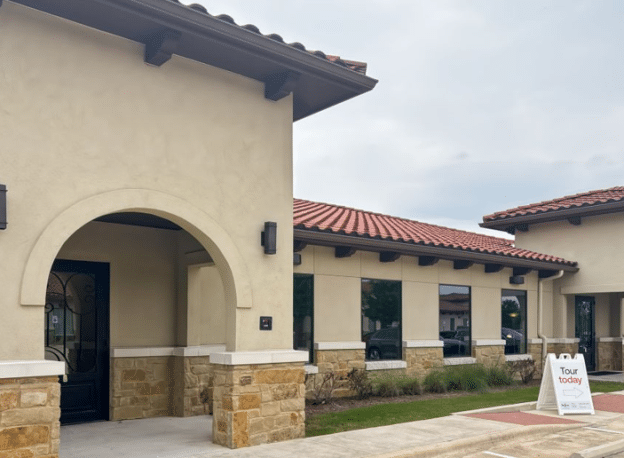
Leasing an office building is a major commitment. Location, rent, parking, and available space usually receive the most attention, but the physical condition of the property can be just as important. One area that is easy to overlook is the foundation.
Foundation problems are not always obvious during a walkthrough. A property may look recently renovated while still showing subtle signs of structural movement. Knowing what to look for can help you identify potential concerns before signing a lease.
Look Beyond Cosmetic Improvements
Fresh paint, new flooring, and updated fixtures can make an office attractive, but they do not necessarily reveal the condition of the building underneath.
Take time to examine walls, ceilings, door frames, floors, and exterior surfaces. Foundation movement can affect several areas of a building, so warning signs may appear far from the actual foundation.
Check Walls for Cracks
Cracks are one of the more noticeable signs of possible foundation movement. Small cracks can develop naturally as buildings age, but certain patterns deserve additional attention.
Look for diagonal cracks around doors and windows, cracks along drywall seams, or cracks that appear in several areas of the building. Multiple cracks may be worth investigating further, particularly if previous repairs are visible.
Test Doors and Windows
Open and close several doors and windows while touring the property. Doors that stick, swing open unexpectedly, or do not fit evenly inside their frames may indicate that the building has shifted.
One difficult door is not necessarily a concern. However, several misaligned doors or windows combined with wall cracks or uneven floors may indicate a larger issue.
Pay Attention to Uneven Floors
Walk slowly through different areas of the office and notice whether the floors feel sloped, uneven, or unusually soft.
Commercial flooring can sometimes conceal changes in the surface underneath. Furniture or cabinets that noticeably lean may also indicate an uneven floor. There are many possible causes, but significant differences in floor elevation should be investigated before committing to the property.
Inspect the Building Exterior
A quick exterior inspection can reveal issues that are difficult to see from inside. Look for cracks in brick, concrete, masonry, or other exterior materials.
Stair step cracks along brick mortar, gaps around windows, and separation between different building materials may indicate movement. Examine any visible portions of the foundation for cracking or displacement as well.
Watch for Drainage Problems
Water management around a commercial building can influence soil conditions surrounding the foundation. Look at gutters, downspouts, landscaping, pavement, and the grading around the property.
Water should generally drain away from the structure rather than collect beside it. Standing water, erosion, damaged gutters, or consistently wet areas near the building may indicate poor drainage that deserves further investigation.
Look for Previous Repairs
Previous foundation repairs do not automatically mean a property should be avoided. Proper repairs may mean that an earlier problem has already been addressed.
Look for patched cracks, repaired masonry, recently replaced drywall, or flooring that appears newer than surrounding areas. Ask the property manager whether foundation or structural repairs have previously been completed and whether documentation or warranties are available.
Look for Gaps and Separation
Structural movement can sometimes create gaps between different parts of a building. These may appear where walls meet ceilings, around window frames, between floors and walls, or along exterior surfaces.
Small gaps can develop for many reasons, but multiple areas of separation may justify a closer inspection, especially when they appear alongside other warning signs.
Ask About the Building’s History
Before signing a lease, ask about the property’s maintenance and repair history. Find out whether the building has experienced foundation movement, major plumbing leaks, drainage problems, water intrusion, or previous structural work.
Repair records and inspection reports can provide valuable context and help you understand whether past problems were properly addressed.
Consider the Impact on Your Business
Foundation issues can become more than a building maintenance concern. Significant repairs may require flooring removal, restricted access, equipment relocation, or temporary closure of certain areas.
It is also important to understand who is responsible for structural repairs under the lease. Commercial lease agreements vary, so responsibilities should be clearly defined before you commit to the space.
Consider a Professional Evaluation
You do not need to determine whether a building has foundation problems yourself. Your walkthrough should simply help identify warning signs that deserve additional investigation.
If you notice widespread cracking, uneven floors, sticking doors, exterior separation, drainage problems, or evidence of previous structural repairs, requesting a professional evaluation can provide additional information before signing the lease.
Conclusion
Choosing an office building involves more than comparing rent, location, and available space. Paying attention to cracks, uneven floors, misaligned doors, drainage conditions, and previous repairs can help uncover potential foundation concerns before they become your problem. When warning signs are present, an evaluation from a foundation professional such as Pinnacle Foundation Repair can provide additional insight into the property’s condition. Investigating these concerns before signing a lease can help you make a more informed decision and avoid unexpected disruptions after moving in.