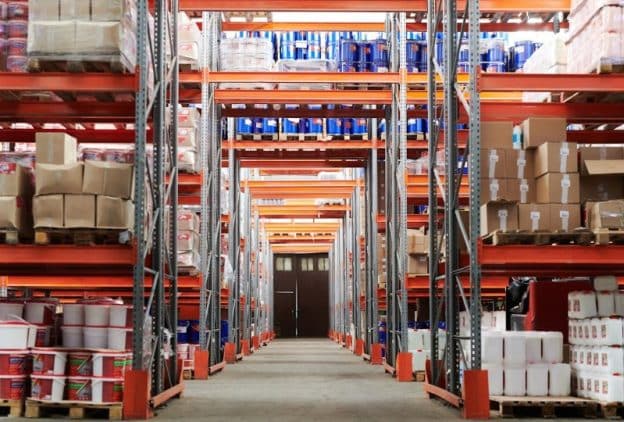
Warehouses constantly juggle efficiency and safety. Moving goods quickly through receiving, storage, and dispatch keeps customers satisfied and operations running well.
But if speed comes without the right structure, it can create the same hazards that Australian workplace safety rules aim to prevent. These risks include unstable loads on racks, falling items in busy areas, and a gradual build-up of clutter that increases the likelihood of accidents.
Storage cages address both efficiency and safety issues simultaneously. They keep goods secure, stack easily, fit with existing racking systems, and add structure that loose or shrink-wrapped pallets often lack. For warehouse managers seeking to meet throughput goals while maintaining safety, pallet cages are a smart investment.
Better Containment Improves Space Efficiency
Storage cages make it easier to maximize vertical storage capacity within racking systems. Because they keep loads secure, racking beams can be set closer together. You do not need extra space above each pallet for shifting, as the cage prevents movement. This allows more pallets to fit within the same footprint, increasing capacity without expanding the facility.
Stacking pallet cages saves even more space in high-density storage environments. Collapsible cages can be stacked when empty, using significantly less room than rigid containers. Facilities that rely on large cage volumes can store empties efficiently rather than occupying valuable floor space with unused materials.
The Safety Benefits Are Clear
Storing goods high on pallet racks presents risks for workers below. Shrink-wrapped pallets may shift during handling, causing items to protrude or fall through racking.
Loose items stacked on flat pallets without containment become more hazardous with each handling cycle. Every forklift movement, pallet repositioning, or vibration from nearby traffic increases the likelihood of load instability.
Storage cages enclose goods with strong mesh or solid panels, preventing movement, spills, or protrusions. Their robust construction provides longer-lasting protection compared to temporary wrapping.
Items stored within a pallet cage remain secure until intentionally removed, regardless of how often the cage is moved, stacked, or repositioned within the warehouse.
Secure Contents Mean Faster Handling
Forklift operators can work more efficiently when loads are stable and contained. With unstable or loosely wrapped pallets, operators must slow down, navigate carefully, and frequently check load integrity. Over time, these precautions reduce overall productivity.
With caged loads, operators can maintain consistent handling speeds because load stability is assured.
The time savings extend beyond transport. Storage cages reduce the need for wrapping, strapping, or manually restacking items to maintain stability. Items are placed in the cage, loaded onto a forklift, and positioned directly into racking. This simplified process reduces handling time and minimizes the risk of human error.
Versatile Uses Across Industries
Storage cages are used across a wide range of industries beyond traditional warehousing. Construction sites rely on them to secure materials and tools, particularly where loose storage increases trip hazards or theft risk.
Manufacturing facilities use storage cages to manage parts between production stages. Retail distribution centers use them for order picking and product movement, helping prevent damage and product mix-ups.
There are multiple cage configurations available, including full mesh designs for visibility, solid panels for dust protection, half-height options for heavy goods, and collapsible designs for return logistics. This variety allows facilities to select cage types that align with specific operational needs rather than relying on a single solution.
Compliance Helps Create Safer Workplaces
Australian workplace health and safety regulations require businesses to manage risks associated with stored goods, particularly at height. Using storage cages that meet recognised engineering and load-rating standards demonstrates that a business has taken structured steps to control storage-related hazards.
This is especially relevant during safety audits, incident investigations, and regulatory reviews following workplace incidents.
Compliance also extends to transport requirements. Goods moving between facilities must be properly restrained during transit. Storage cages designed to meet transport restraint standards support safer loading practices and reduce the risk of load shift during road transport.
Return on Investment Is Fast and Clear
Storage cages are typically a modest investment per unit and can deliver measurable returns in safety, efficiency, space utilization, and compliance. Facilities that monitor handling times, incident rates, and storage density before and after implementation often report consistent operational improvements.
From an operational perspective, reducing manual handling risks and improving load stability can also lower indirect costs associated with workplace injuries, downtime, and damaged goods.
In warehouse environments where margins depend on throughput and safety incidents carry long-term financial consequences, storage cages represent a practical and effective upgrade.
Adding Structure to Modern Warehousing
As warehouse demands increase, solutions that support both safety and efficiency become more critical. Storage cages provide consistency and control, improving how goods are stored, handled, and protected across different operational environments. They do more than contain items. They help create a more organized, resilient, and future-ready operation.