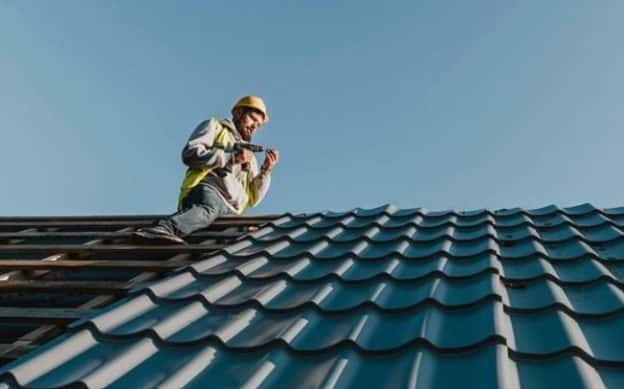
Choosing the right contractor is one of the most important decisions you’ll make for your building.
Whether you need repairs, maintenance, or a full replacement, knowing how to choose a good commercial roofing contractor can save you time, money, and long-term headaches.
In this guide, we’ll walk through what to look for, what to avoid, and how to confidently hire the right professional for your project.
Why Choosing the Right Contractor Matters
Commercial roofing systems are more complex than residential roofs. They involve:
- Flat or low-slope systems (TPO, EPDM, PVC)
- Drainage and waterproofing considerations
- Large surface areas
- Strict building codes and safety requirements
Hiring the wrong contractor can lead to leaks, premature failure, and costly repairs.
1. Look for Proper Licensing and Insurance
A reputable contractor should always have:
- Valid state or local licensing
- General liability insurance
- Workers’ compensation coverage
This protects both your property and the workers on-site. Never hire a contractor who cannot provide proof of insurance.
2. Check Experience with Commercial Roofing
Not all roofers specialize in commercial projects.
Make sure the contractor has experience with:
- Flat roofing systems
- Large-scale installations
- Commercial-grade materials
- Similar buildings to yours
For example, working with a New Jersey commercial roofing company that understands regional weather conditions and building codes can make a significant difference in quality and compliance.
3. Review Past Projects and References
A reliable contractor should be able to provide:
- Photos of completed projects
- Client references
- Case studies or project summaries
Ask about similar jobs they’ve completed and follow up with references when possible.
4. Get Multiple Detailed Quotes
Don’t settle for the first estimate. Get at least 2–3 quotes and compare:
- Scope of work
- Materials used
- Timeline
- Warranty coverage
- Total cost
Be cautious of unusually low bids—they may cut corners or use lower-quality materials.
5. Understand the Materials They Use
A good contractor should clearly explain your options, including:
- TPO, EPDM, or PVC roofing systems
- Insulation choices
- Energy-efficient solutions
- Durability and lifespan
They should help you choose materials based on your building’s needs, not just price.
6. Ask About Warranties
There are typically two types of warranties:
- Manufacturer warranty (covers materials)
- Workmanship warranty (covers installation)
Make sure you understand:
- What’s covered
- How long coverage last
- What could void the warranty
Strong warranties are a sign of a confident and reputable contractor.
7. Evaluate Communication and Professionalism
Pay attention to how the contractor communicates:
- Do they respond quickly?
- Are they clear and transparent?
- Do they answer your questions thoroughly?
Good communication is essential for a smooth project from start to finish.
8. Check Online Reviews and Reputation
Look at reviews on platforms like:
- Yelp
- Better Business Bureau
Focus on patterns—not just one or two reviews. Consistent positive feedback is a strong indicator of reliability.
9. Ask About Safety Practices
Commercial roofing projects can be hazardous. A professional contractor should follow strict safety standards, including:
- OSHA compliance
- Fall protection systems
- Proper training for workers
Safety is not just about workers—it also protects your property and liability.
10. Avoid Common Red Flags
Be cautious if a contractor:
- Demands full payment up front
- Lacks proper documentation
- Offers vague or incomplete estimates
- Has no local presence or references
- Uses high-pressure sales tactics
These are signs you may want to look elsewhere.
Questions to Ask a Commercial Roofing Contractor
Before hiring, ask these key questions:
- How long have you been in commercial roofing?
- What types of roofs do you specialize in?
- Can you provide references from similar projects?
- What warranties do you offer?
- What is the estimated timeline?
- How do you handle unexpected issues?
Their answers will help you gauge experience and professionalism.
Conclusion: Choosing the Right Commercial Roofing Contractor
Knowing how to choose a good commercial roofing contractor comes down to doing your research and asking the right questions.
Focus on experience, licensing, transparency, and reputation to ensure you’re hiring a contractor who will deliver quality work.