
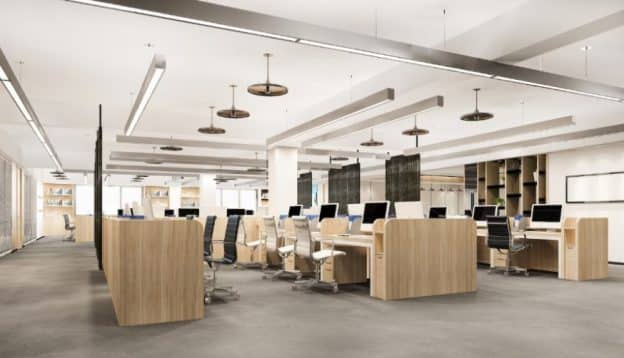
Choosing the right office space is one of the most important decisions a business can make, especially during periods of growth. The workspace you choose will influence far more than just where your employees sit each day. It affects productivity, collaboration, company culture, operational efficiency, and even the way clients and partners perceive your brand.
For many businesses, leasing an office is a major milestone. It often signals that the company is expanding, hiring, or moving into a more established phase. At the same time, office leasing is also a financial and strategic commitment, and choosing the wrong space can lead to unnecessary stress, wasted budget, or frequent relocations.
The best office space is not always the biggest or the most expensive. It is the one that fits your team’s needs, supports daily operations, and provides flexibility for the future.
This guide will walk you through the key factors to consider, enabling you to make a confident and well-informed decision about your office space.
Take Advantage of Engaging a Tenant Representative
One of the most valuable steps you can take is engaging a dedicated Tenant Representative, like thoise at OfficeFinder. A skilled rep brings deep market insight, strategic negotiation expertise, and a clear understanding of your operational needs—ensuring you secure the right space on the best possible terms. With a professional advocate in your corner, the entire process becomes more efficient, less stressful, and far more advantageous for your business.
Make Sure You Have a Clear Understanding of Your Business Requirements
Before touring office buildings or browsing listings online, it is essential to take a step back and define what your business truly needs from a workspace.
Just as users approach well-known digital platforms such as sweet bonanza with a clear intent, enterprises benefit from clearly defining their office space requirements before starting the search.
Every company operates differently. A creative agency may thrive in an open environment that encourages brainstorming and teamwork, while a consulting firm may require private offices and quiet meeting rooms.
Consider How Much Space Your Team Truly Needs
Office size is not only about square footage. It is about functionality, comfort, and how effectively the space supports daily work.
A growing business should consider the full range of workspace needs, including desk areas, meeting spaces, storage, and employee amenities. Crowded environments can reduce focus and increase stress, while oversized offices can lead to wasted budget and unnecessary overhead.
Modern office planning also looks at how employees use the space throughout the day. Many teams benefit from a balance of workstations, collaborative areas, quiet zones, and flexible meeting rooms.
It is also helpful to think about whether your office will be used mainly for daily work or primarily as a hub for meetings, culture-building, and collaboration in a hybrid model.
Build a Budget That Reflects the Full Cost of Leasing
Office space is often one of the largest ongoing expenses for a business, so setting a realistic budget is essential.
Many business owners focus mainly on the monthly rent, but office leasing involves additional costs that should be planned for in advance. These can include utilities, internet, cleaning services, insurance, furniture, maintenance fees, and security deposits.
Some office spaces may also require renovations or build-outs, depending on the layout and your operational needs. Moving expenses, signage, technology setup, and ongoing repairs can also impact total cost.
A strong office budget balances affordability with long-term comfort. The goal is not simply to choose the cheapest option, but to find a space that supports growth without creating financial strain.
Choose a Location That Supports Employees and Clients
Location is one of the most strategic elements of choosing office space. A great office in the wrong location can create daily challenges, while the right location can improve satisfaction, credibility, and business performance.
Employee commute time is a major factor. Long or difficult commutes can reduce morale and contribute to burnout. Offices that are accessible by public transportation or located near major roads often provide greater convenience.
Client accessibility is also important, especially for businesses that host meetings regularly. A professional and easy-to-reach location strengthens your business image and makes interactions smoother.
Nearby amenities such as restaurants, cafés, banks, and fitness options also add value to the daily work experience. Employees appreciate convenience, and these surrounding services can improve overall workplace satisfaction.
Evaluate the Type of Office Space That Fits Your Stage of Growth
Businesses today have more office options than ever, and choosing the right type depends on flexibility, control, and commitment level.
Traditional office leasing is often best for companies that want stability, long-term presence, and the ability to customize the environment. These spaces allow businesses to build their own culture and create a permanent professional base.
Serviced or flexible offices provide ready-to-use convenience. They often include furniture, utilities, reception services, and shorter lease terms, making them attractive for companies that want simplicity or are still adjusting to growth.
Coworking spaces remain popular with startups, freelancers, and hybrid teams. They offer networking opportunities and shared amenities, though they may provide less privacy for sensitive work.
Office suites provide a middle-ground option. They offer professionalism and privacy without requiring a full-floor lease, making them ideal for small to mid-sized businesses.
Pay Attention to Layout and Workplace Experience
The layout of an office directly affects how employees communicate, collaborate, and stay productive.
A well-designed workspace should support both focused work and teamwork. Offices that include a mix of open areas, quiet rooms, meeting spaces, and breakout zones often provide a healthier workflow.
Employee experience matters more than ever in modern workplaces. Comfortable lighting, air quality, noise control, and functional design all influence satisfaction and performance.
Think Beyond Today and Plan for Expansion
One of the most common mistakes businesses make is choosing office space that only fits their current size.
Growth can happen quickly, and frequent office moves can be expensive and disruptive. Planning allows you to choose a space that can adapt over time.
Look for flexibility in layout, expansion options within the building, or lease terms that allow adjustment as your business evolves.
A workspace that supports future growth provides stability and reduces the need for another move within a short period.
Tour Offices in Person Before Making a Final Decision
Online listings help narrow options, but touring office spaces in person is essential.
A physical visit allows you to evaluate lighting, noise levels, building maintenance, safety, and overall atmosphere. These details often matter more than square footage.
Touring multiple offices also gives you perspective. Comparing spaces side by side makes it easier to identify the best fit rather than settling too quickly.
Take notes during tours and consider how employees and clients would experience the space daily.
Review Lease Terms Carefully Before Signing
A commercial lease is a serious long-term commitment, so reviewing the agreement carefully is essential.
Lease terms may include rent escalation clauses, maintenance responsibilities, renewal conditions, and restrictions on renovations or signage.
Understanding these details upfront protects your business from costly surprises later. It is also important to clarify exit options and early termination penalties.
Having professional support during lease review can help you negotiate better terms and ensure the agreement supports your business goals.
Conclusion
Choosing the best office space is not just about finding an available building. It is about selecting a workspace that supports your employees, strengthens your professional image, and provides room for growth.
By considering your business needs, budget, location, layout, flexibility, and lease terms carefully, you can make an office decision that helps your company thrive well into the future.
Other posts you may like:
Choosing The Right Office Space For Your Organization
4 Office Space Leasing Tips to Make Your Space the Right Space
How to Decide on the RIGHT Office Space for Your Business
5 Office Space Leasing Tips for Small Business Tenants
Lease Office Space Tips; Choosing Space That Suits Everyone Involved
