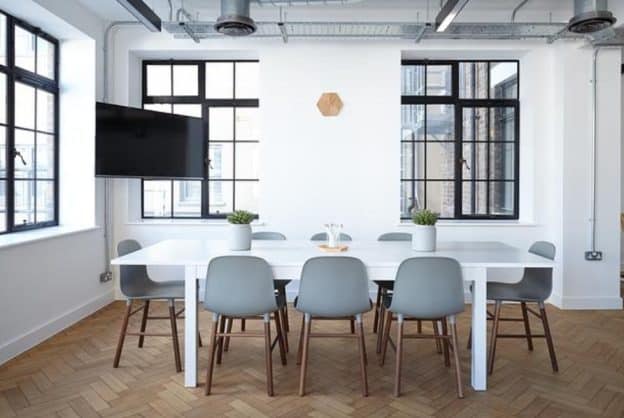
Choosing which office space to present to a team is a very large decision for any business. An office is a physical space for sure but also a stage that plays a key role in productivity, company culture, client perception, and long-term growth. At the time of founding a company or as an established player in a field, what is put forward as an office space should be a well-thought-out plan based on what the business requires?
Importance of Office Location
Location is a primary issue that businesses look at when they are choosing a base for their company. As emphasized by Houtan Hormozian, it is seen that a well-placed office, which is easy to get to for staff, clients, and partners, is a plus. Also, it is seen that proximity to public transit, major roads, and business centers, which in turn makes day-to-day functions run more smoothly. Also the setting of the area plays a role in brand image. A very professional look to the environment will instill trust and confidence; on the other hand, a bad choice in location may hurt how a business is seen.
Determining the Right Office Size
Office size must be a balance between present needs and future growth. What is too little space leads to a crowded feel, which in turn reduces productivity, and at the other extreme, very large offices that go unused are a waste of money. It is important to note down employee headcount, meeting room, reception, storage, and collaboration space. By looking ahead in the planning stage, companies may avoid the stress of relocations as they grow.
Understanding Lease Terms
Lease terms are often complex, which is why they should be reviewed in detail. Businesses must determine the term of the lease, what the rent will do over time, what options they have at renewal, and what is involved in getting out of the lease. Also, some offices present flexible lease terms that play to the advantage of companies that are in a state of rapid change or growth. Long-term leases may provide for better cost stability, but short-term ones are better for adaptability.
Budget Planning and Additional Costs
Rent is but one element of the total expense of an office space. Many companies put forward only a partial picture of what it really costs, which is a mistake. A clear Bluerate analysis is seen in utilities, maintenance fees, security, cleaning services, and insurance—large players that often are left out. Also included are the costs of interior fit-out, furniture, and technology, which also seem to add to the initial outlay. For a true-to-scale budget that will not cause financial stress, include all of the variable and fixed costs.
Infrastructure and Facilities
A contemporary office has to support daily business operations very well. Businesses require reliable internet connection, power backup, and proper ventilation. Also, it is seen that elevators, parking lots, and accessibility features, which in turn contribute to convenience and safety, are important. That which has shared facilities like conference rooms and common areas does well to also add value and at the same time reduce costs.
Impact on Employee Productivity
In terms of performance and well-being, the office environment is a key player. It is seen that offices that have natural light, that present comfortable designs, and that are quiet do better in terms of focus and motivation. Also, it is found that offices that are designed well encourage collaboration at the same time they provide private settings for in-depth work. As employees become more at ease in their space, productivity and job satisfaction go up.
Legal and Compliance Considerations
Before going ahead with an office space lease, businesses should make sure it is in compliance with local laws and regulations. It is seen that zoning rules, building safety standards, and fire safety requirements must be followed. Also, it is important that the office location fits in with what the business does. To ignore legal issues may result in large penalties or operational issues.
Adapting to Changing Work Trends
Workplace trends are always in flux. Many companies are getting into hybrid and flexible work arrangements, which in turn changes what is seen out in the office. It is seen less of the large traditional designs and more of flexible spaces, which support remote work as well as in-person. Going with a forward-thinking office design is what allows businesses to stay competitive and relevant in today’s ever-changing environment.
Value of Professional Guidance
In the office space search process, that which is foreign to a business can present a great challenge. Many companies turn to professionals to analyze market conditions, price trends, and negotiation tactics. Professionals, like the ones at OfficeFinder, can put a business in a better position to get better terms, save time, and also reduce the risk of poor decisions.
Conclusion
Selecting appropriate office space is a key decision which touches on all aspects of a business. In terms of location, size, budget and compliance each element must be thought through. A well thought out office space improves productivity, enhances brand image, and also provides a platform for growth. By looking to the future and identifying what will be needed from the space in the coming years businesses can turn their office into a strong base for success.