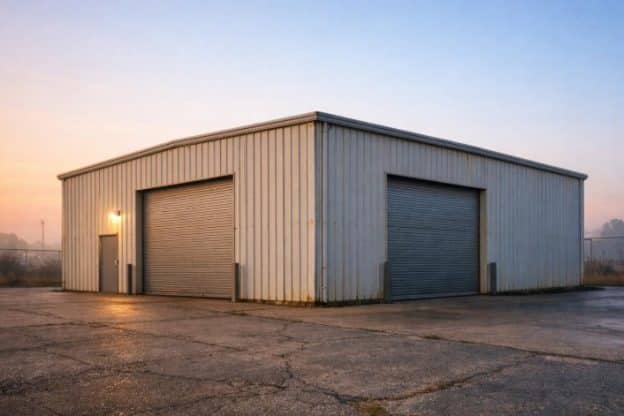
A metal building rarely fails all at once. It fails quietly, a little rust here, a loose fastener there, a door that drags a bit more each month, until one day a leak ruins inventory or a panel lets go in a storm. By then you’re not doing maintenance, you’re doing damage control, usually on the worst possible day. The good news is that worn components almost always warn you first, if you know what to watch for. A few minutes of regular looking can save you a very expensive surprise. Here are six early signs worth catching before they turn into downtime. Walk your building with these in mind, and most problems announce themselves long before they become emergencies.
1. Rust and Corrosion Creep
Rust is the slow leak in your building’s lifespan, and it loves the spots you don’t check: panel seams, fastener heads, base trim near the ground. A few orange freckles aren’t a crisis, but bubbling paint or flaking metal means corrosion is already working underneath. Knowing how the metal building parts fit together makes these weak points far easier to spot before they spread.
Suppliers such as Butler MFG Parts keep matched replacement components on hand, which matters because a mismatched panel or fastener often just invites the rust right back. Catch corrosion while it’s cosmetic, and you avoid replacing structure later. A wire brush and a touch-up coat now is a far easier conversation than a structural repair next winter.
2. The Cost of Ignoring It
It’s tempting to push small repairs down the road, but the math rarely works in your favor. An ABB survey of more than 3,200 maintenance leaders found that unplanned outages hit most industrial businesses at least once a month, at a typical cost of around $125,000 per hour. A failed building component, a collapsed gutter, a stuck overhead door, a breached panel, can stop work just as fast as a broken machine. Framing inspections as cheap insurance against that kind of loss makes the few hours they take feel trivial. A worn part found early is almost always a fraction of the cost of the chaos it prevents.
3. Loose or Backed-Out Fasteners
Fasteners are tiny, easy to ignore, and surprisingly telling. Over years of heating, cooling, and wind load, screws and bolts can loosen, back out, or wear through their rubber washers. Walk the walls and roofline and look for fasteners sitting proud of the surface, dark streaks weeping down from a screw head, or washers that have cracked and gone brittle. Each one is a small doorway for water. Left alone, a handful of failed fasteners can let moisture track into insulation and framing, turning a five-minute fix into a structural headache nobody budgeted for. Carry a driver on your walk and snug the obvious offenders as you go.
4. Doors and Moving Hardware
Anything that moves wears faster than anything that doesn’t, which makes doors and their hardware your most reliable early-warning system. During a routine walk, pay attention to:
- Overhead doors that bind, jerk, or sound rougher than usual
- Worn rollers, frayed cables, or sagging tracks
- Weatherstripping that has hardened, torn, or gone missing
- Gaps at the bottom where daylight or draft sneaks in
These parts are cheap relative to the disruption a jammed loading door causes mid-shift, so treat any new noise or resistance as a prompt to look closer, not a quirk to live with. A door that’s getting harder to open is a door that’s telling you something.
5. Roof and Gutter Trouble
Your roof works hardest and complains last, so problems often show up indoors first. Water stains on the ceiling, a faint musty smell, or pooling around the base of the walls usually point to a roofing or drainage part that has quietly given up. Clogged or sagging gutters and downspouts are common culprits, sending water exactly where you don’t want it. A quick look after heavy weather, both up top and at where the water lands, tells you a lot. Fixing flashing or a gutter joint is minor work; replacing a soaked roof system is not. The gap between those two bills is usually just a matter of how soon you noticed.
6. Sealants and Insulation Gaps
The least glamorous parts often fail first. Sealants around panels, vents, and openings dry out and crack with age, and once they do, air and water start moving freely. Telltale signs include sudden drafts, a heating bill that creeps up for no clear reason, or insulation that looks compressed, stained, or sagging away from the wall. None of it looks dramatic, which is exactly why it gets ignored until comfort and energy costs both suffer. Refreshing a worn bead of sealant is the kind of small, dull task that quietly protects everything behind it. Done once a season, it keeps water, drafts, and energy waste from ever getting a foothold.
Conclusion
None of this requires an engineering degree, just the habit of looking before something forces you to. Build a simple seasonal walk-around into your routine, jot down what looks off, and deal with the small stuff while it’s still small. Worn components rarely fail without warning; they fail when the warnings go unread. Keep an eye on the parts that move, seal, and shed water, replace them with the right match when they wear, and your building will keep doing its job quietly, which is exactly what you want it to do.