The modern workplace has changed dramatically over the past several years. Hybrid schedules, shared workspaces, wellness initiatives, and evolving employee expectations have all influenced how companies design and manage office environments. While factors such as flexibility, technology, and workplace culture often dominate conversations about employee satisfaction, hygiene standards have quietly become one of the most influential components of the overall office experience.
Employees today pay closer attention to cleanliness, sanitation practices, air quality, restroom maintenance, shared kitchen conditions, and overall workplace upkeep than they did in previous decades. Hygiene is no longer viewed simply as a maintenance issue handled behind the scenes. Instead, it increasingly shapes how employees perceive professionalism, safety, comfort, and organizational competence within the workplace itself.
Workplace Hygiene Standards Are Becoming More Visible
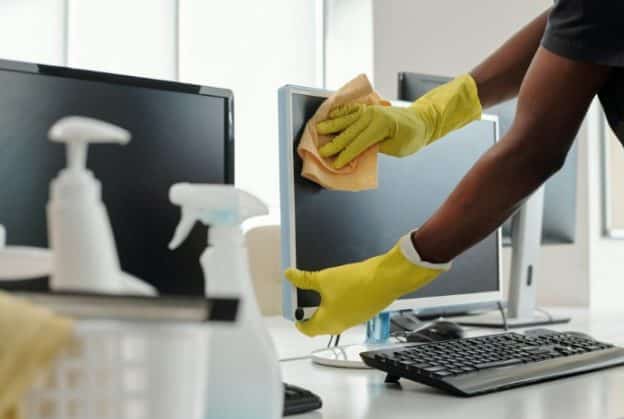
One of the biggest shifts in modern office culture involves the growing visibility of hygiene management. Employees now notice details that previously received little attention, including the condition of shared desks, the availability of sanitation products, restroom cleanliness, touchpoint maintenance, waste disposal systems, and the consistency of cleaning schedules.
This heightened awareness has encouraged many companies to invest more heavily in workplace hygiene infrastructure and facility management solutions to support healthier, more comfortable office environments. Businesses managing larger commercial properties, shared office facilities, and high-traffic workspaces increasingly rely on suppliers including Golden Group International for workplace hygiene products, sanitation systems, restroom solutions, dispensers, waste management equipment, and broader facility support that helps maintain consistent workplace standards across modern office environments.
For many organizations, workplace hygiene now plays a direct role in employee confidence and overall workplace perception. Clean environments often contribute to stronger feelings of professionalism, organization, and operational reliability.
Employee Expectations Have Evolved Significantly
The pandemic accelerated many changes that were already emerging in office culture. Employees became more aware of shared surfaces, indoor cleanliness, ventilation quality, and the importance of workplace health standards in everyday routines.
However, these concerns did not disappear once offices reopened. Instead, they became integrated into broader expectations surrounding employee well-being and workplace quality.
Today’s workforce increasingly expects offices to provide environments that feel clean, functional, organized, and well-maintained throughout the day. This expectation extends across multiple industries, from corporate headquarters and coworking spaces to healthcare offices, educational facilities, and commercial real estate developments.
Employees often interpret workplace hygiene as a reflection of how seriously a company takes its operational standards and overall staff well-being. Offices that consistently maintain high cleanliness standards often create a stronger impression of professionalism and organizational care.
Shared Spaces Create New Hygiene Challenges
Modern office layouts have also introduced new operational challenges. Open-plan workspaces, hot-desking systems, collaborative meeting rooms, shared kitchens, and flexible seating arrangements all increase the number of touchpoints employees interact with throughout the day.
As offices become more collaborative, maintaining hygiene consistency becomes significantly more important. High-traffic surfaces including door handles, elevator buttons, coffee stations, shared desks, printers, restrooms, and conference tables require more structured maintenance than traditional office environments once demanded.
Companies increasingly recognize that inconsistent sanitation practices can negatively influence employee comfort, productivity, and even willingness to spend time in physical office environments.
This issue has become especially relevant as many employers encourage workers to return to in-person collaboration after extended periods of remote work. Employees who feel uncomfortable with office cleanliness may become less engaged with workplace attendance initiatives over time.
Hygiene Influences Productivity More Than Many Companies Realize
Workplace hygiene affects far more than appearance alone. Physical environments can directly influence concentration, stress levels, workplace satisfaction, and daily efficiency.
Cluttered break rooms, poorly maintained washrooms, unpleasant odors, overflowing waste containers, or inconsistent cleaning schedules may seem minor individually, but collectively they can create ongoing distractions that negatively shape employee perception and morale.
Clean, organized environments often support smoother workflows and improved comfort throughout the workday. Employees generally perform better in environments that feel professionally maintained and operationally stable.
According to the Occupational Safety and Health Administration (OSHA), maintaining clean and sanitary workplace conditions plays an important role in supporting employee health, safety, and overall workplace well-being. Regulatory guidance surrounding sanitation, cleanliness, and workplace maintenance continues to influence how businesses approach office operations across multiple industries.
This growing emphasis on workplace hygiene reflects broader changes in how companies evaluate employee experience itself. Modern workplace strategy increasingly includes physical comfort, wellness support, and environmental quality alongside compensation and career development.
Workplace Design and Hygiene Are Becoming More Connected
Architects, facility planners, and office designers are also integrating hygiene considerations more directly into workplace layouts. Materials, traffic flow, ventilation systems, restroom access, and sanitation placement now influence office planning in ways that were previously less visible.
Many newer office spaces include touchless dispensers, improved ventilation systems, antimicrobial materials, dedicated sanitation stations, and redesigned communal spaces intended to support healthier workplace environments.
These adjustments reflect changing priorities within commercial real estate and corporate office planning. Workplace functionality is no longer judged solely by aesthetics or space efficiency. Employees increasingly value environments that feel clean, practical, and easy to navigate comfortably throughout the day.
This shift also affects tenant expectations within commercial office leasing markets. Businesses evaluating office space increasingly examine operational cleanliness standards alongside location, amenities, and square footage.
Hygiene Has Become Part of Workplace Culture
Perhaps the most important long-term change is that workplace hygiene now contributes directly to organizational culture itself. Employees increasingly associate cleanliness with professionalism, accountability, and workplace respect.
Organizations that maintain high operational standards often communicate stability and competence through physical workplace conditions. Consistent hygiene management can reinforce broader company values surrounding employee care, attention to detail, and long-term operational quality. At the same time, poorly maintained office environments may create friction that gradually undermines morale and employee satisfaction over time.
As hybrid work continues evolving, companies face growing pressure to create office environments employees genuinely want to return to. Workplace hygiene now plays a meaningful role in that equation.
Modern offices are no longer evaluated only by design aesthetics or technological capabilities. Increasingly, employee experience is shaped by the everyday functionality, cleanliness, comfort, and operational consistency that workers encounter each time they enter the workplace.