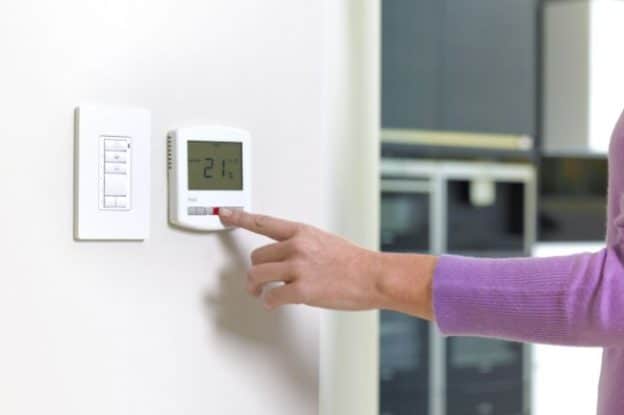
It’s the middle of the afternoon; the thermometer outside reads 95 degrees, and the office is slowly turning into a sauna. Employees are fanning themselves at their desks, a client meeting is about to start, and the air coming from the vents feels anything but cool. If this sounds familiar, you’re not alone. In a region where air conditioning runs for most of the year, a struggling system isn’t a small inconvenience; it’s a genuine business problem. Knowing the warning signs and when to call a local AC company in Florida can save your business money, downtime, and uncomfortable workdays.
This guide walks through the signs your office AC is in trouble, the most common problems, and how to decide between a quick repair and a full replacement.
Signs Your Office AC Is in Trouble
The earlier you catch an AC problem, the cheaper and easier it usually is to fix. In a busy workplace, however, early signs are easy to miss until the system fails completely. Here’s what to watch for:
- Weak or uneven cooling. Some rooms feel comfortable while others stay warm and stuffy. Uneven temperatures across an office often point to airflow problems, duct issues, or a system that can no longer keep up.
- Warm air from the vents. If the AC is running but the air isn’t cold, you may have a refrigerant issue or a failing compressor.
- Strange noises. Grinding, rattling, banging, or squealing sounds usually mean a mechanical part is wearing out or has come loose.
- Musty or humid air. Florida humidity is relentless. If your office feels damp or smells musty, your system may not be removing moisture properly , which can also lead to mold.
- Energy bills are creeping up. A sudden jump in cooling costs, without a change in usage, often signals a system that’s losing efficiency and working harder than it should.
- The system runs constantly. An AC that never cycles off but still can’t cool the space is overworked, undersized, or needs service.
Spotting any one of these is your cue to act before a minor fault becomes a full breakdown.
Common Office AC Problems
Air conditioning in Southwest Florida works harder than almost anywhere else in the country. Systems run 8 to 12 hours a day for roughly 10 months a year, fighting humidity that often sits between 65% and 85%. That kind of workload takes a toll, and offices with more people, more equipment, and more heat-generating electronics than a typical home push systems even harder. A few problems show up again and again:
- Refrigerant leaks. Low refrigerant means weak cooling and a compressor that’s at risk of serious damage if the issue is ignored.
- Dirty or frozen coils. Dust buildup and restricted airflow can cause coils to freeze, shutting down cooling entirely on the hottest days.
- Clogged condensate drains. High humidity produces a lot of condensation. When drain lines clog, you get water damage, leaks, and humidity problems indoors.
- Worn capacitors and contactors. These small electrical parts fail more often here because of constant operation, and they’re a leading cause of sudden no-cool calls.
- Undersized or aging systems. An AC that was fine for a smaller office may struggle once you add staff, servers, and equipment. Older units simply lose the capacity to keep up.
Offices near the coast face an extra enemy: salt air. Condenser coils near the Gulf can corrode much faster than inland equipment, shortening the life of the whole system.
Why You Shouldn’t Wait on Office AC Issues
It’s tempting to push an AC problem to the bottom of the to-do list, especially when the system is still limping along. In a Southwest Florida office, though, waiting almost always costs more than acting. Here’s why:
Lost productivity. Heat and humidity make people sluggish, distracted, and uncomfortable. A hot office means slower work, more breaks, and a noticeable drop in focus across your team.
A poor impression on clients and visitors. Anyone walking into a warm, stuffy office immediately senses something is off. For client-facing businesses, that first impression matters.
Damage to equipment and documents. Excess humidity can harm computers, servers, printers, and paper records. Replacing damaged electronics can cost far more than a timely repair.
Small faults become big ones. A failing capacitor left alone can burn out a compressor. A minor refrigerant leak can destroy a system over time. What starts as an inexpensive fix can snowball into a full, costly replacement if you ignore it.
In short, a struggling AC rarely fixes itself and in this climate, it tends to fail at the worst possible moment.
Repair or Replace? What’s Right for Your Office
Once a technician diagnoses the problem, you’ll face the big question: repair the existing system or replace it? A few factors help guide the decision:
- The age of the system. Florida AC units typically last 10 to 15 years less near the coast. If your system is in that range and needs a major repair, replacement often makes more financial sense.
- Repair cost versus replacement. A common rule of thumb: if a major repair costs more than half the price of a new system, replacement is usually the smarter long-term move.
- Efficiency. Older, low-efficiency units cost far more to run. Upgrading to a higher-SEER system can cut cooling costs significantly over a Florida cooling season money that adds up fast for a business.
- Tenant or owner responsibility. This is a big one for offices. If you lease your space, check your lease carefully to see whether AC repairs and replacements fall on you or your landlord. Knowing this before you call saves confusion and helps you budget correctly.
A trustworthy technician will walk you through the numbers honestly rather than pushing the most expensive option.
When to Call a Local AC Company
Some situations call for a professional right away: warm air from the vents on a hot day, a complete loss of cooling, water pooling around the unit, burning smells, or repeated breakdowns. When any of these happen in your office, the speed and quality of the response make all the difference and that’s where choosing the right partner matters.
A local AC company offers real advantages over a national chain. Local teams provide faster same-day and emergency response because they’re already in your area rather than routing your call through an out-of-state dispatcher. They understand the regional climate , the humidity load, the salt-air corrosion near the coast, and the way systems get sized for local conditions. And they’re accountable to the community they serve, which usually means more honest assessments and better follow-through.
How to Prevent Future Office AC Breakdowns
The best AC repair is the one you never need. A little preventive care goes a long way toward keeping your office cool and avoiding emergency calls during peak summer:
- Schedule maintenance twice a year. Florida systems work hard enough that one tune-up a year isn’t enough. Two visits ideally in spring before peak heat and again in fall keep things running efficiently.
- Change filters regularly. Dirty filters restrict airflow, strain the system, and worsen indoor air quality. In a busy office, they clog faster than you’d expect.
- Book tune-ups before summer. Getting your system inspected ahead of the hottest months means small issues get caught before they leave you without cooling at the worst possible time.
Partnering with a local team for regular maintenance also means someone already knows your system when something does go wrong making every future call faster and easier.
Final Thoughts
In Southwest Florida, your office air conditioning isn’t a luxury; it’s essential to keeping employees productive, clients comfortable, and your business running smoothly. Catching the warning signs early, acting before small problems grow, and building a relationship with a trusted local AC company in Southwest Florida are the keys to staying ahead of trouble. If your office AC is showing signs of strain, don’t wait for the system to quit on the hottest day of the year. Reach out for a free estimate and keep your workplace cool, comfortable, and open for business.
Frequently Asked Questions
How do I know if my office AC needs repair or replacement? Consider the system’s age, the cost of the repair compared to a new unit, and its efficiency. If your system is over 10 years old and a major repair costs more than half the price of replacement, a new system is usually the better long-term investment. A licensed technician can give you an honest repair-versus-replace assessment.
How fast can a local AC company respond to an emergency? A local company in your area can often provide same-day or emergency service, frequently arriving within a few hours far faster than national chains that route calls through out-of-state dispatch centers. Response times are one of the biggest reasons to choose local.
Who is responsible for office AC repairs the tenant or the landlord? It depends on your lease. Some commercial leases make tenants responsible for AC maintenance and repairs, while others place that duty on the landlord. Always review your lease agreement so you know who handles cooling issues before a problem arises.
How often should commercial AC be serviced in Florida? Twice a year is ideal. Because Florida systems run so many hours across a long cooling season, two maintenance visits typically spring and fall help maintain efficiency, prevent breakdowns, and extend the life of the equipment.
What are the first signs of office AC trouble? Weak or uneven cooling, warm air from the vents, unusual noises, musty or humid air, and rising energy bills are all early warning signs. Catching these early usually means a cheaper, simpler fix.