Walk into a modern coworking hub or a growing company’s headquarters, and you may notice something that would have looked out of place a decade ago: a dedicated area for play. Table tennis tables, arcade cabinets, board game shelves, and comfortable lounges have moved from novelty perks to intentional design features. This shift reflects a broader change in how organizations think about the relationship between rest, social connection, and work. Recreational gaming spaces are no longer just decoration. They are becoming a deliberate part of workplace strategy.
Why Play Found a Place at Work
As big tech firms started trying non-traditional office designs, they looked to build an environment where employees would be willing to spend time during the day. In addition to providing a comfortable break between work sessions, an environment designed around “play” gives co-workers from other departments (the ones that usually don’t meet) a chance to interact and build relationships that formal meeting structures can never provide.
When employees have places in the office to take a few minutes off from staring at their computers, they’ll come back refreshed and able to think more clearly about what needs to get done.
Many believe there’s a direct link between how happy someone feels in their job, and their productivity. If you signal through your workplace design that you care about employees’ overall well-being, including the space provided for recreation, employee satisfaction tends to grow. Employees see a game room as a part of the company culture as much as a source of entertainment.
From Physical Games to Strategic Thinking
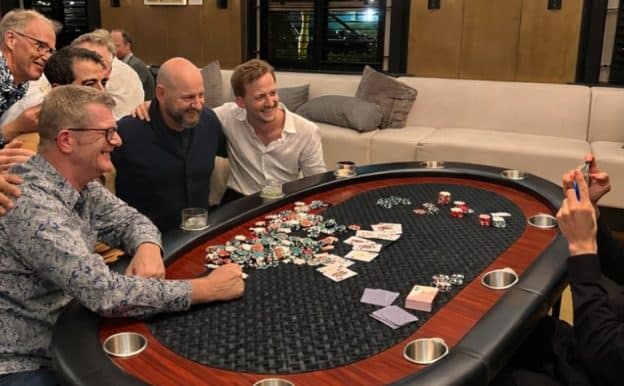
While traditional recreational spaces will continue to offer physical games, many employees already use downtime to play online games on their mobile phones or laptopsly, many of these types of games reward behaviors similar to those used by employees when doing their jobs. For example, many cite chess and poker as games that improve employees’ decision-making. Poker is a useful example in this context because it combines strategy, risk assessment, and decision-making under uncertainty.
For example, many employees learn these concepts by playing at online poker sites. The concept here isn’t the specific game being played, but the thought process behind making thoughtful, measured decisions versus acting impulsively. That is why many workplaces now include quiet strategy corners next to areas meant for more energetic play. Employees may rest differently; therefore, the design of a recreational area should account for these differences. Neutral educational resources also explain the basic principles of games like chess and poker so employees can understand them if they choose to do so.
Designing Recreational Zones That Actually Work
Designing a play area is simple to do poorly. When designers who have developed those projects speak of functional design, there are several practical guidelines that they emphasize:
- Where you put your recreational zone matters. To encourage use, the recreational zone should be located near other spaces. However, it must be far enough away to prevent distraction from focused work.
- Variety attracts a greater number of people. Providing a variety of active play opportunities and quieter options, along with adequate, comfortable seating throughout the space, helps accommodate the widest range of personality types.
- Functionality is more important than the visual “wow” factor. Recreation areas created to make a good impression on visitors, rather than to benefit the employees using them, generally remain unused.
In addition, the design community offers some cautionary guidance. Some worry that game rooms may become symbols instead of functional spaces, or that they may be used to rationalize longer working hours instead of creating a relaxed culture. However, thoughtfully designed recreation breaks help create a real break from one’s job responsibilities, not another reason to continue working.
What This Means for Coworking Spaces
Coworking operators present a particularly unique variation of this challenge. Because their members represent many companies and individuals, they need to provide recreational areas that meet the needs of the broadest possible spectrum of their members. A well-designed lounge or games area can help coworking operators differentiate themselves from competitors and attract and retain members who want to connect with a community of like-minded professionals as much as they want a quality workspace.
The most successful coworking layout designs typically include multiple social areas along with areas designated for quiet, focused work. Members can then choose the atmosphere that best meets their needs at any given time. Whether it’s a busy social area or a private space with minimal distractions, this variety reflects the broader shift toward more choice in office design.
The Bigger Picture
Gaming-based play areas are only part of a larger discussion about what the modern workplace represents. As remote and hybrid models reshape daily habits, the physical office has evolved into a meeting ground for connections, culture, and collaborative activities, and not solely to accomplish tasks. Gaming areas that are designed intentionally support these goals.
The popularity of play-based recreational areas is likely here to stay; however, its format will continue to evolve. The primary takeaway is not that all offices require arcades, but that intentional design considers how people relax, interact socially, and think, not just how they perform work. In that sense, a well-placed games area is less about fun for its own sake and more about building an environment where people feel supported.