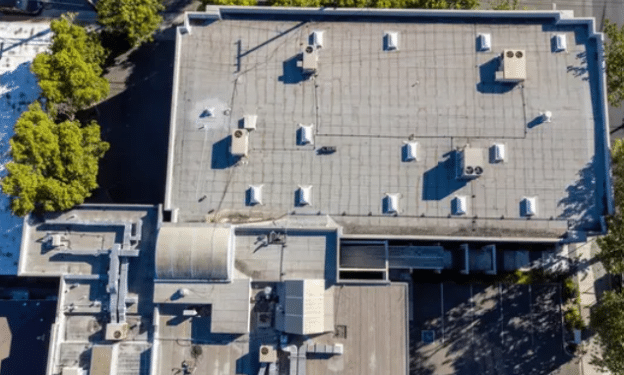
A business move is one of the few moments you have real leverage over a building’s condition.
Before the lease is signed and the boxes are in, any roof problem is the landlord’s or seller’s responsibility. After, it quietly becomes yours. The roof is worth asking about early.
Why the Roof Belongs on Your Relocation Checklist
Most relocation checklists cover square footage, layout, and lease terms in detail. The roof rarely makes the list.
That is a problem. The roof is the system most likely to hand you a five-figure surprise, and the one least likely to get a real look before you commit.
It deserves the same scrutiny you give to every other part of the evaluation of the space. It usually gets skipped because it is out of sight and feels like the landlord’s concern. Until it isn’t.
Timing Decides Who Pays
The point in the process where you ask matters more than people realize.
A question raised before signing can shape who pays for the answer. The same question, raised only after signing, confirms what you already own.
What a Mid-Lease Failure Actually Costs
When a roof fails on a tenant partway through a lease, the costs rarely come alone.
You absorb business interruption while crews work around your operation. You risk water damage to inventory and equipment. And you pay emergency-rate pricing instead of planned repair costs.
Then come the disputes over who is responsible under the lease. None of that shows up on the listing, and all of it is avoidable if you look before you sign.
Assess the Roof Before You Commit
You do not need to climb up there yourself. You need to know what to ask for and what a short professional look can reveal.
What to Request From the Landlord or Seller
A few documents tell you most of what you need to know:
- Roof age and remaining rated life
- Installation and last replacement dates
- Warranty status and whether it transfers to you
- Recent inspection and maintenance records
- Any history of leaks, patches, or repairs
If a landlord cannot produce any of this, that gap is its own answer.
What a Professional Look Adds
A verbal assurance and a tidy listing photo do not tell you much. A short commercial roof inspection from a qualified contractor before you commit does.
It surfaces membrane condition, drainage problems, and flashing failures that never show from the ground. It also tells you what fixing the issue would actually involve.
Knowing whether you face a minor repair or a full roof installation and replacement job changes how you negotiate. A small repair is a footnote. A looming replacement is a number you bring to the table.
What the Roof Says About the Rest of the Building
A neglected roof rarely sits above a well-maintained building. If the roof has been neglected, drainage, sealants, and rooftop equipment have often been neglected as well. The roof is an easy, honest read on how the whole property has been cared for.
Time the Inspection While You Still Can
An assessment is only leverage if it happens before you sign. After that, the same findings become a maintenance bill with your name on it.
Where It Fits in the Process
The inspection belongs in the part of the process where you still have room to move.
That usually means during due diligence, before the letter of intent is firmed up, and before the lease is executed. Written in as a contingency, it gives you a clean way out if the findings are bad enough.
The window is short. Once you have signed, your leverage is gone, and the conversation shifts from negotiation to repair.
The Negotiation Math
The math is simple. A documented roof issue found before signing becomes a price reduction, a landlord-funded repair, or grounds to walk away.
The same issue found after signing becomes a line item you absorb. Same roof, very different outcome.
Build the Roof Into Your Budget and Timeline
Even a sound roof has a finite life. Most commercial membranes last between 20 and 35 years, depending on the system and how it is maintained.
Knowing where a roof sits on that curve lets you plan instead of react.
Lease Structure Decides Responsibility
Who pays for repairs and replacement depends heavily on how the lease is written.
A gross lease and a triple-net lease split those costs very differently, so confirm the structure before you assume anything. If that distinction is fuzzy, knowing gross versus NNN leases will help you understand better.
Match Roof Life to Lease Term
Line up the roof’s remaining life against your lease term. If replacement is likely to fall within your occupancy, build a reserve assumption now rather than scrambling later.
This is the same planning you apply to how much space you will need as the business grows. Matching roof life to lease term is the quiet detail that separates a clean move from a painful third year.
Before Signing vs. After Moving In
The roof question costs almost nothing to ask. The difference in who answers for it is enormous.
| Before you sign | After you move in | |
| Who pays | Negotiable with landlord or seller | Usually you |
| Your leverage | High | Low |
| Cost type | Predictable and planned | Emergency-rate and reactive |
| Business impact | None yet | Interruption and inventory risk |
The Question Worth Asking Early
The roof rarely makes the relocation shortlist, yet it carries one of the highest hidden costs in any building. Ask about it while you still hold the leverage. The best time to learn a roof’s condition is before it becomes yours.