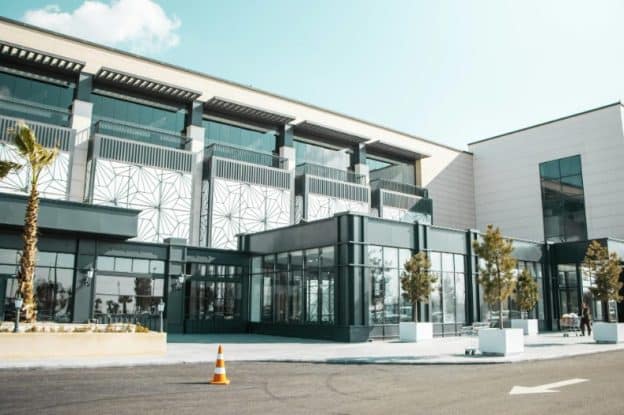
Modern commercial facilities demand smart choices for structural protection. Choosing the right top layer keeps business operations running smoothly and keeps assets safe. Proper coverage shields valuable items from severe outdoor conditions throughout the entire year.
Property managers face many choices when upgrading their building tops. New materials offer better performance than older styles. Investing in high-quality designs helps reduce long-term operational costs for businesses. Modern systems provide lasting defense against structural degradation.
Shifting Commercial Design Trends
Building designs change to meet new operational needs. Managers look for options that maximize usable square footage and save money. Smart architecture prioritizes functional layouts that handle heavy machinery and storage. Every square foot of space must serve a distinct corporate purpose.
An academic journal explained that modern flat, green, and hidden roofs frequently replace old pitched designs. The styles fit sleek business architectures perfectly. They allow companies to utilize every square foot of their property efficiently. Traditional steep styles fail to offer the same level of modern utility.
Flat configurations allow easy access for heavy maintenance teams. They provide excellent spots for cooling units and solar setups. Placing equipment on top frees up valuable ground space around the facility. The arrangement permits better traffic flow around the loading docks.
Local Weather Hardiness
Commercial structures require tough exteriors to shield valuable equipment. Finding reliable commercial contractors in Naperville, for example, can help facility managers secure long-term protection. Severe storms and cold demand tough materials. Local business owners must prepare for sudden shifts in temperature.
High winds can peel back weak perimeter edges easily. Sturdy flashing keeps water out during heavy spring downpours. Reinforced seams prevent moisture from seeping into insulation layers below. Quality sealants prevent minor drips from becoming major corporate catastrophes.
Regular inspections prevent minor leaks from ruining interior ceilings. Local teams understand how regional temperature shifts impact seams. Catching small tears early avoids expensive emergency repair bills later. Routine maintenance protects the financial stability of the entire commercial operation.
The Growth of Green Roof Systems
Living vegetation layers offer an innovative way to manage stormwater. They absorb heavy rainfall and lower municipal drainage stress. Urban properties utilize these setups to add natural elements to industrial areas. Soil matrices insulate the top of the building naturally.
A published medical study showed that buildings with vegetated tops need less energy for summer cooling and winter heating. Reduction helps lower monthly utility bills significantly. Saving power allows companies to redirect capital toward growth. Lower energy use decreases the demand on local electrical grids.
Natural layers protect the underlying structure from harmful sun exposure. They extend the lifespan of the base material. Shielding membranes from ultraviolet rays prevents premature cracking. Plant life captures dust and purifies the air around the facility.
Benefits of Metal Tile Systems
Metal roofs deliver exceptional performance for industrial sites. They withstand severe weather impact without cracking or breaking. Managers select the materials for long-lasting warehouse protection. Metal resists damage from falling branches and hail.
An engineering paper highlighted that metal tile roof systems provide great durability and clean modern styles for commercial needs. Properties gain several direct advantages from some setups:
- Excellent fire resistance ratings protect interior inventory.
- Lightweight structures reduce frame strain.
- Longer life expectancies compared to traditional asphalt layers.
- Sleek designs complement contemporary corporate aesthetics perfectly.
Low maintenance needs keep operational costs highly predictable. Facilities avoid frequent repair bills over decades of use. Predictability makes budgeting much easier for corporate financial officers. Savings accumulate quickly over 20 or 30 years of operation.
Maximizing Reflective Insulation
Proper insulation shields interiors from harsh external temperatures. Thick boards prevent conditioned air from escaping through small cracks. Maintaining steady indoor climates improves worker productivity. Temperature control protects sensitive electronics from overheating.
A corporate sustainability report mentioned that certain advanced commercial systems include highly efficient insulation boards. Dense layers maintain steady indoor climates year-round. The components stop heat from migrating between floors. High thermal resistance scores guarantee maximum utility cost containment.
Contractors position the boards directly underneath the outer membrane. The placement stops thermal bridging and protects structural beams. Shielding the core framework prevents warping over extended periods. Rigid panels resist crushing from foot traffic during routine maintenance checks.
Cool Roof Energy Advantages
Bright white surfaces reflect intense sunlight away from buildings. They prevent heat from soaking into the structure during hot months. Lowering building temperatures keeps interior spaces comfortable. White materials minimize the need for indoor air conditioning.
Research from a building science journal indicated that white roofs reflecting 89% of light cut surface temperatures by 10°C at noon. Cooling creates massive annual utility savings:
- Reduces air conditioning loads by 15% to 20%.
- Lowers wear on mechanical cooling equipment.
- Decreases indoor temperature spikes on sunny days.
- Cuts down carbon emissions from heavy electricity consumption.
Lower cooling demands translate directly to smaller carbon footprints. Companies reach environmental goals faster with these setups. Eco-friendly choices attract modern consumers who value green business practices. Reduced utility bills help pay for the initial installation cost.
Urban Heat Mitigation Options
Dense commercial zones often suffer from high localized temperatures. Large expanses of dark concrete trap midday heat. Creating cooler districts requires widespread structural updates. Dark asphalt structures absorb radiation and release heat slowly at night.
An environmental research article proved that cool, highly reflective surfaces combat urban heat island effects better than other choices. Neighborhoods stay cooler when multiple properties adopt reflective styles. Reducing city heat improves outdoor air quality. Lower surrounding temperatures benefit local ecosystems and residents.
Community leaders encourage businesses to choose light-colored membranes. The steps create more comfortable commercial districts for everyone. Shared efforts lower the strain on local power grids. Better neighborhoods attract more foot traffic and commercial investment.
Selecting Commercial Materials
Every business facility possesses unique layout requirements. Architects must weigh immediate installation costs against long-term value. Choosing cheap options often leads to higher maintenance costs later. Quality selections provide superior long-term peace of mind.
Heavy manufacturing plants might choose thick single-ply membranes. Warehouses often benefit from simple sprayed coatings. Office complexes usually prefer highly aesthetic choices. Each facility demands a specific material thickness to maximize weather protection.
Working with experienced planners clarifies which material fits best. Making the right decision secures business property for decades. Smart investments now prevent structural issues in the future. Professional guidance prevents costly errors during the selection phase.
Investing in modern roofing materials saves businesses $1000s in repair bills. Smart upgrades stabilize indoor climates and protect products. Managers notice lower utility bills immediately after installation. Upgraded assets increase the resale value of commercial properties.
Selecting durable systems keeps commercial operations running without unexpected interruptions. Property managers protect their physical assets by choosing quality designs. Reliable tops provide long-term business safety. Strong covers keep teams safe from outside hazards.