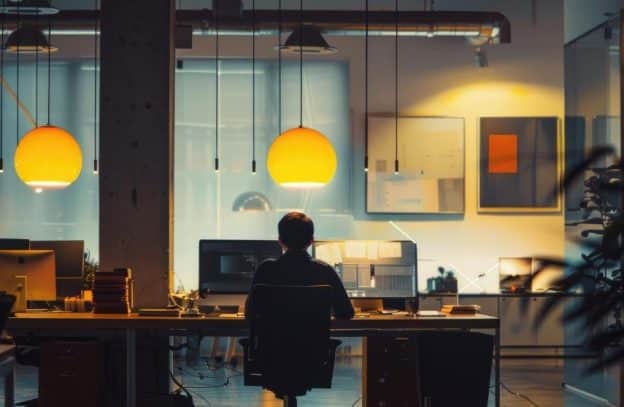
When businesses evaluate office space, attention typically gravitates toward visible factors, location, layout, natural light, and design. These elements shape first impressions and influence brand perception. In Australian cities such as Adelaide, where commercial spaces must adapt to varying building standards and environmental conditions, these visible features are only part of the equation. The true performance of a workspace depends on something far less obvious: the infrastructure operating behind the scenes.
Plumbing, electrical systems, ventilation, and water management rarely feature in leasing discussions, but they play a decisive role in how an office functions day to day. When these systems perform reliably, they go unnoticed. When they fail, productivity, employee satisfaction, and even business continuity can be affected almost immediately.
Why Infrastructure Matters More Than Design
A well-designed office can enhance collaboration and create a positive working environment, but design alone cannot compensate for operational shortcomings. Inconsistent water supply, drainage issues, or sudden system failures disrupt workflows in ways that no aesthetic improvement can offset.
Infrastructure is what allows a workspace to function without interruption. It supports basic needs, clean water, sanitation, climate control, that employees rely on throughout the day. Without these elements working seamlessly, even the most thoughtfully designed office becomes difficult to operate effectively.
This is particularly important in multi-tenant buildings, where shared systems must accommodate varying levels of usage. A single issue can quickly affect multiple businesses, amplifying its impact.
The Cost of Overlooking Essential Systems
Many organizations underestimate the financial implications of infrastructure failure. While rent and utilities are predictable expenses, maintenance-related disruptions often are not. A plumbing issue, for example, can lead to temporary closures, repair costs, and potential reputational damage if clients or employees are affected.
In such cases, having access to a local plumber like a trusted local plumber in Adelaide becomes more than a convenience; it is a critical part of operational resilience. Rapid response and reliable service can significantly reduce downtime and prevent minor issues from escalating into major disruptions.
However, the real advantage lies not in emergency response, but in preventive care. Regular inspections and servicing reduce the likelihood of unexpected failures, allowing businesses to operate with greater confidence.
Productivity Begins with Reliability
Workplace productivity is closely tied to stability. Employees perform best in environments where they can focus on their tasks without being interrupted by avoidable issues. Even minor disruptions, such as inconsistent water pressure or blocked facilities, can affect morale and efficiency over time.
Reliable infrastructure contributes to a sense of normalcy and predictability. It allows teams to operate without distraction, supports hygiene standards, and ensures that daily operations proceed smoothly.
From a management perspective, this reliability translates into fewer interruptions, reduced maintenance costs, and a more consistent experience for both employees and visitors.
Tenant Expectations Are Changing
Modern tenants are increasingly aware of the importance of building performance. While location and price remain key considerations, there is growing emphasis on operational quality. Businesses are looking for spaces that support not only their brand image but also their day-to-day functionality.
This shift is particularly evident in competitive commercial markets, where tenants have multiple options and higher expectations around building standards. Properties that demonstrate consistent maintenance and reliable infrastructure are more likely to attract and retain long-term occupants.
Insights from the Commonwealth Scientific and Industrial Research Organisation (CSIRO) highlight how building performance, indoor environmental quality, and system reliability directly influence workplace productivity and occupant well-being. This reinforces the idea that infrastructure is not just a technical concern, but a strategic one.
Preventive Maintenance as a Business Strategy
Forward-thinking organizations treat infrastructure maintenance as part of their broader operational strategy. Instead of reacting to issues as they arise, they invest in regular servicing and monitoring to ensure consistent performance.
This approach offers several advantages:
- Reduced risk of unexpected downtime
- Lower long-term repair costs
- Extended lifespan of building systems
- Improved employee experience
By integrating maintenance into routine operations, businesses can avoid the disruption and expense associated with emergency repairs.
What to Look for When Choosing Office Space
For companies evaluating new office locations, infrastructure should be a key consideration alongside more visible factors. Questions worth asking include:
- How frequently are building systems inspected and serviced?
- Are maintenance records available for review?
- How quickly are issues typically resolved?
- What support services are in place for urgent repairs?
These considerations provide insight into how well a building is managed and how likely it is to support uninterrupted operations.
A Broader Perspective on Workplace Quality
The concept of a “high-quality” office is evolving. It is no longer defined solely by design or location, but by the overall experience it provides. This includes not only how a space looks, but how it performs over time.
Hidden infrastructure plays a central role in shaping that experience. It influences comfort, reliability, and the ability of a business to function without disruption. While it may not be immediately visible, its impact is both constant and significant.
Building for Long-Term Performance
In the end, the most successful workspaces are those that balance aesthetics with functionality. This is especially relevant in Australia’s evolving commercial property landscape, where operational efficiency and sustainability are becoming central considerations. Design may attract attention, but infrastructure sustains performance.
By recognizing the importance of what lies behind the walls, businesses can make more informed decisions and create environments that support their long-term goals. For organizations seeking stability, productivity, and efficiency, the message is clear: the true value of office space is not just what you see, but what you can rely on every day.