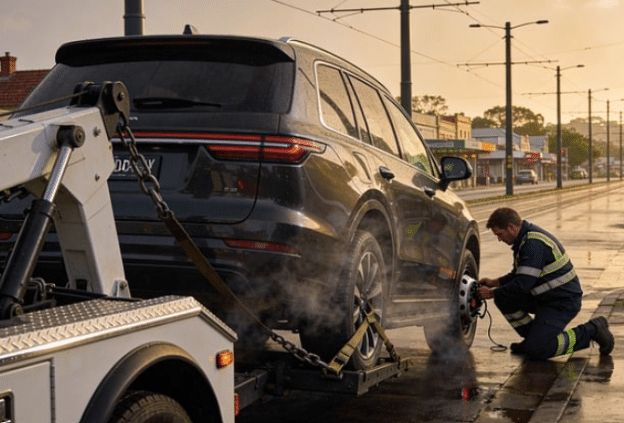
A car crash can create a lot of visible activity. Police arrive, damaged vehicles block traffic, witnesses gather, ambulances come and go, and eventually tow trucks clear the roadway. Within a few hours, the intersection may look as though nothing happened.
For the people involved, however, understanding the collision may only be beginning.
Questions about who caused the crash, what insurance applies, how serious the injuries are, and what financial losses resulted can take weeks or months to answer. Evidence has to be collected, records reviewed, and competing versions of events sorted out.
Much of that work happens quietly behind the scenes. It’s one reason someone injured in a serious collision may turn to a St. Louis car accident lawyer to investigate what happened and handle the legal and insurance issues that follow.
Reconstructing a Crash From the Pieces Left Behind
By the time a legal investigation begins, the vehicles may already be gone and traffic may be moving normally again. Understanding what happened means reconstructing the event from the evidence that remains.
A police report can provide a useful starting point. It may identify drivers, witnesses, road conditions, citations, and other details documented at the scene. Photographs can add another layer. Vehicle damage, debris, skid marks, lane markings, traffic signals, weather conditions, and final vehicle positions may all help explain the collision.
Witnesses can be especially useful when drivers disagree about what happened. Someone standing nearby may have seen which vehicle entered the intersection first or whether one driver appeared to be speeding.
Video can provide even stronger context when available. Dashcams, traffic cameras, doorbell cameras, and nearby business surveillance systems may have captured portions of the crash. The goal is to assemble these separate pieces into a consistent timeline.
The Medical Story Develops Over Time
The seriousness of an injury isn’t always obvious on the day of a crash.
Someone may leave the emergency room expecting to recover quickly, only to continue experiencing pain weeks later. Another person may require specialist care, physical therapy, diagnostic imaging, injections, surgery, or other treatment.
Medical records help document that progression. They can show the symptoms reported after the collision, diagnoses made by healthcare providers, treatment performed, medications prescribed, and restrictions placed on work or physical activity.
Future care can matter too. If an injury is expected to require additional treatment or create lasting limitations, understanding the prognosis may become important when evaluating the overall consequences of the crash.
This is why an injury claim can be difficult to evaluate immediately after an accident. The first medical bill doesn’t necessarily reveal the entire medical story. Sometimes the most important information develops gradually as doctors see how the person responds to treatment and how fully they recover.
Insurance Conversations Can Become Complicated Quickly
Reporting an accident to an insurance company sounds straightforward. After that first notification, however, several different issues may develop. An insurance adjuster may investigate who is responsible for the crash. The insurer may request documents, photographs, medical information, or statements about what happened.
Another driver’s insurer may reach a different conclusion about fault. Policy information also becomes important. What coverage applies? What are the limits? Could additional policies become relevant? If responsibility is disputed, what evidence supports each side?
Then come settlement discussions. An insurance company may make an offer based on its evaluation of the accident and injuries. Evaluating that offer requires understanding more than the number itself. You may need to consider medical expenses, lost income, ongoing treatment, future needs, and other losses.
What begins as one phone call reporting a crash can therefore develop into months of communication, documentation, negotiation, and disagreement.
Preparing the Case Before Negotiations Begin
A strong settlement demand isn’t simply a letter asking an insurance company for a large amount of money. It needs evidence behind it.
Medical bills and records can document treatment. Employment information may establish lost wages or changes in someone’s ability to work. Photographs and witness statements can support the liability investigation.
More complicated cases may require additional expertise. Accident reconstruction specialists can sometimes help analyze how a collision occurred, while medical or economic experts may become relevant when injuries create significant future consequences.
The information must be organized into a coherent presentation that explains both why the other party may be responsible and what losses resulted.
If negotiations don’t resolve the claim, litigation may become necessary. That can involve pleadings, discovery, depositions, motions, expert testimony, and eventually trial preparation. Much of this work is invisible to someone watching from outside. The dramatic courtroom moment, if it ever happens, usually follows months of much quieter preparation.
Conclusion
The accident scene is only the beginning of what can become a lengthy process. Once the tow trucks leave, questions remain about how the collision happened, what the evidence shows, how injuries will develop, which insurance policies apply, and what financial and personal losses resulted.
Answering those questions can require police reports, photographs, video, witness interviews, medical records, employment documents, insurance information, and sometimes expert analysis. Then you have to organize all that information for negotiation or, when necessary, litigation.
That’s why so much of the work surrounding a car accident happens long after the roadway has reopened. The visible emergency may last an hour. Reconstructing what happened and documenting its consequences can take much longer.
By the time a case reaches a settlement discussion or courtroom, much of the most important work may already have happened quietly in the background.