
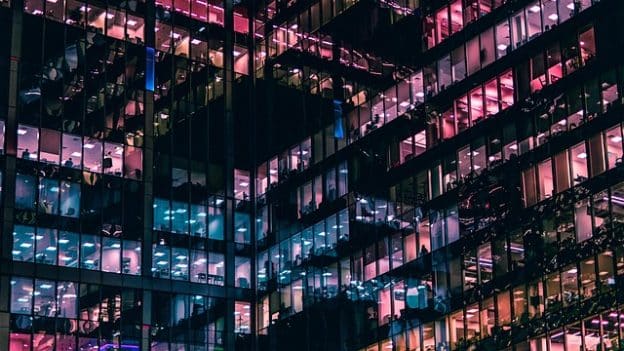
Let’s be honest—offices aren’t just about desks and chairs anymore. They’re ecosystems. They’re brand statements. They’re productivity machines (or at least they should be). Businesses today aren’t just looking for square footage. They’re hunting for spaces that work—literally and figuratively. And if you’re a property owner or developer trying to attract serious tenants, you’ve got to think beyond the basics. Because the modern office is evolving fast. And if your space isn’t keeping up, it’s falling behind.
Our blog dives deep into what makes a workspace tick. It’s not just about aesthetics—it’s about function, flexibility, and future-readiness. So let’s unpack what today’s businesses are really looking for when they scout for office space.
Location Still Reigns, But It’s Got Layers Now
Sure, location has always mattered. But now? It’s layered. It’s not just about being “central.” It’s about being connected. Offices near IT parks, financial hubs, or client-heavy zones get a leg up. Why? Because they reduce commute friction and boost brand credibility. A study from CBRE showed that 68% of businesses prioritize proximity to talent pools and client clusters when choosing office space.
But there’s more. Walkability matters. Access to cafes, gyms, and even daycare centers adds value. It’s not just about convenience—it’s about lifestyle. Offices in mixed-use developments or near buzzing commercial zones tend to attract more foot traffic and visibility. That’s free marketing, right there.
Infrastructure: The Backbone of Productivity
When it comes to attracting big corporations into commercial office buildings, investing in tech is a must. If the building lacks smart HVAC systems and supportive power backups, you’re falling behind in the game to attract clients.
No businesses nowadays can stand downtimes. Even one hour of business downtime in the IT industry can lead to thousands of dollars of loss incurred.
Modern infrastructure isn’t just about wires and routers. It’s about smart integration. Automated lighting, wireless presentation systems, and secure access control are now baseline expectations. And don’t forget the basics—clean lobbies, ergonomic furniture, and well-lit common areas. These aren’t luxuries. They’re necessities.
Property Management: The Silent Deal-Breaker
Imagine that you have a Ferrari to provide ride share services, but the car breaks down every ten kilometers. Why? You’re skipping on maintenance since it’s expensive. The analogy aside, having a high-quality property alone doesn’t attract clients. The property management has to be equally impressive.
Think of this like a well-oiled machine that returns smoother performance. Your clients don’t want to deal with a broken elevator or a poorly managed HVAC system.
Flexibility: The New Currency of Office Design
Commercial buildings nowadays scale with businesses that rent the space. Yes, you heard it right. Office spaces nowadays have movable walls, multi-purpose rooms, and modular furniture. It allows companies to adapt without relocating.
Having customizable and flexible building designs is a game-changer in today’s times. This is a game-changer for startups that are rapidly growing and mid-sized companies adopting different work models.
Open floor plans aren’t just trendy—they’re functional. They support collaboration, reduce silos, and make zoning easier. And when paired with quiet pods or breakout rooms, they strike the perfect balance between focus and flow.
Collaboration Zones: Where Ideas Actually Happen
Most good ideas don’t start in boardrooms. They happen in casual spaces—over coffee, in lounges, or during quick chats in open areas. That’s why shared amenities matter. Lounges, open meeting spots, and breakout zones aren’t just nice extras. They help people connect and work better.
Research backs this up. Steelcase found that employees in offices with collaborative spaces are 23% more likely to feel engaged. That’s a big deal for productivity. For small teams and startups, shared resources like printers, stocked pantries, and even gyms cut costs and keep morale high.
Smart Tech: Not Just for Show
Smart offices are more than trendy. They make work easier and more efficient. Think building management apps, IoT lighting, and temperature control systems. Even elevators are smarter now—destination control reduces wait times and saves energy.
It’s not just about convenience. Smart systems make offices adaptable, secure, and sustainable. They attract tech-savvy businesses and make remote collaboration smoother.
Aesthetic Appeal: Because First Impressions Stick
Design matters. Office interiors must have amenities designed to match the workplace’s energy. So, when employees enter the office, they instantly grab the idea. Suggestions? Well, a clean facade, warm and bright reception with well-planned interiors have a lot to say about a company’s work culture. So, right when someone enters the office, they know the energy and the aesthetic appeal of the office lifts their mood.
Businesses want spaces that match their brand—creative, bold, calm, or professional. Signage, digital displays, and street-level visibility aren’t just for looks. They help with branding and make a strong impression on clients and employees.
Forgetting the Roof? You Munsn’t
Here’s the thing. Even with state-of-the-art tech, using collaborative space for communication and teamwork, the office space can lose its appeal if the roofing isn’t well taken care of.
Locations with climate and weather conditions that often reach different extremes must prioritize efficient roofing for safety and longevity. For example, places such as Charlotte, North Carolina, experience hot summers, heavy rain, and occasional severe storms. Building owners here typically rely on roofing Charlotte NC agencies for roof maintenance and building endurance against those harsh times of the year.
Final Word: It’s All About Fit
At the end of the day, businesses aren’t just renting space. They’re investing in an environment. One that supports their people, reflects their brand, and scales with their growth. Office properties that tick these boxes aren’t just attractive—they’re indispensable.
So if you’re in the game—whether as a developer, broker, or business owner—make sure your space isn’t just modern. Make sure it’s meaningful.
