Picture a food processor finally hitting the growth stage where the current logistics setup, a patchwork of brokers and last-minute trucking arrangements, simply can’t keep pace anymore. Shipments are getting delayed, communication feels like a black box, and every quarter brings a new scramble to find capacity.
Choosing the right industrial logistics provider at this stage isn’t just a vendor decision, it’s genuinely operational infrastructure that either supports growth or quietly undermines it.
Why This Decision Carries More Weight Right Now
It helps to understand the real financial pressure the logistics industry is currently navigating. According to the Council of Supply Chain Management Professionals, whose annual State of Logistics Report has tracked U.S. freight costs since 1988, U.S. business logistics costs reached $2.6 trillion in 2025, representing 8.7% of the national GDP, and the report identifies persistent structural pressures, including tightening financial conditions, labor constraints, and energy price volatility, that show no signs of resolving soon.
That backdrop matters because it confirms logistics costs and reliability genuinely affect the broader economy, not just individual shippers. Choosing a provider capable of navigating this kind of sustained pressure, rather than one that simply looks competitive on price today, matters considerably more than it might have a decade ago, when capacity was generally easier to find and cost volatility was less of a defining feature of the industry.
Start With Actual Capability, Not Just a Service List
Many providers list an impressive range of services on their website, but it helps to look past the list itself and ask what’s actually being run in-house versus subcontracted out. A handful of specific questions clarify this:
- Does the provider operate its own trucks and equipment, or broker out most shipments to third parties?
- How much warehouse capacity do they genuinely control, and where is it located relative to your actual shipping lanes?
- Do they have direct rail access or other specialized infrastructure relevant to your specific commodity?
- What’s their actual fleet diversity, and does it match the specific equipment your freight requires?
Getting clear, specific answers to these four questions upfront reveals a lot about whether a provider is genuinely equipped to handle your freight or simply presenting a broad service list that masks a narrower actual capability.
Why Direct Communication Matters More Than It Seems
This is often what separates a logistics provider that becomes a genuine operational partner from one that simply becomes another vendor to manage. When every question has to pass through a call center or multiple account representatives, resolving issues can become unnecessarily difficult, especially when a shipment is delayed, a pickup is missed, or capacity suddenly becomes tight. That added friction matters most when a quick response is needed.
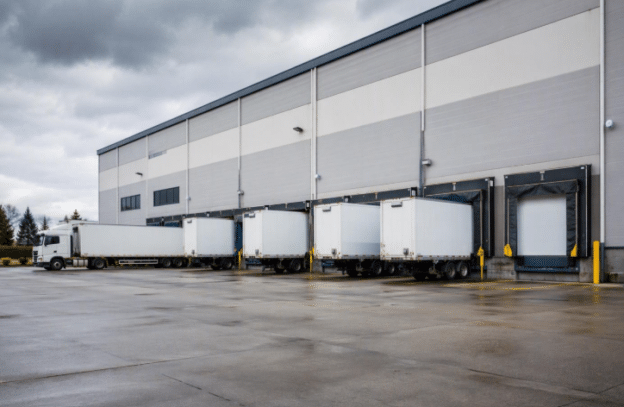
An established regional provider like Linn West Inc. offers the kind of direct, accountable relationship that can make a difference. With its own trucks and more than a million square feet of warehouse space near I-5 and Highway 34, it gives shippers a direct point of contact from quote through delivery. This structure can make it easier to get clear answers and resolve problems quickly when timing matters.
Evaluating Infrastructure and Physical Capacity
Beyond the sales conversation, it’s worth genuinely evaluating a provider’s physical infrastructure against your actual needs. A handful of specific factors deserve real attention:
- Warehouse capacity and location, since space that’s technically available but poorly positioned relative to your shipping lanes adds real cost and time
- Rail or intermodal access, particularly relevant for bulk commodities or high-volume shippers where trucking alone becomes considerably more expensive
- Equipment diversity, since a provider limited to one trailer type may struggle to handle a genuinely varied freight profile
- In-house maintenance capability, since a provider that maintains its own fleet tends to recover from breakdowns considerably faster than one relying entirely on outside repair services
Weighing these four factors together, rather than focusing on price alone, gives a considerably clearer picture of whether a provider’s infrastructure genuinely matches what your freight actually requires.
Asking About Reliability Under Pressure
Anyone can quote a price and promise reliable service during a sales conversation. What actually matters is how a provider performs when conditions genuinely get difficult, a sudden volume spike, a weather delay, a capacity crunch during peak season. Asking directly about how a provider handled a recent disruption and listening carefully to whether the answer sounds specific and honest versus vague and reassuring, tends to reveal considerably more than a polished sales pitch ever will. A provider willing to describe an actual recent problem and how they solved it is generally telling you a lot more than one who insists nothing ever goes wrong.
Why Regional Expertise Genuinely Matters
A logistics provider deeply familiar with a specific region’s infrastructure, seasonal patterns, and industry mix often navigates that territory more efficiently than a larger, more generalized national provider spread thin across unfamiliar lanes.
A provider serving agricultural producers, food processors, and manufacturers across a specific corridor for decades has typically encountered most of the regional quirks, seasonal harvest surges, specific port or rail bottlenecks, that a newer or more distant provider would need to learn the hard way, often at a shipper’s expense while that learning curve plays out in real time.
Red Flags Worth Watching For
A handful of warning signs suggest a provider may not hold up under real operational pressure:
- Vague or evasive answers about actual fleet size, warehouse capacity, or ownership versus brokered capacity
- Communication that consistently routes through call centers rather than a dedicated, reachable contact
- Pricing that seems significantly below market rate without a clear explanation of how that’s genuinely sustainable
- Limited transparency about how delays or disruptions actually get communicated once a shipment is already in motion
Spotting even one or two of these patterns during the evaluation process is usually worth taking seriously, since they tend to compound into genuine operational headaches once an actual shipment runs into trouble.
Conclusion
Evaluating an industrial logistics provider means looking beyond the sales pitch and assessing its actual capabilities, infrastructure, communication, and reliability under pressure. Regional expertise, clear accountability, and resources that match your freight requirements can all make a meaningful difference to day-to-day operations.
Taking the time to assess these factors before choosing a provider can help businesses avoid costly disruptions and build a logistics partnership that continues to support their needs as operations grow.