
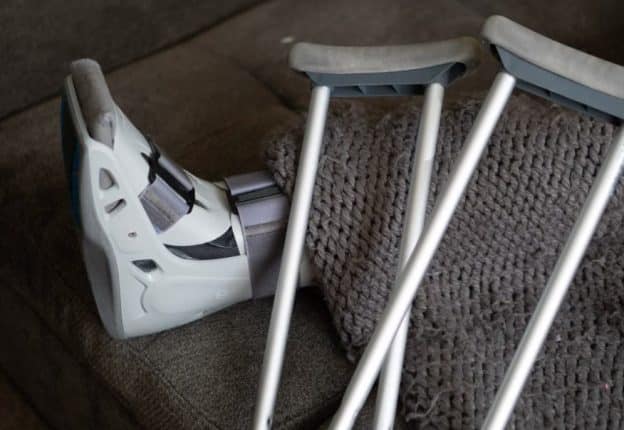
A slip. A fall. A wrenched back on a warehouse floor.
It starts off as what seems to be a small accident. The employee is bandaged up and sent on their way. Only to find out months later that said “small” accident has turned into debilitating pain, treatments, and medical bills nobody anticipated.
Here’s the problem:
Routine workplace accidents can develop into chronic health problems. Employers hate when this happens. The impact is often more far-reaching than employers understand. There can be a lawsuit for negligence. Premiums can rise. Company culture can suffer.
The silver lining? Once you know how these situations unfold, you can nip them in the bud.
In this guide, you’ll find:
- Why Long-Term Workplace Injuries Are Rising
- The True Cost Of Chronic Workplace Injuries
- Common Injuries That Become Long-Term Health Problems
- How A Negligence Lawsuit Actually Happens
- What Employers Can Do To Reduce Risk
Why Long-Term Workplace Injuries Are Rising
A workplace injury is far from a “moment in time” occurrence. Many last years — even a lifetime.
Statistically speaking, employers documented 2.5 million nonfatal workplace injuries and illnesses in private industry back in 2024. The most revealing stat? Those injuries and illnesses caused over half a million days-away-from-work cases that year.
Workers injuries that result in long-term conditions open the door to more than a workers’ comp claim for employers. In serious cases, injured workers file a negligence claim — often times when negligent conditions or lack of safety procedures contributed to the injury. This is where legal counsel, like a trusted Dallas personal injury law firm, steps in to help the injured worker.
Employers who don’t take these risks seriously end up paying for it later.
The True Cost Of Chronic Workplace Injuries
Let’s talk numbers. Because the financial hit is bigger than most people think.
The National Safety Council estimates the total cost of work injuries in 2024 was $181.4 billion. These costs included wage losses, medical expenses and admin costs.
Here’s another kicker…
The average price tag per medically consulted injury in 2024 was $48,000. Keep in mind that’s just the average. Injuries that result in chronic pain, surgeries or permanent disability can run significantly higher.
But direct costs are only half the story. Employers also deal with:
- Higher insurance premiums — one serious claim can affect rates for years
- Lost productivity — covering shifts, retraining, and slowed operations
- Reputational damage — word travels fast in tight-knit industries
- Legal fees — from investigations to full court proceedings
- Lower morale — employees notice when co-workers get hurt and nothing changes
Multiply those across an entire workforce and you can see how chronic injuries can financially destroy small and mid-sized businesses.
Common Injuries That Become Long-Term Health Problems
Some workplace injuries do not become chronic. However, there are types of injuries that are more likely to become chronic.
The most common ones include:
- Musculoskeletal disorders — from repetitive lifting, twisting, or awkward postures
- Back and spine injuries — common causes include falls, lifting heavy objects, and vehicle crashes that occur while on the job
- Head injuries and concussions — which can lead to lasting cognitive issues
- Repetitive strain injuries — carpal tunnel, tendonitis, and similar conditions
- Respiratory illnesses — from long-term exposure to fumes, dust, or chemicals
- Hearing loss — especially in construction, manufacturing, and industrial settings
The challenge? Symptoms often develop over time. A worker may tough it out for several weeks. Then, suddenly he or she is making appointments with specialists and missing work frequently months later.
That’s why employers are often surprised. By then it’s too late and prices have already increased.
How A Negligence Lawsuit Actually Happens
Filing a workers’ comp claim will normally prevent you from filing a lawsuit. However, if the employer’s negligence caused or aggravated the injury, workers can file a negligence claim.
Common reasons this happens:
- Safety equipment was missing or broken
- Training was skipped or rushed
- Known hazards were ignored
- Machinery wasn’t maintained properly
- Warnings from employees were brushed off
A negligence claim is not a workers’ comp claim. The issue is whether the employer breached their duty of care — and that the breach caused injury.
At stake in long-term injuries can be even greater. Compensation can cover lifetime medical expenses, lost future income, pain and suffering. All of these can reach into the high seven figures in severe cases.
Here’s the thing:
One lawsuit can exhaust resources, harm your reputation and undermine investor confidence. An ounce of prevention is worth a pound of defense.
What Employers Can Do To Reduce Risk
Sure, there are risks. But employers can take lots of proactive steps. And most of it just requires developing some simple habits.
Invest In Ongoing Safety Training
Don’t just conduct onboarding sessions once. Schedule periodic reminders on lifting properly, using equipment, and reporting hazards.
Workers who feel prepared are much less likely to become injured. Additionally, trained workers identify problems sooner, before they turn into injuries.
Document Everything
Every incident, near-miss, and hazard report should be logged. Detailed documentation:
- Shows compliance with safety standards
- Helps identify patterns before injuries occur
- Protects the business if a claim ever surfaces
Dodging paperwork is one of the quickest ways to guarantee yourself to lose a negligence suit.
Encourage Early Reporting
Most long-term problems begin as something small. A hurting back. A numb wrist. Employees don’t want to complain.
Create a culture where reporting small aches and pains won’t get you mocked or reprimanded. Seek treatment early. It can prevent serious injury.
Maintain Equipment And Facilities
Outdated equipment, frayed cords and blocked aisles lead to more accidents than many realise. Frequent inspections and quick repairs are inexpensive protection against large claims.
Provide Access To Medical Care
Quick access to trained medical care can ensure injuries heal correctly the first time around. Avoiding delays and misdiagnoses can prevent minor injuries from becoming chronic.
Final Thoughts
Workplace accidents aren’t just injuries — they can alter lives. What begins as a small mishap Tuesday afternoon could turn into a long-term ailment, lawsuit or expensive payout in the future.
Employers, take note: an ounce of prevention is worth a pound of cure. Training, early reporting, proper documentation and dependable equipment are nowhere near as expensive as a negligence suit or lifetime injury claim.
Businesses that survive and succeed in the long-term take safety seriously each and every day. Not only when something goes wrong.
Because by then, it’s usually too late.
