
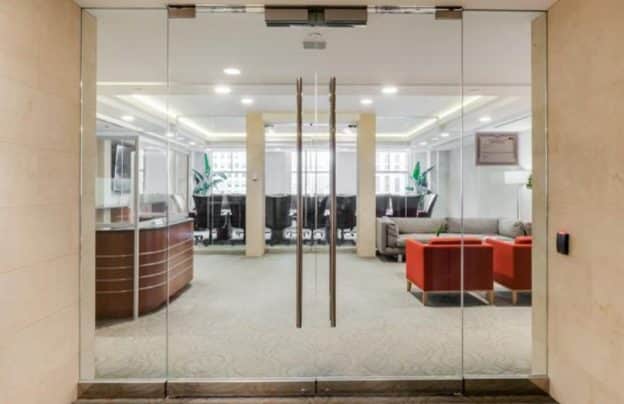
The way a workspace is designed has a direct impact on how people think, work, and perform. It’s not just about aesthetics or fitting desks into a room. It’s about creating an environment that reduces friction, supports concentration, and allows individuals to sustain high levels of productivity over time.
A well-designed workspace doesn’t demand more effort from the person using it. Instead, it quietly removes obstacles so focus and flow can happen naturally.
Here’s how to build a workspace that genuinely supports performance.
Start With Cognitive Load, Not Just Layout
Many workspace decisions are made based on appearance or space efficiency. However, the most important factor is cognitive load, the amount of mental effort required to function in that environment.
Cluttered desks, noisy surroundings, and poorly organized tools all increase cognitive strain. This makes it harder to focus, switch between tasks, and maintain momentum.
To reduce cognitive load:
- Keep only essential items within reach
- Create clear zones for different tasks
- Minimize visual distractions
- Use storage solutions that make organization effortless
The goal is to make the workspace feel intuitive, so your attention stays on the work rather than the environment.
Design for Deep Work, Not Just Activity
There is a difference between being busy and being productive. A workspace should support deep work, the kind of focused, uninterrupted effort that leads to meaningful progress.
This requires intentional design choices:
- Position your desk away from high-traffic areas
- Use noise control measures where possible
- Limit interruptions by setting clear boundaries
- Align your workspace with your most demanding tasks
Even small changes, such as adjusting lighting or desk orientation, can significantly improve concentration.
Build From the Ground Up With the Right Materials
One of the most overlooked aspects of workspace performance is the structure itself. The materials used in walls, floors, and surrounding elements influence acoustics, temperature regulation, and even how “grounded” a space feels.
Clay brick, for example, is known for its durability, thermal mass, and natural sound-dampening qualities. These characteristics help create a more stable, comfortable environment that supports sustained focus.
Working with experienced clay brick specialists such as EBM ensures that the foundations of your workspace are designed with both performance and longevity in mind. When the structure supports the user, everything else becomes easier.
Invest in the Tools That Reduce Friction
A common mistake is underestimating how much tools influence performance. When equipment is unreliable, uncomfortable, or inefficient, it creates constant low-level friction.
Over time, this adds up.
Reliable office essentials and well-chosen equipment can streamline workflows and remove unnecessary interruptions.
Think beyond basics. Consider:
- Ergonomic chairs and desks
- High-quality stationery and organizational tools
- Efficient storage systems
- Technology that supports your workflow
The right tools don’t just make work easier. They make sustained focus possible.
Prioritize Ergonomics for Long-Term Performance
Comfort isn’t a luxury in a workspace. It’s a performance factor.
Poor ergonomics lead to fatigue, discomfort, and even long-term health issues. When the body is under strain, the mind follows.
Key ergonomic principles include:
- Keeping your screen at eye level
- Ensuring your chair supports your posture
- Positioning your keyboard and mouse to reduce strain
- Allowing enough space to move comfortably
When your physical environment supports your body, it becomes easier to maintain energy and focus throughout the day.
Use Lighting to Influence Energy and Attention
Lighting is often overlooked, yet it plays a crucial role in productivity.
Natural light is ideal, as it helps regulate energy levels and improves mood. If natural light is limited, layered lighting can make a significant difference.
Consider:
- Task lighting for focused work
- Ambient lighting to reduce eye strain
- Avoiding harsh or overly dim conditions
The aim is to create a balanced environment where your eyes remain comfortable and alert.
Create Visual Calm Without Losing Personality
A workspace should feel calm, but not sterile.
Too much visual stimulation can be distracting, while a completely blank environment can feel uninspiring. The balance lies in intentional design.
You can achieve this by:
- Using a consistent color palette
- Adding a few meaningful personal items
- Incorporating plants or natural elements
Keeping surfaces clean and organized
The result is a space that feels both focused and motivating.
The Real Value of a High-Performance Workspace
A well-designed workspace doesn’t just improve productivity. It reduces stress, enhances clarity, and supports long-term consistency.
When your environment works with you rather than against you, focus becomes easier, flow becomes more frequent, and performance becomes more sustainable.
Building that kind of workspace isn’t about perfection. It’s about intention, making deliberate choices, from structural materials to everyday tools, that support how you think, work, and perform every day.
