
Every company says culture matters, but culture is not built in the mission statement. It is built in the small moments when an employee feels genuinely seen for good work. Those moments are easy to talk about and surprisingly easy to skip.
The companies that get culture right tend to make recognition tangible. That is why many now mark milestones with Challenge Coins 4 Less custom coins that their people keep on the desk for years. This guide looks at where coins fit and why a physical token outperforms another email.
Why Does Company Culture Need Physical Symbols?
Because people remember objects far better than announcements. A digital shout-out is gone by lunchtime, but a coin on a desk is a daily reminder of why it was earned.
Recognition is not soft spending; it is a performance investment. Gallup has tied strong recognition to higher engagement and lower turnover, and engaged teams consistently outproduce disengaged ones. The return shows up in retention long before it shows up anywhere else.
Physical symbols also create belonging. A shared token tells every member of a team that they are part of something specific, not just a name on an org chart. That sense of membership is the quiet glue of any strong culture.
The cost of skipping it is real. Replacing one employee can cost anywhere from 50% to 200% of their salary, often tens of thousands of dollars, while a meaningful recognition program costs a fraction of that. Culture is cheaper to build than to rebuild.
Where Do Custom Coins Fit In a Business?
In more places than most leaders expect, once they start looking. A coin works wherever a moment deserves to be marked:
- Work anniversaries. A coin for one, five, or ten years beats another generic card.
- Onboarding. Handing a new hire a coin on day one immediately signals belonging.
- Sales and project wins. A tangible reward for hitting a target lands harder than a line in a report.
- Service awards. Recognizing reliability and tenure keeps steady performers feeling valued.
- Company events. A commemorative coin turns a retreat or anniversary into something people keep.
Each of these is a moment that would otherwise pass with a quick word, if that. The same attention that goes into running an office belongs to the people who fill it. A coin makes the gesture permanent.
The point is to be deliberate. SHRM’s guidance on managing recognition programs is a useful framework for turning scattered thank-yous into a real system.
What Makes a Coin Beat a Certificate or Email?
Weight and permanence. A certificate ends up in a drawer and an email ends up archived, but a coin sits out where people see it. The format itself signals that this mattered.
A coin also carries story. Born in the military as a mark of shared service, the challenge coin has crossed into business precisely because it implies you earned your place. That history gives even a corporate coin a sense of gravity.
Then there is the physical quality. A well-made coin feels substantial in the hand, and that tactile heft does emotional work a flat award never can. People keep what feels valuable.
A well-made recognition coin does several jobs at once:
- It marks a specific achievement that might otherwise go unsaid.
- It sits in view, reminding the owner and their peers every day.
- It signals membership in a team worth belonging to.
- It outlasts the project, the quarter, and often the job itself.
For an in-person team, that shared object reinforces the culture every day. Investing in a workplace people enjoy and investing in recognition pull in the same direction. Both say the company pays attention to how work feels, not just what gets done.
How Do You Design a Coin Worth Keeping?
With as much care as any other piece of the brand. A rushed coin becomes clutter, while a considered one becomes a keepsake. The table below covers what to get right.
| Element | Why It Matters |
| Artwork | A clean, on-brand design is what makes it worth displaying |
| Wording | A short phrase or value gives the coin real meaning |
| Finish | Plating and enamel decide whether it feels premium |
| Shape | A custom outline sets it apart from a plain round coin |
| Occasion | What it marks is what gives it lasting weight |
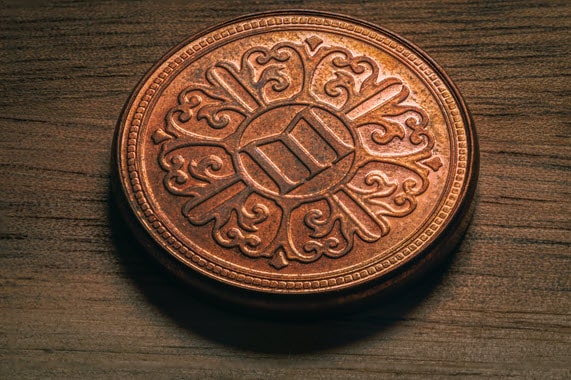
None of this is costly, but it is the difference between a treasured item and a forgotten one. A coin tied to a clear achievement and a quality finish earns its place on the desk. Skip the meaning, and you are just handing out metal.
What to Get Right Before You Order
- Treat employee recognition as an investment in retention, not an expense.
- Tie every coin to a specific, earned moment, never a vague gesture.
- Hand coins out publicly so the whole team sees the recognition.
- Invest in a quality finish, since cheap-feeling coins get discarded.
- Build a repeatable program rather than relying on one-off gestures.
Where Culture Actually Lives
Company culture is not a poster in the break room; it is the sum of how valued people feel doing their work. A custom coin is a small, concrete way to make that value visible and lasting. It costs little, it travels across the whole team, and it turns a fleeting thank-you into something an employee keeps for years. Mark the moments that matter, and the culture takes care of itself.
Frequently Asked Questions
Are Custom Coins a Good Employee Recognition Idea?
Yes, because they are durable, personal, and carry a sense of belonging that disposable swag lacks. A coin sits on a desk as a lasting reminder of an achievement. That permanence is exactly why so many companies use them for milestones and awards.
How Do Custom Coins Help Company Culture?
They make recognition tangible and visible, which reinforces the behaviors a company wants to celebrate. A shared coin also builds a sense of belonging across a team. Over time, consistent recognition is strongly linked to higher engagement and retention.
What Occasions Suit a Custom Company Coin?
Work anniversaries, onboarding, sales or project wins, service awards, and company events all fit naturally. The key is tying the coin to a specific, earned moment. That connection is what gives the coin its meaning and staying power.
Are Recognition Coins Worth the Cost?
For most companies, yes. The expense is small next to the cost of turnover, and recognition is consistently linked to stronger retention. A well-designed coin delivers a lasting return for a modest, one-time outlay.